The Two-Way Street: When Respiratory Viruses Meet Chronic Illness
Tune in to this extraordinary conversation exploring the important interplay between respiratory viruses and non-communicable diseases like diabetes, obesity, and cardiovascular disease. Why do people with chronic conditions face higher risks from infections? Could there be such a thing as "long-flu"? What are the long-term effects of viral infections? And why are viruses so tricky?
Join our three leading scientists as they unpack the bidirectional connection, clarify this unique opportunity to leverage awareness and the fundamental importance of joining forces across disciplines: Marco Goeijenbier (ESWI Board Member, intensivist at Spaarne Gasthuis and Senior Scientist at Erasmus MC), Tor Biering-Sørensen (cardiologist and Founding Head of the Center for Translational Cardiology in Copenhagen), and Kirsty Short (NHMRC research fellow, University of Queensland).

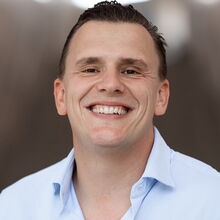

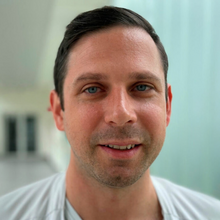

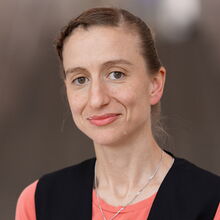
They will explain this pivotal moment to rethink disease prevention, reveal insights from the groundbreaking giga DANFLU trial, and show how the Interdisciplinary Disease Collaboration on Respiratory Infections and NCDs (IDC) is connecting the dots from lab bench to hospital bedside.
ESWI Secretariat : 0:01
Welcome to ESWI Airborne and our special episode on the Interdisciplinary Disease Collaboration on Respiratory Infections and Noncommunicable Diseases, otherwise known as the IDC. It explores the bidirectional interplay between respiratory viruses and chronic illnesses. This podcast is made possible thanks to the kind support of Sanofi Pasteur and IFPMA, the International Federation of Pharmaceutical Manufacturers and Association.
Jane Barratt (Host): 0:54
Welcome to ESWI Airborne the podcast of the European Scientific Working Group on Influenza. I'm Jane Barrett and it's a pleasure to host today's conversation. Today we turn our attention to the Interdisciplinary Disease Collaboration on Respiratory Infections and NCDs, known as the IDC. What began in 2017 as the influenza diabetes community has grown into a broad collaboration connecting scientific societies, patient organisations, clinicians, ministries, researchers, and industry partners. The IDC brings together nearly 25 organisations with one single purpose to protect people living with chronic conditions from the serious risks of respiratory virus infections. This is indeed a pivotal moment for the IDC. We now have a clearer, mechanistic and clinical evidence moving from long-standing observational links to a deeper understanding of causality. This shift is reshaping how we think about prevention and risk. Let me introduce our guests. Dr. Marco Goeijenbier is an intensivist at Spaarne Hospital and a senior scientist at Erasmus MC. His work spans acute care, infectious diseases, and the intersection of viral infections with coagulation and severe respiratory illness. He has been a part of ESWI since 2016 and now serves as IDC co-chair. Second, Dr. Tor Biering- Sørensen is a cardiologist and the founding head of the Center for Translational Cardiology and Pragmatic Randomised Trials in Copenhagen. His research group leads world-class work on cardiovascular imaging, heart failure, infection-related cardiac outcomes, and large-scale pragmatic trials. Tor joined Marco as IDC co-chair in 2025. Welcome, gentlemen. It's good to have you with us today.
Marco Goeijenbier: 3:13
Thank you very much, Jane.
Tor Biering- Sørensen: 3:14
Thank you so much for having us.
Jane Barratt (Host): 3:16
Marco, the IDC began as an influenza diabetes community in 2017, and it's now this incredibly interdisciplinary collaboration spanning infectious diseases, etc. What's the history of this organisation and what are the scientific and clinical and societal forces that made this so necessary today?
Marco Goeijenbier: 3:42
Yeah, well, Jane, that's actually quite a long story. I think we have about half an hour here, but no, I'll try to be brief. So we started this influenza diabetes community simply because there was a strong association between severe respiratory infection or severe influenza for persons living with diabetes. And that evidence mainly came from from observational studies and we really wanted to add justice there to this link. So we started this influenza diabetes community really working from beds to bed side, so a translational approach with both core scientists, clinicians, but also patient representatives, nurses, alliances, and so on, all with the goal to actually increase vaccine coverage within this specific risk group. And while we did quite some interesting projects there, what we actually also saw is that there's just as much evidence in other non-communicable diseases, other risk factors, where we could also actually learn from. So the switch was slowly made to broaden our vision. And actually it was at the last ESWI in Valencia, we sat together with the whole board and the whole IDC to see how we can actually increase the reach of IDC and increase our scope towards a broader view. Also, because more lately, and especially since the pandemic, there's indeed more and more evidence showing a better understanding of why these specific groups have an increased risk of a severe cause of disease, but also the other way around. It's a bi-directional relationship, also the effect these infections could have on your underlying chronic condition. I think some of the work that actually helps us really showing the evidence that certain risk groups really have an advantage at being vaccinated comes from the group of Tor of all the great work Tor is currently doing.
Jane Barratt (Host): 5:45
Well, that then leads into Tor. Tor, you and I have been at several different meetings together, and it's quite interesting, you know, your discipline sitting in a meeting in gerontology, for example, and geriatrics. So, what's so important about bringing disciplines together right at this moment in time?
Tor Biering- Sørensen: 6:05
I think, Marco scoped it quite well. the knowledge about this interplay between all of these many diseases and how they both increase the risk of getting severe infections and also the other way around, right? How infections cause many of these diseases or make these diseases more severe. And I think over the last couple of decades, this has become more and more obvious. The COVID pandemic, of course, also got all disciplines to research an infectious disease, which also made the attention to this association between infections and other diseases much more clear and pushed all specialities into doing research on their own patients and infections. So I think now we have a unique opportunity to leverage that big interest which the pandemic unfortunately created for all of these specialities to get awareness about the importance of preventing infections now to broaden the scope and tell our own specialty groups that this is actually something that we and Marco's team in ESWI has been promoting and telling everyone for years what downstream risks actually come. So I think we have a unique opportunity now to spread the word, spread the importance of vaccinations, spread the importance of preventing infections, both within each of our high-risk groups that we have in many of these specialities, regardless whether you're a cardiologist, a gastroenterologist, a diabetologist, to prevent them from getting severe infections, because we know they are increased risk in these high-risk groups, but also to underscore the importance of preventing infections for these out downstream events that we see are much more prevalent if you get a severe infection. So leveraging this awareness is extremely important to increase vaccine uptake and to increase the prevention of these infections.
Marco Goeijenbier: 8:29
I think you really tell an important message there, Tor. Of course, during the pandemic, everybody became a virologist, which makes it really easy to work in virology afterwards. But I think that the biggest thing there, what you mentioned, is actually that that all the medical specialties now see what a severe respiratory virus infection effect can have on their patient groups, either if it's cardiovascular or neurological or endocrinology and so on.
Jane Barratt (Host): 8:59
I just wanted to dig a little bit deeper because we know now that respiratory viruses don't operate in isolation, do they? And we are really talking about influenza and COVID and RSV and the intersection with diabetes and cardiovascular conditions and other conditions. You know, Tor, I want to just hear a little bit more about, you know, the pragmatic randomized trials that you've been undertaking. And, you know, try and understand what you have been doing with your team in unpacking this intersection between respiratory conditions and NCDs.
Tor Biering- Sørensen: 9:40
Yeah, it's been quite an adventure the last couple of years because we have tried to do, as Marco mentioned in the introduction, a lot of the information that we have putting these links together, you know, the increased risk of from my topic, cardiovascular diseases, the increased risk of of cardiovascular events when you have an infection, they are mainly coming from observational data, right? And we know that that observational data is great, but we can't really be certain about the estimates that we assess in many of these because there are you know still residual confounding. It depends on which methods you use. And we can probably only be as certain as we can for a causal relationship if we see similar trends in randomised control trials. And we in Denmark, as in many other countries, have our nationwide registries, and what we set forth to do five years ago was to try to use our nationwide registries to collect all the data, just as we use it when we do observational data in Denmark, but try to implement a prospective randomised control experiments. So, for example, our Dan flu trial, we prospectively individually randomised all Danish citizens that were willing to participate to receive one of two flu vaccines, either high dose or standard dose flu vaccine. And then we followed them through the registries to see whether there was any differences, you know, leveraging the same registries as we use for our observation data. But here we have just embedded this prospective randomisation. So the differences that we see between our two groups, we are certain that it's causally linked to what we've randomised the population to, right? And we were successful in Danflu, for example, to randomise 332 Danish citizens. And therefore, the differences that we see in cardiovascular events can only be caused by one group receiving a high dose flu vaccine that we know is more potent, that we know prevents superiorly against the standard dose flu vaccines. And therefore, using these registry to do these giga vaccine trials, we can really get a more certain estimate of what preventing infections potentially also leads to in downstream events. And there, for example, we have seen that heart failure hospitalisation within the Dan Flu trial, we saw that heart failure hospitalisation, risk of heart failure hospitalisation was lowered with 20% in those who were randomised to the high dose flu vaccine versus the standard dose flu vaccine, giving us a causal insight into preventing flu may also lead to preventing heart failure. And I think you know even the subgroups within these giga trials are larger than the largest randomised control evidence that has been conducted within, let's say, diabetes. We had 40,000 individuals with diabetes in Danflu. You know, a vaccine trial of that magnitude within diabetes has never been conducted and will never be conducted before, right? So even the subgroups of these many diseases are larger than the largest randomized evidence that we have until now. So we can really leverage this these giga trials to assess the topic that we're discussing here today, these downstream events and also how these subgroups have higher risk of infections. And we see, as we also knew from the observation data, that if you have diabetes, if you have cardiovascular disease, your risk of getting infections is much higher than if you don't have, underscoring the fact that we really need to get these high-risk populations vaccinated and protected against infections. And we also see what we learned from the observation data that these downstream events become deteriorated if you get an infection, and you can see the novel cardiovascular disease in patients or in participants or just in citizens who don't have a cardiovascular disease if they get infection. So I think they give us additional insights to what we already knew from our observational data, and just add how big is the magnitude of potential prevention if we potentially prevent infections.
Jane Barratt (Host): 14:52
You know, it's an extraordinary set of studies, and I could see Marco nodding. The downstream effects that I'm seeing is the public health power, the economic return on investment for these kinds of studies, which is absolutely extraordinary. So thank you, for explaining that so well. I'd just like to also introduce Dr. Kirsty Short. She's an MH and NH and MRC Research Fellow and head of the Viral Pathogenesis Lab at the School of Chemistry and Molecular Biosciences at the University of Queensland. She leads the Viral Pathogenesis Laboratory, and her research focuses on how chronic metabolic conditions such as diabetes and obesity shape the severity of influenza and SARS-CoV-2, as well as on emerging viruses and pandemic preparedness. It's good to have you with us, Kirsty.
Kirsty Short: 15:51
Thank you.
Jane Barratt (Host): 15:53
I just wanted to touch on just very briefly, you know, we're talking about this collision of infections and chronic disease. And just wondering your thoughts about what's the biggest misconceptions that are continuing to hold back progress in this whole field of study?
Kirsty Short: 16:16
I think there's a few things. And some of this is changing. So when I first got into this field and looking at the role of diabetes in susceptibility to viral infections, I would talk to endocrinologists, and endocrinologists would say, Well, yes, you know, this is a problem, but people living with diabetes have so many other things to deal with. This is just really low on the low priority list. And I think that actually changed with COVID because I think we realised actually that this susceptibility factor has real-world implications, and especially in the context of a pandemic. So I think that's one of the things that we've seen the field shift. I think the other thing that we're really now seeing a shift in the field is the bidirectional nature of these interactions, whereby we know that diabetes and obesity increases the risk of severe COVID, severe flu. But now we're appreciating, and especially with the field of long COVID, that actually things like SARS-CoV-2 can actually trigger the onset of diabetes. And so I think it's really this bi-directional relationship that we're only just starting to appreciate.
Marco Goeijenbier: 17:32
Yeah, to respond to that, Kirsty, I think you're you're absolutely right. And the pandemic helped there a bit. We also discussed it earlier with Tor. But already now, I mean, we're even not that far away from the pandemic yet, but already the focus is already losing a bit from the sub-specialties, that they don't have a lot of time, and their patient group, they have a lot of problems talking about persons living with diabetes or cancer or any on, and you only have much time to talk to your patient. And while the pandemic helped for a bit, I think already now the interest is already moving a bit towards the back.
Jane Barratt (Host): 18:10
And that's why IDC is so important, you know, because you've got 25 organisations coming together across sectors and across disciplines. So, Marco, I'm interested to understand how we can translate these ambitions into measurable change in the next two or three years. That's a big lift for a relatively small organisation. What are your thoughts about that?
Marco Goeijenbier: 18:37
it's starting with things like this, like this podcast, and combining the great work Thor is doing with his gigantic trials, and on the same end, the work Kirsty's already been doing for 10, 15 years, where she really combines the in vitro with in vivo data. So really both using the lab and clinical samples to prove this bidirectional relationship. And while indeed showing that specific patient group have a higher chance of a more severe course of infection, I think the other way around, the other part of the medal, the bidirectional one, is the one we should focus on now because I think that could use lots more of attention. Well, for instance, the cardiologist did a great job, past couple of years. I think there have been quite some big cardio conferences that really focused on flu or on vaccination as a role of prevention. We should really see this collaborative effort of the IDC to combine our knowledge, but also to look into to success stories and really really tell this story about the IDC and how to increase prevention.
Jane Barratt (Host): 19:48
Yeah, it's a very ambitious program. Bringing different organisations, to the table with a common agenda. S o I'm interested in, and we say it all the time, how do you break the silos? You know, what's your techniques in actually getting everybody to the table and being able to have a common agenda? Because that's what we need. That's you know, somewhat of what happened in the pandemic, but that's what we need IDC to do. So Tor, you were nodding when I said that. So do you have any thoughts about how to bring these organisations to the table?
Tor Biering- Sørensen: 20:31
I think it's always hard to break down, silos. And we unfortunately as specialists, Marco and I, work in different specialities. But and it's always you know hard to get you know cardiologists, diabetologists, intensive care physicians to work on the same team because we care so much about our own organs and our own specialities, right? But I think spreading the word and again as we discussed earlier and as Kirsty also mentioned, we really have this unique opportunity because of the pandemic, because there all specialities came to the table and viewed one infection as a very important case for all specialities. In Denmark, all specialities did research in COVID in that period and all around the world we could see that regardless which kind of specialty you came from, the publications on COVID increased exponentially, of course. But Mark was also right that we only have this very short time span after the pandemic to keep this interest because I can also see that it's decreasing and it's decreasing at a quite high pace. I can also see it in the vaccine uptake rates in Denmark that are also now decreasing after the pandemic. I think the we really need to leverage this time uh point we have now and to spread the word. And I think this initiative, of course, and also you know, the more that we as researchers, all of us are academics and researchers, can spread the word within the different specialties and hopefully increase the awareness by symposia, by you know, making sure that we are present scientifically and academically at as many meetings as possible. Me, myself, we are, you know, all my fellows are cardiologists, but we for the first time now are submitting, you know, abstracts to thetherapeutic meeting, to the diabetes meeting, to the... because when we do research within infections and how they affect these other specialities, as mentioned, the subgroups within these, you know, these trials that we do are larger and provides the largest randomized evidence. So, you know, we academically should also do whatever we can to keep on providing science, doing research that spans broadly and not only within our own specialty. And I know that Marco, Kirsty, and I do whatever we can also, you know, to back up this with hardcore science. but it is a hard job, Jane, and I agree completely that I probably haven't come up with the answer. I don't know whether Marco or Kirsty have better answers to figure out how to break down these silos.
Jane Barratt (Host): 24:01
What you've demonstrated, Tor in your words and in practice, as has Marco and Kirsty, is that your leadership, you know, you are reaching out across disciplines and sectors to bring people to the table because you have that, small window of opportunity. Kirsty, looking ahead to 2026 and beyond, I'd be very interested in your thoughts about what are the most urgent scientific and clinical questions the IDC must confront next.
Kirsty Short: 24:31
I think there's a lot, and that's one of the reasons it's great to have the IDC. I think top of my list is really looking at how these acute viruses cause long-term complications, and in particular, long-term complications like metabolic disease, because I think we've only just scratched the surface of that when we talk about long COVID. But of course, we know that other viruses can have these long-term effects as well. There's actually very good evidence from past flu pandemics of long flu. So, what's flu doing? Is flu having implications on metabolic disease like what we've seen with COVID? Is that more prevalent in some individuals? Why is obesity in itself a risk factor for these long-term complications? There's all these sorts of questions that I think we need to answer. And these long-term complications of viral infections and the implication for non-communicable disease, I think is really, really important because when you look at most countries' pandemic preparedness plans and their plans for COVID, everything was focused on the acute disease. Minimise the severity of the acute disease. And that's of course very, very important. But what we know now is it's not just about the acute disease, it's also about the long-term consequences of the disease. So I think if we can really work very hard to sort of nut this out, this is something that could ultimately get integrated into pandemic preparedness planning such that when the next pandemic comes, we are preparing our healthcare system not just for the acute disease, but also the rise in non-communicable diseases as a result of the viral infection.
Jane Barratt (Host): 26:20
As we start wrapping up this podcast, I want to come to each of you and ask you for your closing statement to the audience, because your voices are important to ensure that the message about IDC, what you do, how you do it, and why you do it is disseminated, throughout the world. And so I'll start off with you, Tor, and then go to Kirsty and Marco. So what do you want the audience to hear, Tor?
Tor Biering- Sørensen: 26:50
I'm a cardiologist. I've been just like we discussed, focusing on the cardiac conditions. But what I've learned over the last couple of years doing these trials, we just as Kirsty and Marco knew much earlier than I knew, that we see in our randomised trials that patients with a broad range of comorbidities, both within my own field cardiovascular, but also diabetes and other non-communicable diseases, they are in much, much higher risk of having a severe infection that leads to hospitalisation. We only in our trial measure hospitalisation events because we designed our trials to assess these heart events, and we see that they have much, much higher rates. So despite the fact that a vaccine effectiveness might be the same, spanning, you know, that it's not we don't see a higher vaccine effectiveness in these populations, the absolute numbers that you prevent of hospitalisation is much greater just because the event rate, baseline event rate is much, much higher in these groups, underscoring the importance of prioritising to make sure that that these patients get vaccinated. And I think that's probably the most important thing that I have observed that we don't see a greater effect of the vaccine, but just the similar effect in a high-risk population with diabetes or chronic cardiovascular disease, they have a much higher risk. So getting them vaccinated means that you're preventing an absolute greater number of hospitalisation events, underscoring the importance of thinking of vaccinating and getting these inhabitants vaccinated is extremely important.
Jane Barratt (Host): 28:48
And as we've talked about the downstream consequences, you know, to public health, but also to the economy. Kirsty, your takeaway message.
Kirsty Short: 28:58
I think my takeaway message is that viruses are tricky. We think that one virus will infect people across the board and it will be the same. And it's certainly not that. We know now that one of the major outcomes in determining disease severity is whether or not you have one or more of these comorbidities and in particular things like diabetes and obesity. But the trickiness of virus doesn't end there. They're tricky as well because they don't just cause acute disease, they can also cause long-term disease. And some of this long-term disease results in non-communicable complications. So, like the link between SARS-CoV-2 infection and the onset of diabetes. We also now know that viruses can interact with other non-communicable diseases like cancer, and things like the SARS-CoV-2 vaccine is actually beneficial in the context of cancer, as well as some viral infections exacerbating cancer growth and metastases. So, my take-home message is we can't just assume viruses because they're these simple non-living organisms, just infect, are cleared and are done. It's so much more complicated than that. And it interacts across so many different fields and aspects of your health.
Jane Barratt (Host): 30:22
Thank you very much, Kirsty. And I will never forget that viruses are tricky. So it's a great catch line. So thank you for that. Marco.
Marco Goeijenbier: 30:33
It's almost a shame to add something after that because it's such a good summary of what we're telling here. I think I would like to add two points. And I think the first thing is it will be really saw during the pandemic, and in certain countries in the world worked really, really well. Is that only to truly prevent tricky things such as viruses or infectious diseases, we really need to work together across all disciplines. Because we need indeed the basic scientists proving that the vaccine works, and we need the big trials to prove that the vaccines are effective. But we also need to get the vaccines in the arm of the patient. And that's really, really tricky also with the continuous growth of vaccination vaccine hesitancy, also logistics, economy, and so on. And why it's so important to really work across all these disciplines is that with the population only getting older and older, and the number of comorbidities growing within these elderly patients, and we need to keep healthcare payable, the economic reasons are really a big thing there. I think vaccination is such an effective and relatively cheap intervention that would definitely be cost effective. so then again, my closing remark is the only thing to really reach that goal and to increase vaccination coverage is really if we if we work all together from all different disciplines.
Jane Barratt (Host): 32:01
I've had the great opportunity today to be inspired by three leaders of our time, Marco, Tor, and Kirsty. Thank you for your insights and for your leadership and for continuing to bring to this work to the world. Thank you to our listeners for joining us for this episode of ESWI Airborne. To learn more about the Interdisciplinary Disease Collaboration on Respiratory Infections and NCDs, please follow our activities and visit ESWI.org. Thank you very much.
ESWI Secretariat : 32:40
ESWI Airborne is brought to you by ESWI, the European Scientific Working Group on Influenza and other acute respiratory viruses. These episodes would not be possible without the team's efforts, and we would like to extend special thanks to our ESWI Secretariat, our technical and IT teams, our arts team, and our host Jane Barrett. The podcasts are recorded virtually, and we thank our guests for their participation in this inspiring series. Talks are adapted to a global audience and are intended to be educational. For any specific medical questions you may have, these should be addressed to your local general practitioner. Many thanks to our sponsoring partners, and thank you for listening.