Interdisciplinary Disease Collaboration on Respiratory Infections and Non-communicable diseases (IDC)
Interdisciplinary Disease Collaboration on Respiratory Infections and Non-communicable diseases (IDC)
ESWI is proud to be leading the
To reflect an expanded mandate, the International Diabetes Community (IDC) has been renamed as the Interdisciplinary Disease Collaboration on Respiratory Infections and Non-communicable diseases (IDC).
We are delighted to announce that Tor Biering-Sørensen and Kirsty Short have joined our chair, Marco Goeijenbier, as co-chairs, bringing expertise in cardiology, non-communicable diseases and fundamental research in host susceptibility factors on viral disease to complement the community’s multidisciplinary approach
19 October 2026, 10:00-11:15 CEST (online)
17 December 2026, 10:00 CET (online)
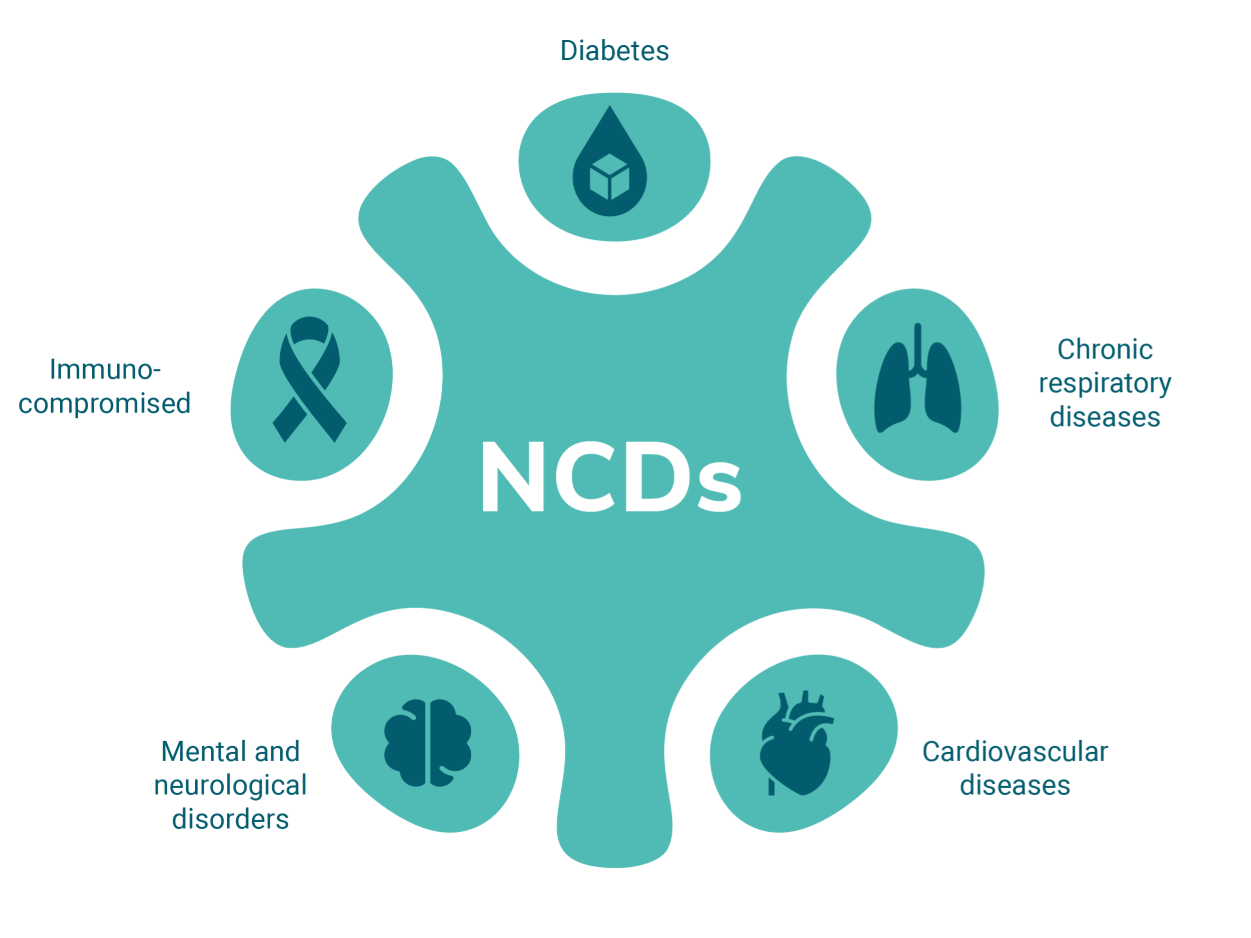
Throughout the 2026-2027 winter flu season, the #IDCBreathAndBeyond campaign will focus on the growing evidence linking respiratory virus infections and non-communicable diseases (NCDs) including cardiovascular disease, COPD, diabetes, cancer and asthma.
"Exploring bidirectional links between respiratory viruses & non-communicable diseases"
Optimal care for, and prevention of, respiratory virus infections in people living with non-communicable diseases.
To achieve a better understanding of the bidirectional relationship and causal links between acute respiratory infections and non-communicable diseases (NCDs) recognising that individuals with certain NCDs are at increased risk of severe infection, while even potentially mild respiratory infections can contribute to the onset, progression, or exacerbation of NCDs.
To increase awareness within the care community of the significant burden of respiratory infections in individuals living with an NCD.
To ensure the translation of scientific data into effective, evidence-based approaches for diagnostics, prevention, and treatment, including non-pharmaceutical measures, vaccination, and antiviral therapy.