Meeting Report: Third ESWI Science Policy Interface Roundtable, Bucharest (22 October 2026)
Consistent messaging, collaboration and a clear way forward needed to strengthen prevention in Romania
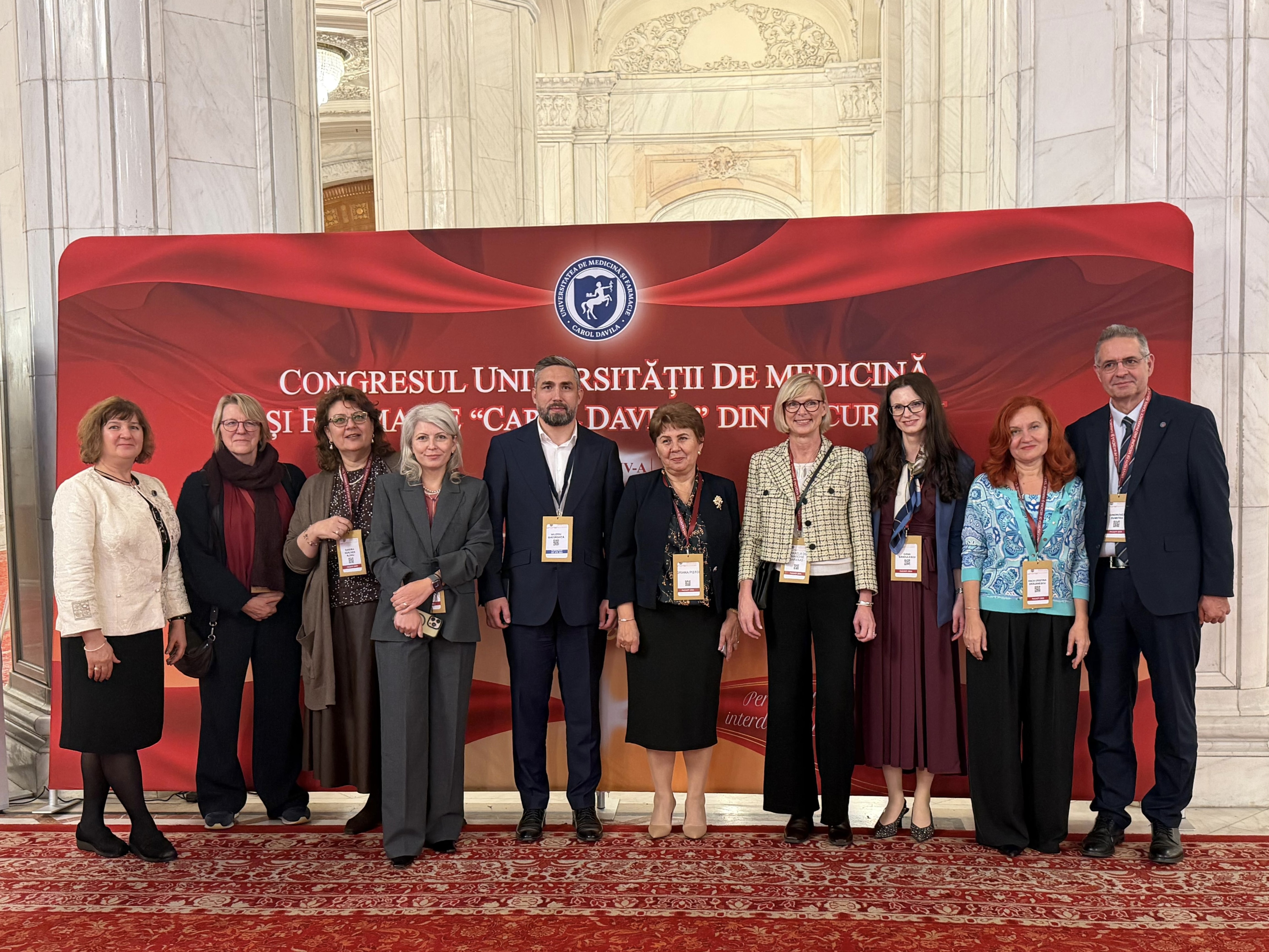
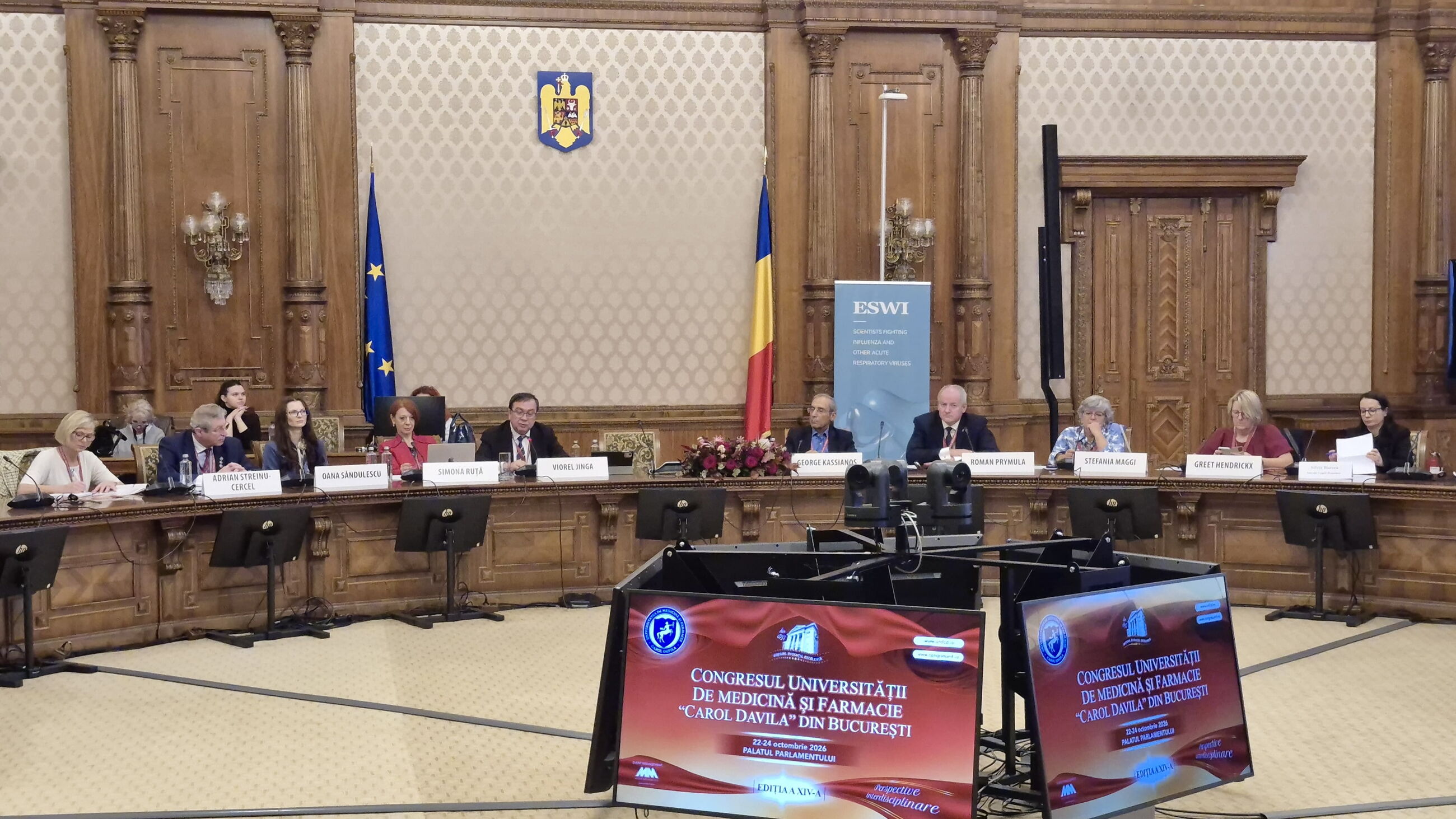
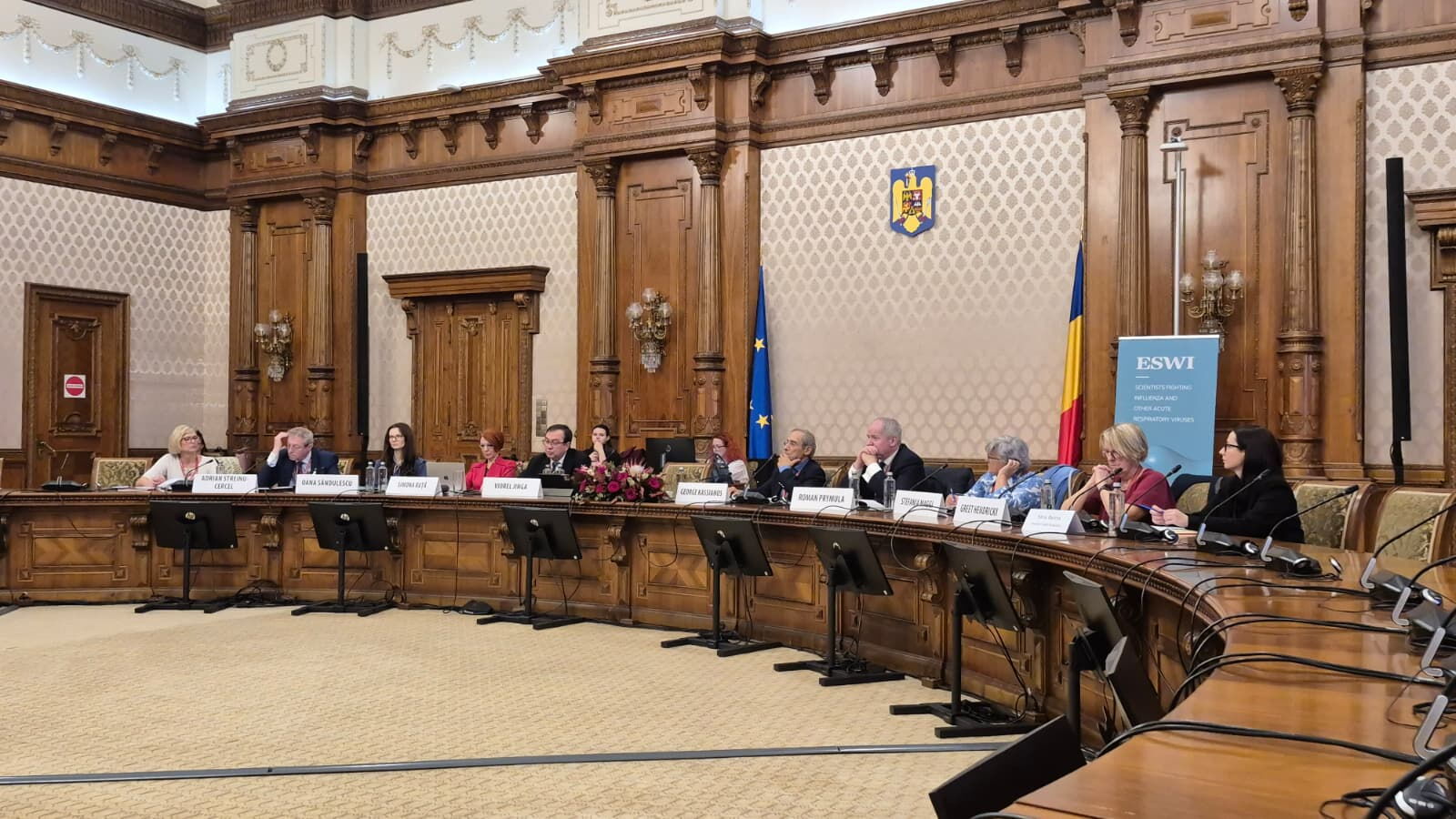
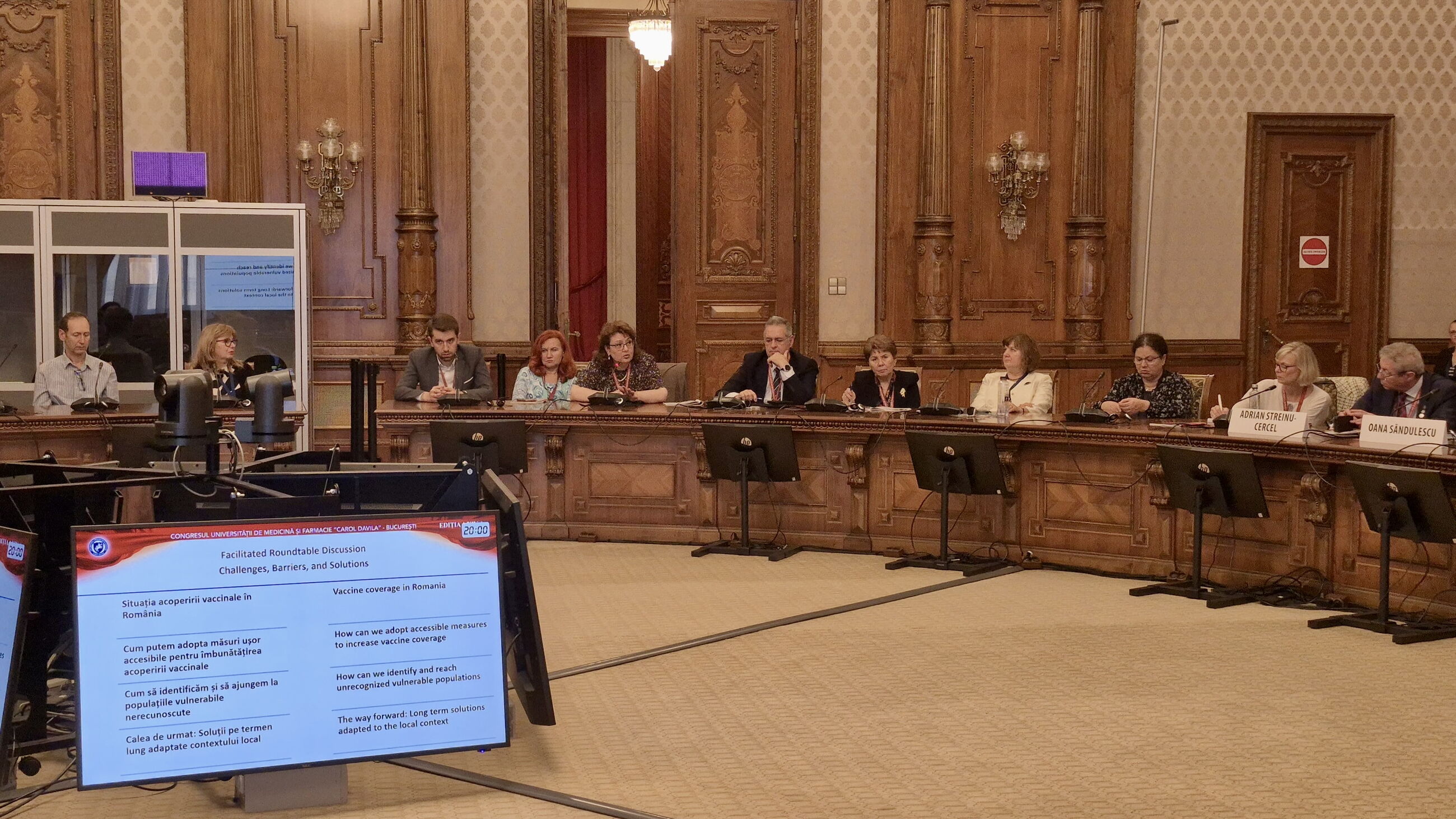
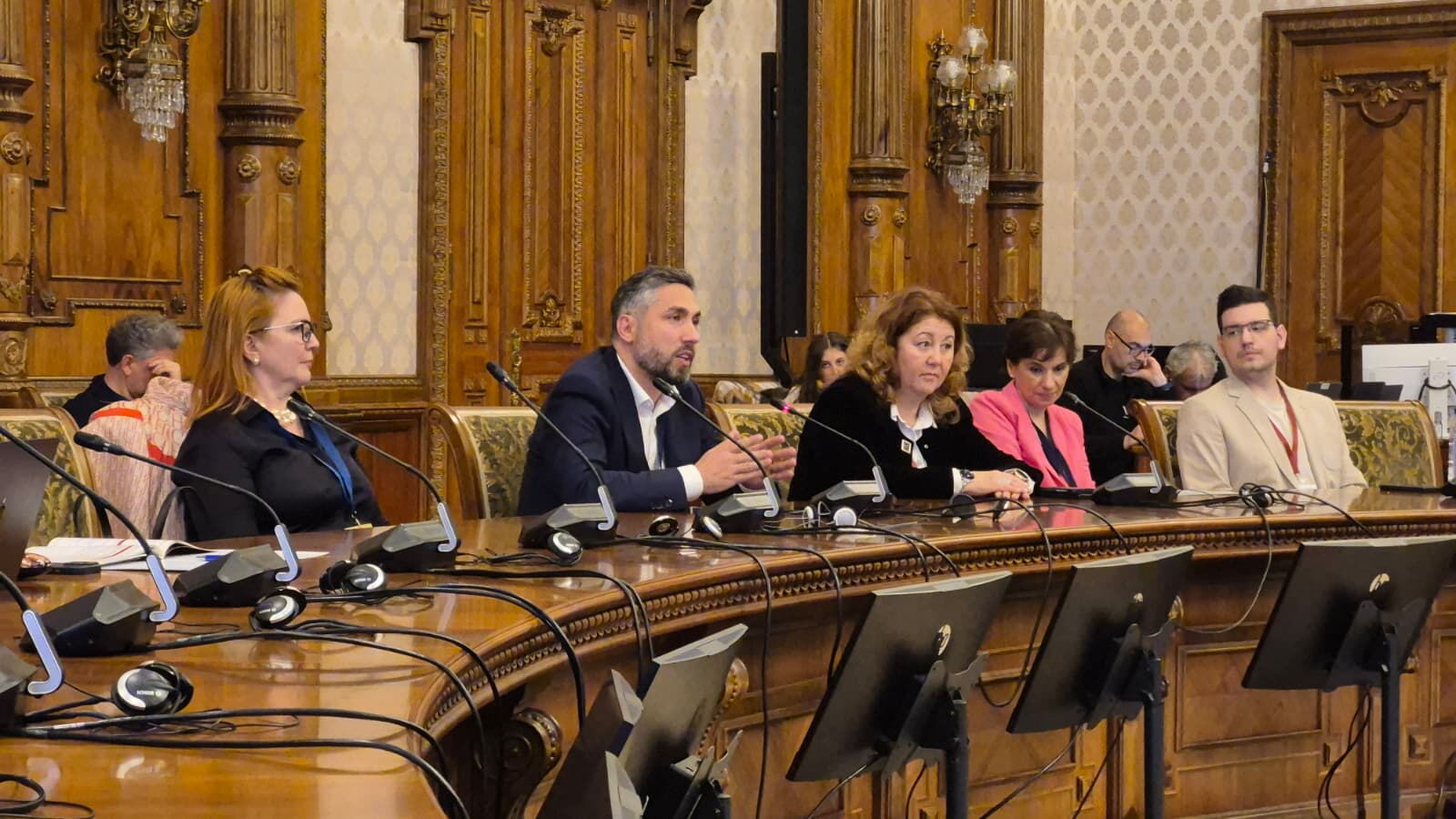
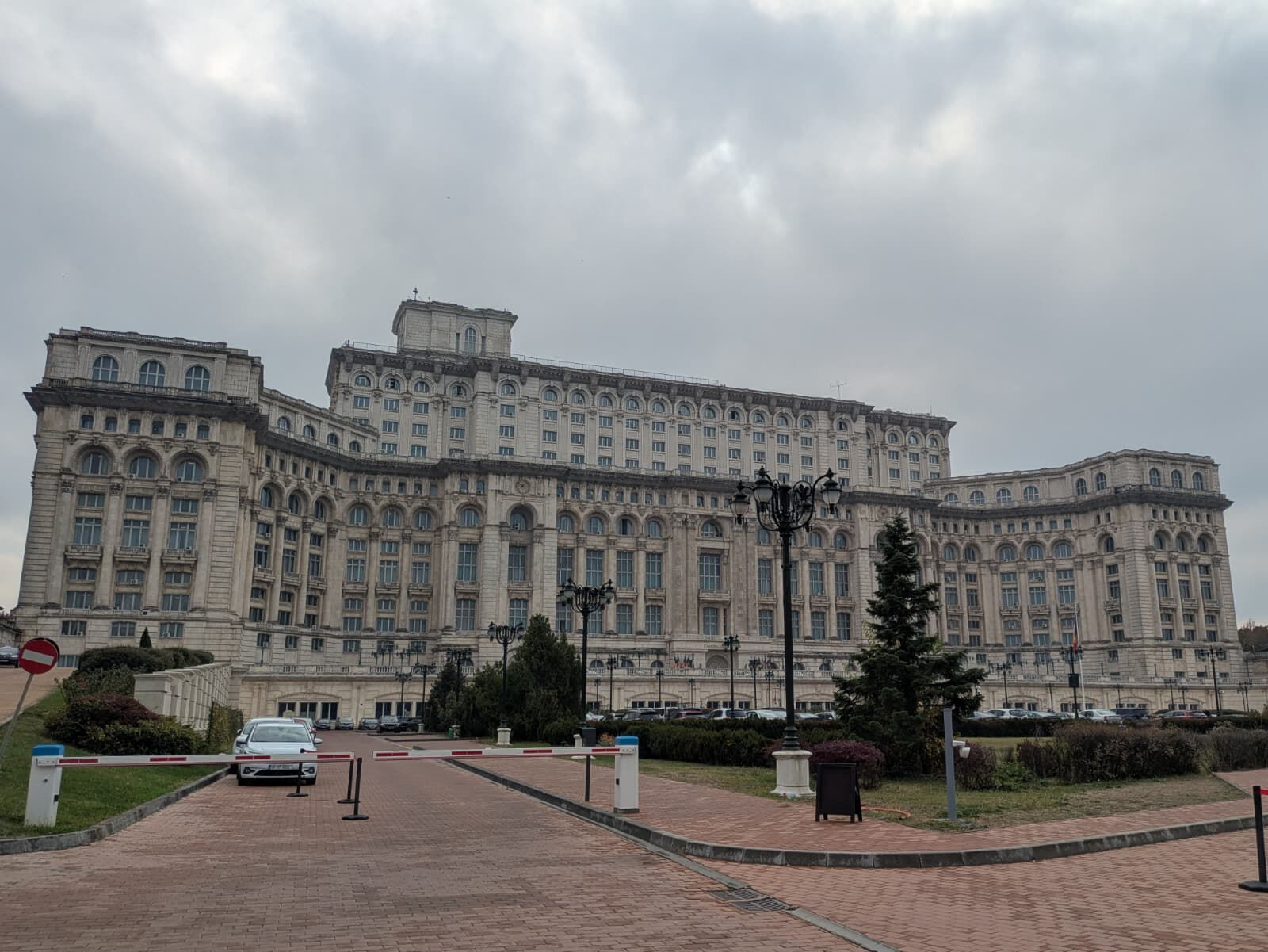
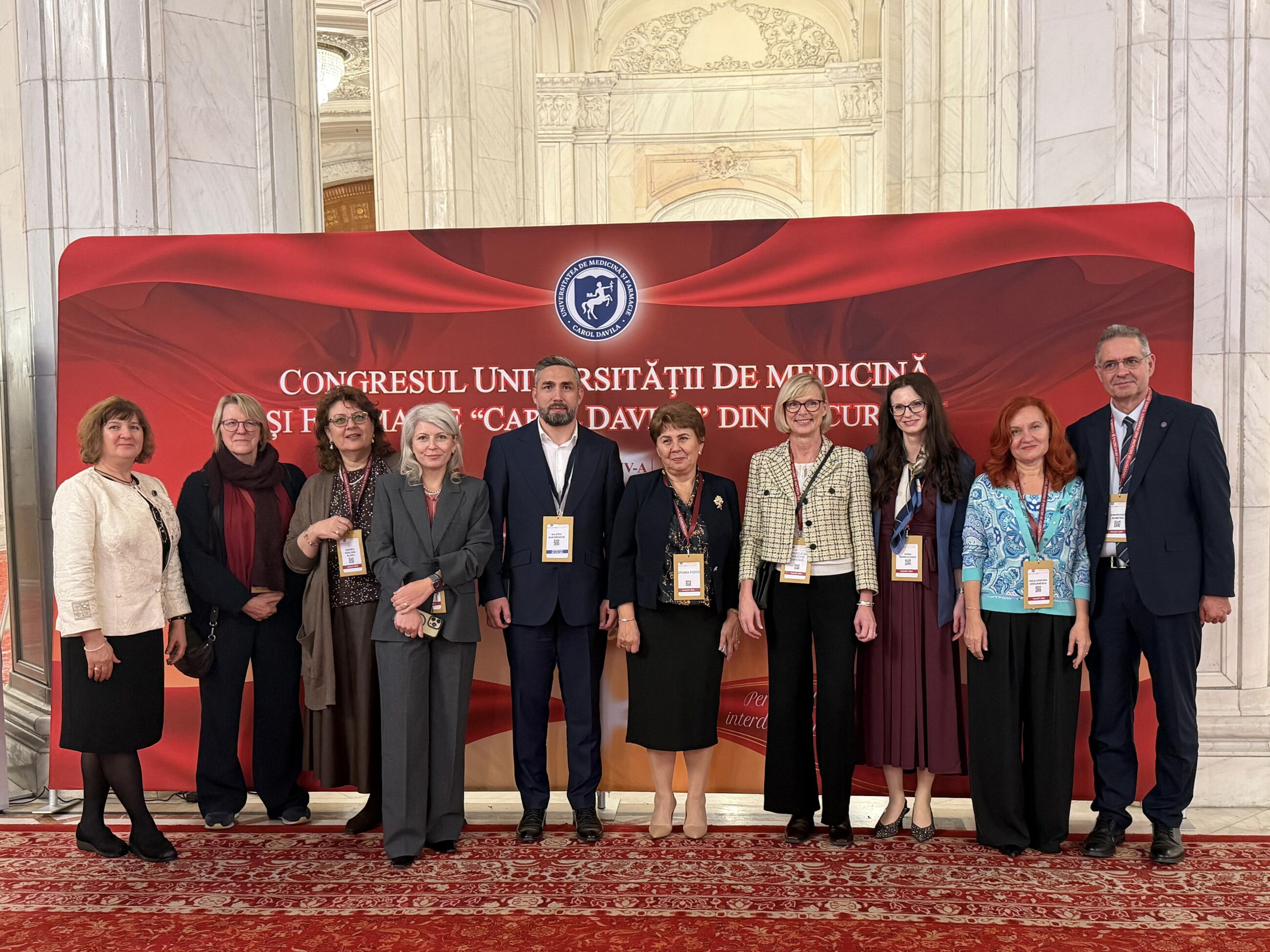
ESWI held its third annual Science Policy Interface Roundtable meeting on 22 October 2026 at the Palace of Parliament in Bucharest, Romania. Following successful meetings in Prague (2023) and Vienna (2024), this third edition aimed to facilitate dialogue to improve prevention of infectious diseases through vaccination in Romania. The meeting was held during the 14th Congress of Carol Davila University of Medicine and Pharmacy (UMFCD) and was organised in collaboration with UMFCD. Viorel Jinga, Rector, UMFCD, welcomed around 50 experts, including policymakers, researchers, clinicians and civil society representatives, to discuss the challenges, barriers and solutions related to vaccine uptake in Romania.
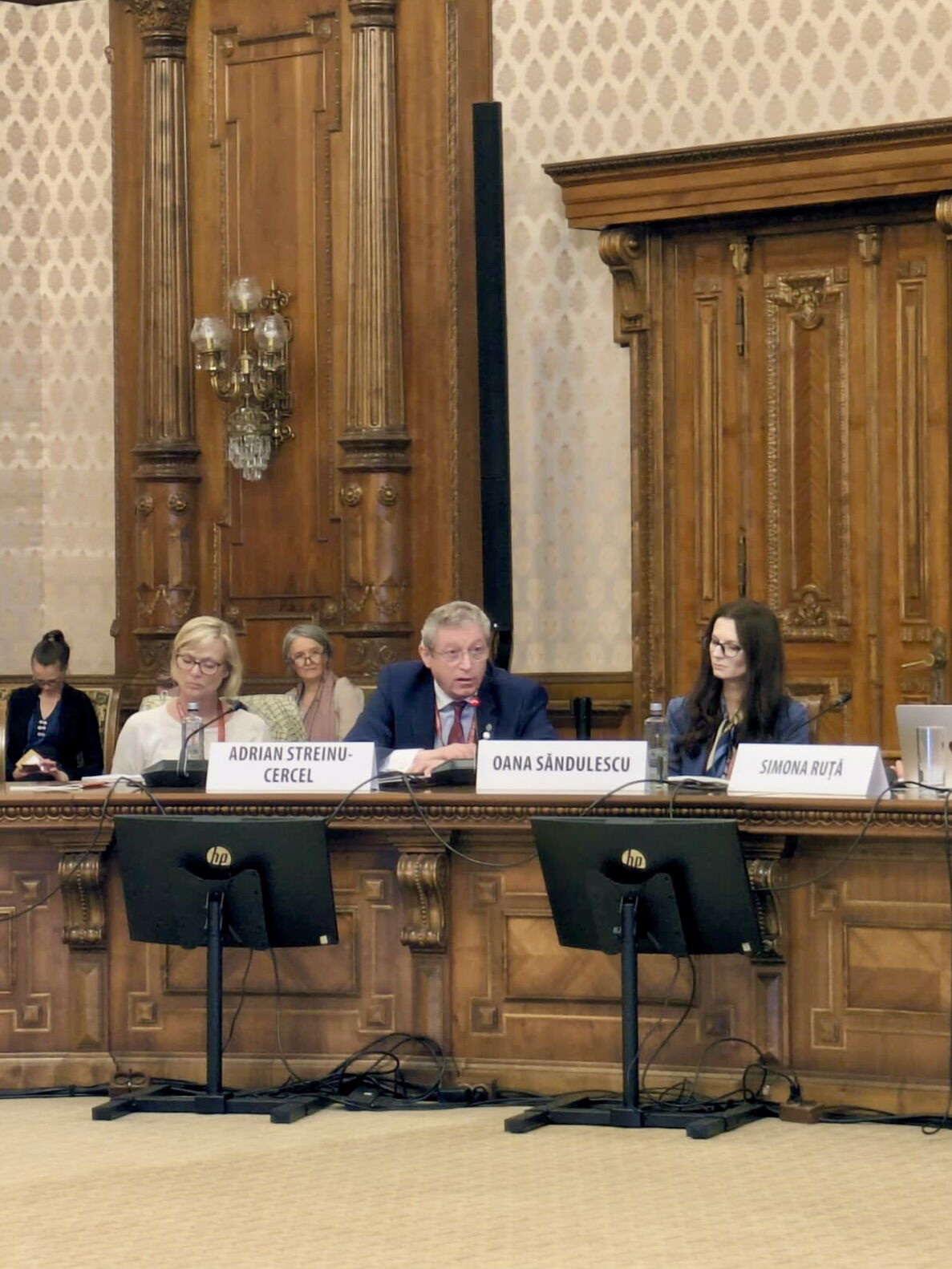
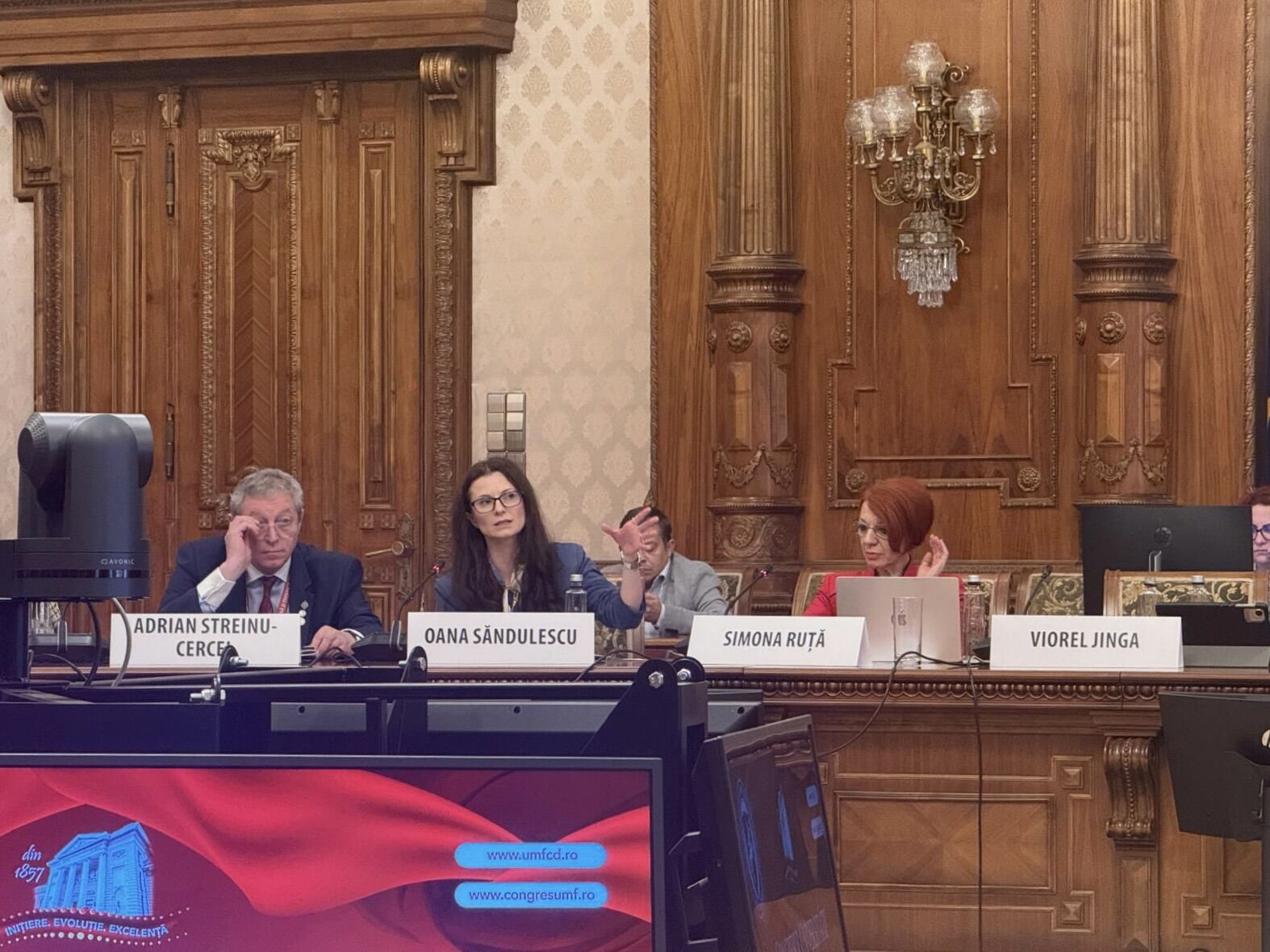
Hosted by Simona Ruță (President of the National Immunization Technical Advisory Group Romania & Vice-Rector for scientific research, UMFCD) and Adrian Streinu-Cercel (President of the Health Committee of the Romanian Senate), the meeting featured presentations from:
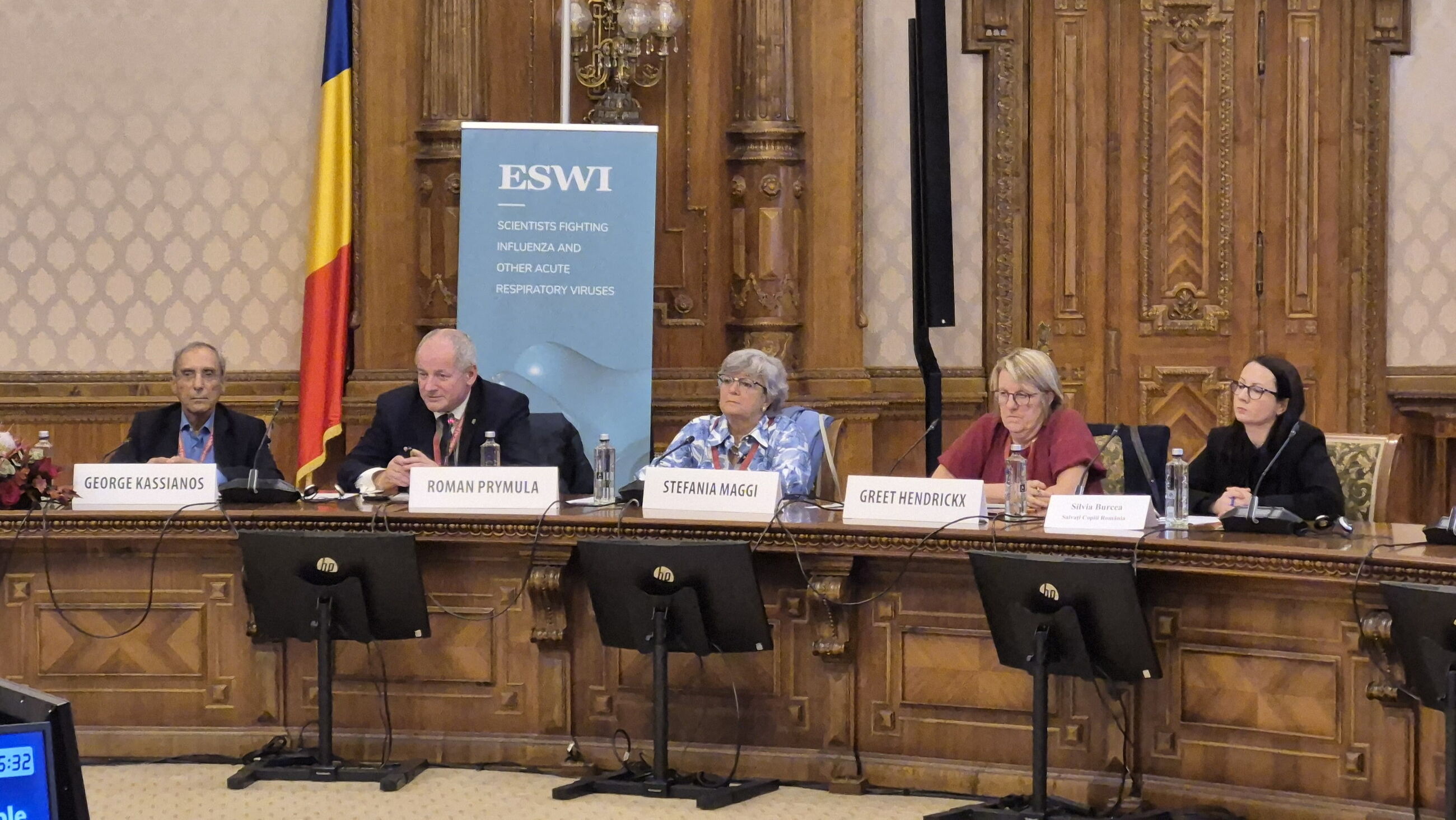
- Roman Prymula (ESWI Board Member and Professor of Epidemiology, Charles University, Prague and Chair, School of Public Health, Postgraduate Medical School, Prague)
- Stefania Maggi (ESWI Executive Committee Member, Geriatrician and Research Director CNR Ageing Branch, Neuroscience Institute, Italy)
- George Kassianos (ESWI Board Member and National Immunisation Lead, Royal College of General Practitioners and President, British Global & Travel Health Association)
Greet Hendrickx (Adult Immunization Board, University of Antwerp)
The ensuing roundtable discussion was facilitated by Simona Ruță and Oana Săndulescu, Professor of Infectious Diseases, ESWI Associate Board Member, Chief of the Department of Infectious Diseases I, UMFCD & Representative of the Society of Research and Innovation in Infectious Diseases, Romania.
Presentations
Roman Prymula introduced the background and objective of the ESWI SPI Roundtables. Recognising the challenges posed by misinformation, growing vaccine hesitancy and low uptake, these meetings offer an important opportunity for dialogue between experts, policymakers, practitioners and wider stakeholders, to highlight the latest scientific findings and share best practices between countries.
Prymula also offered reflections on progress made to strengthen respiratory virus prevention in the Czech Republic. Major successes since autumn 2025 include introduction of a universal Nirsevimab programme for newborns, a universal Tick-Borne Encephalitis programme for adults aged 50+, plus Pneumococcal and Meningococcal programmes. Flu vaccine coverage has also increased by 10%. Strengthening prevention is a continuous process: obstacles and challenges remain including improving cooperation between pharmacists and GPs, introducing a system of vaccine administration via GPs, and public campaigns promoting prevention.
Stefania Maggi presented the latest data highlighting the burden of influenza across Europe: up to 50 million symptomatic cases and between 15,000-70,000 deaths are associated with influenza each year, placing a substantial economic and healthcare burden on society (ECDC, 2022). Perceptions that influenza is a simple infection which resolves within a week, do not reflect the true medical, economic and societal burden represented by the virus.
Growing evidence shows that vaccine-preventable diseases play a role in triggering or exacerbating chronic diseases, which are leading causes of death globally (WHO, 2026). Among older adults, Maggi described a self-amplifying “domino effect” whereby repeated infections lead to a progressive loss of physical and cognitive functions, including sarcopenia.
Influenza vaccines are effective at reducing these risks, including among vulnerable populations. Maggi presented studies demonstrating a 45% reduction in major adverse cardiovascular events up to 12 months after influenza vaccination (Behrouzi et al, 2022), 31% reduced risk of all-cause mortality for vaccinated heart failure patients (Poudel et al, 2019), and 18% lower risk of acute stroke incidence (Lee et al, 2017). Further benefits of vaccination include combatting antimicrobial resistance by avoiding use of antibiotics (Micoli et al, 2021), and a return of investment of up to 19 units of value for every 1 invested in adult immunisation programmes (Office of Health Economics, 2024).
Maggi concluded by outlining ESWI’s Call to Action on Life Course Immunisation (January 2026), which calls on EU decision-makers and all European countries to adopt a comprehensive Life Course Immunisation Strategy.
George Kassianos shared learnings and data from the prevention of Respiratory Syncytial Virus (RSV) among older adults in the UK. Kassianos began by emphasising the public health challenge presented by RSV, which has a higher reproductive rate than influenza and produces more severe symptoms. Infection provides only partial immunity against future infections, leading to a risk of re-infection even within a few weeks, particularly amongst the elderly or immuno-suppressed. Higher hospital admission rates, longer hospital stays and greater ICU intake mean that medical resource utilisation in hospitals is much greater for RSV compared to influenza.
There is a bi-directional relationship between RSV infection and chronic diseases. RSV infections can destabilise chronic diseases, while these conditions can also increase the risk of an infection (Kujawski et al., 2022).
Kassianos emphasised the effectiveness of RSV vaccines to mitigate these risks. In the UK, from April 2026, the RSV vaccination programme extended to cover all those aged 75 and over, care home residents of all ages, and those aged 65-74 with immune suppression or long-term lung conditions. Approved community pharmacies can also deliver RSV vaccines.
Demographic factors continue to significantly impact RSV vaccine uptake in the UK. Overall uptake is at 63.5% among eligible adults (September 2024-June 2026) but is lowest in inner city areas, more deprived areas, and among ethnic minorities (Gov.uk, 2026). Communication, education and health literacy play an important role in improving uptake.
Greet Hendrickx offered insights from Adult Immunization Board (AIB) country meetings, which aim to establish a collaborative network of national experts in different fields and provide a platform for the exchange of knowledge and best practices.
Adult vaccination in Europe remains fragmented and underfunded, with persistent gaps in coverage. The AIB has identified five major barriers limiting uptake: data and evidence gaps; cost and financing limitations; organisational fragmentation across countries and systems; access gaps and limited integration into routine care pathways; and eroded vaccine confidence and public trust (Boccalini et al, 2026).
It is important for countries to adapt AIB policy recommendations to their national priorities. Respecting Europe’s diverse populations and local contexts is paramount. Successful implementation requires sustained political will, cross-border collaboration and alignment among health authorities, scientific experts, healthcare providers and communities.
Best practice insights: the AIB meeting in Italy (December 2023) highlighted best practices on lifetime vaccination planning and regional actions for hard-to-reach populations. The meeting in Finland (December 2024) focussed on best practices in data collection and analysis. The Portugal meeting (November 2025) centred on the opportunity presented by pharmacy vaccination. Coverage follows access: in Portugal, greater reductions in distance to vaccination sites saw the greatest improvements in coverage.
Hendrickx emphasised that pharmacists are uniquely positioned to expand vaccine impact, offering high accessibility, including hard to reach populations, and reducing primary care workload. However, common barriers include inconsistent reimbursement and policy, training and infrastructure requirements, vaccine confidence and interprofessional hesitation.
Roundtable Discussion
Adriana Pistol, President of the Romanian Society of Epidemiology, past secretary of state in the Ministry of Health Romania, emphasised the need for urgent action, including clear communication and information on the importance of vaccination against respiratory infections.
Anca Streinu-Cercel, Counsellor of the Minister of Health for Romania, highlighted the government’s commitment to strengthening respiratory virus prevention, improving equitable access to vaccination and building public confidence through transparent, evidence-based communication.
Gindrovel Dumitra, General Secretary of the Romanian College of Physicians (CMR) and Coordinator of the Vaccinology Group of the National Society of Family Medicine, Romania, agreed on the urgent need to improve vaccination coverage, emphasised the important role of the physician in communicating directly to patients, and pointed to the CMR’s efforts to ensure coordinated, consistent and science-based communication to patients.
Sandra Adalgiza Alexiu, President of the Association of General Practitioners Bucharest-Ilfov, highlighted how constraints on health system resources limit the accessibility of vaccination, particularly in rural areas of Romania. Doctors are important communicators, however strained resources can make it difficult to balance this with the provision of care.
Simin Aysel Florescu, President of the Infectious Diseases Committee of the Ministry of Health, Romania, and Manager, Clinical Hospital for Infectious and Tropical Diseases "Dr. Victor Babeș", Bucharest, shared insights from clinical practice, including clear messaging around the safety and protection provided by childhood vaccinations, and reflected on the need to further accelerate progress to improve uptake.
Valeriu Gheorghiță, Manager of the Emergency Hospital Prof. Dr. Agrippa Ionescu, Bucharest, and past national coordinator of the COVID-19 vaccination committee, pointed to Romania’s comprehensive vaccination programme, and suggested that uptake could be improved by: shifting from opportunistic vaccination to a more systematic approach, through collaboration across medical specialties and institutions; improving access for vulnerable and rural populations; and rethinking how performance is measured, to recognise the wider benefits of prevention.
Aurora Stănescu, Coordinator of the National Immunisation Programme, National Institute for Public Health, Romania, reflected on declines in vaccine uptake following the COVID-19 pandemic, including continued low uptake of the measles vaccine in Romania, resulting in over 30,000 measles infections in 2024.
Radu Gănescu, President of the Coalition of Organisations of Patients with Chronic Diseases in Romania (COPAC), agreed that messaging around vaccination needs to better communicate the value of vaccination, and the consequences of not vaccinating. Improve access to vaccines: more entry points, preventing supply disruptions, and broaden reporting to include accessibility.
Silvia Burcea, Save the Children Romania, presented on the ongoing work to address barriers to vaccination by facilitating access to medical services for vulnerable populations, including teenage mothers who represent around 10% of births in Romania. Projects include the “baby box” programme, mobile medical caravans, and an application for pregnant women and new parents.
Octavian Gane, Student at the Faculty of Medicine, UMFCD, welcomed the important discussion and the inclusion of medical students.
Closing Messages
In a closing statement, Săndulescu welcomed the contributions from such high-level and key opinion leaders and stakeholders involved in Romania’s vaccination policy and governance. Emphasising the need to have one voice and one consolidated message in favor of vaccination, she highlighted the following key messages of the discussion:
Although Romania has a comprehensive vaccination programme that provides reimbursed vaccination across the life course, with particular facilitation of adult vaccination since 2023, vaccine coverage remains insufficient. Potential solutions to improve uptake include:
- Facilitating access to vaccination through multiple entry points in the health system. In Romania, pharmacy-based vaccination has been piloted for several years for influenza, and an extension of the programme to other vaccines could be considered to close the vaccination loop earlier.
- Working collaboratively across sectors and healthcare settings.
- Strengthening community awareness regarding vaccines, and regarding the burden of respiratory infectious diseases, including influenza, RSV and pneumococcal disease, not only during the acute infection, but also through their impact on non-communicable diseases.
- Increasing health literacy in relation to infectious diseases, prevention and vaccination.
- Strengthening trust in approved vaccines.
- Ensuring access to accurate, reliable information.
- One voice and one consistent message regarding the benefits of vaccination for healthcare workers at all levels
- Bringing the voices of health professionals closer to communities, including through social media.