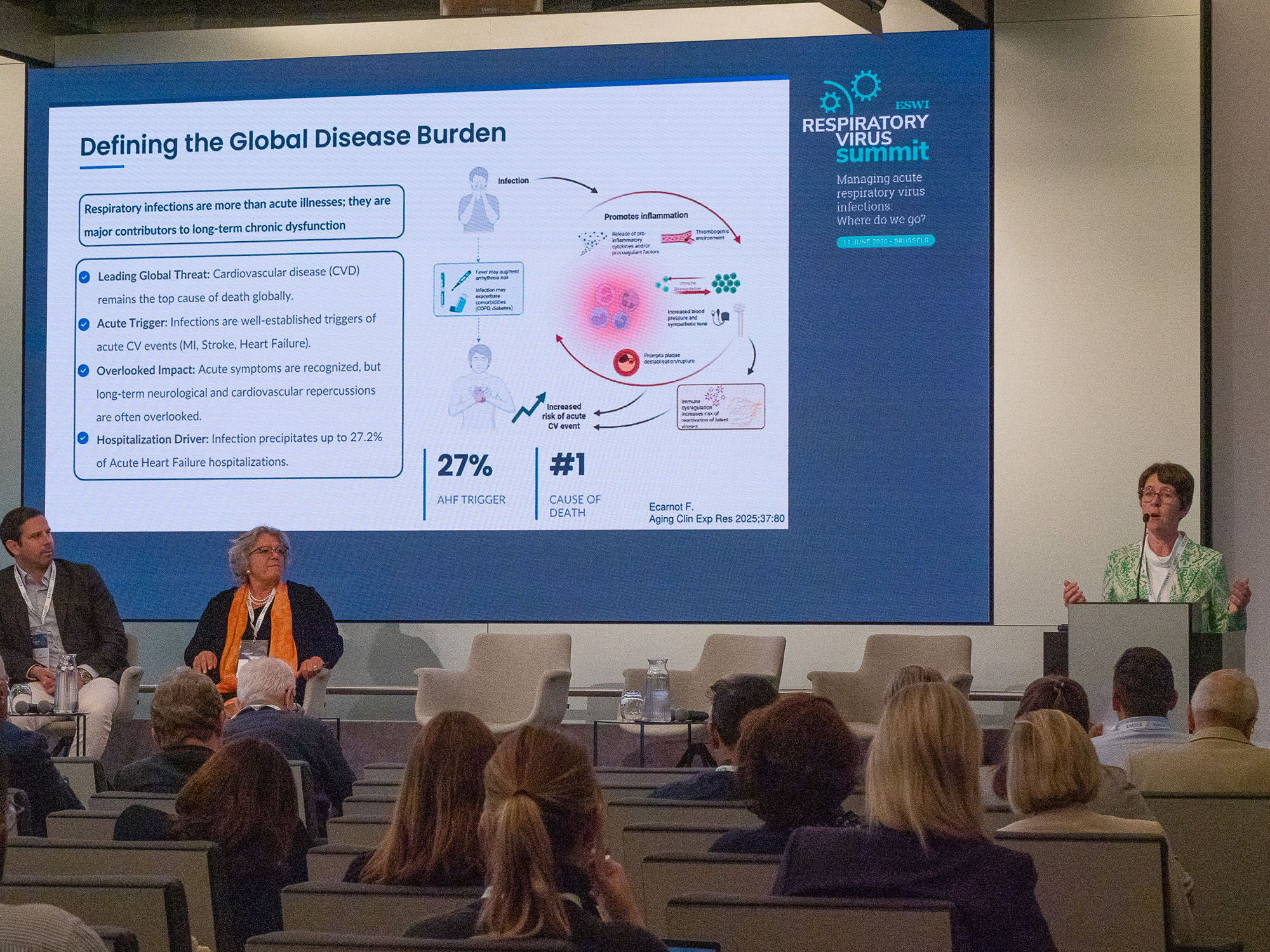
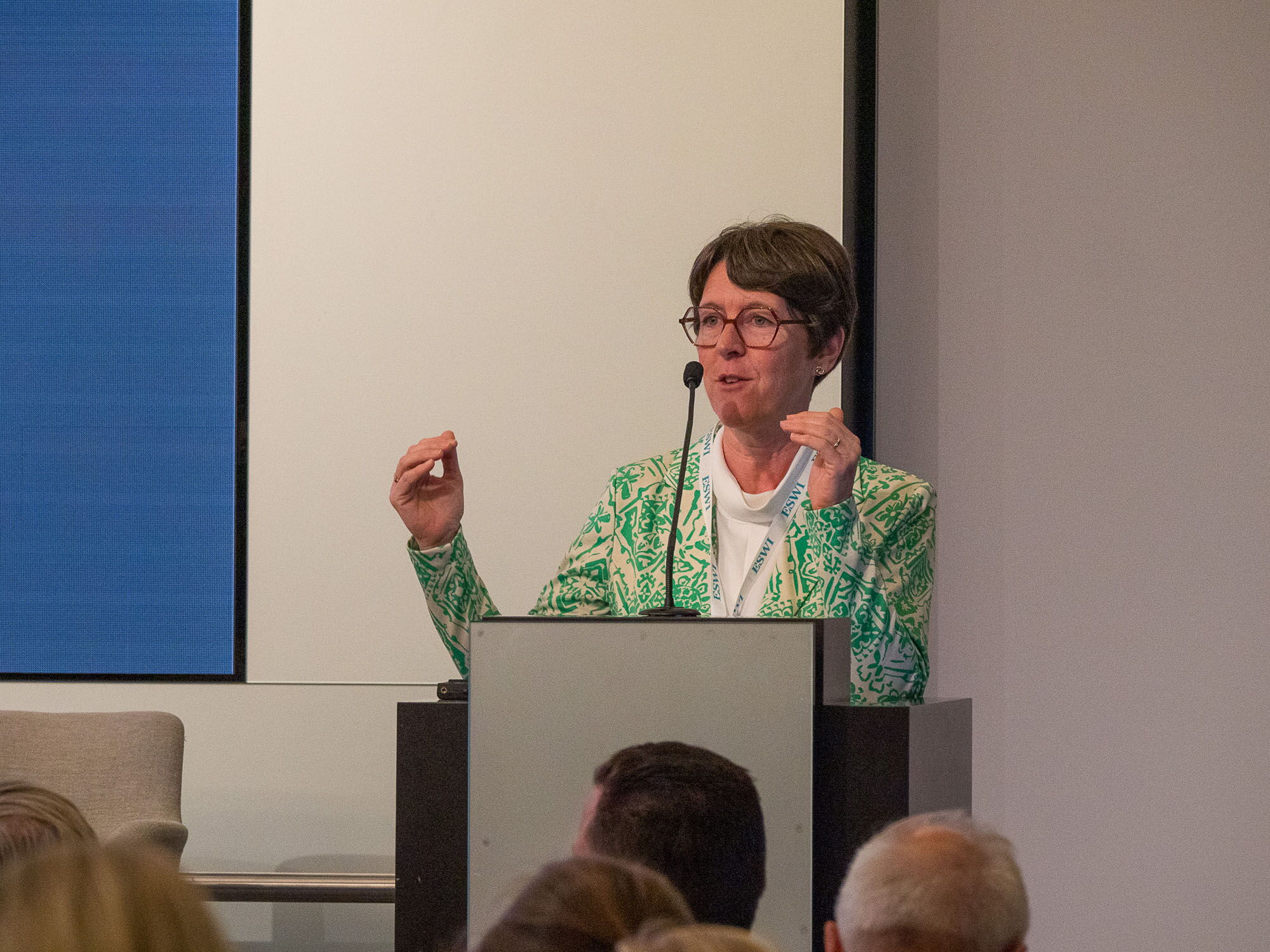
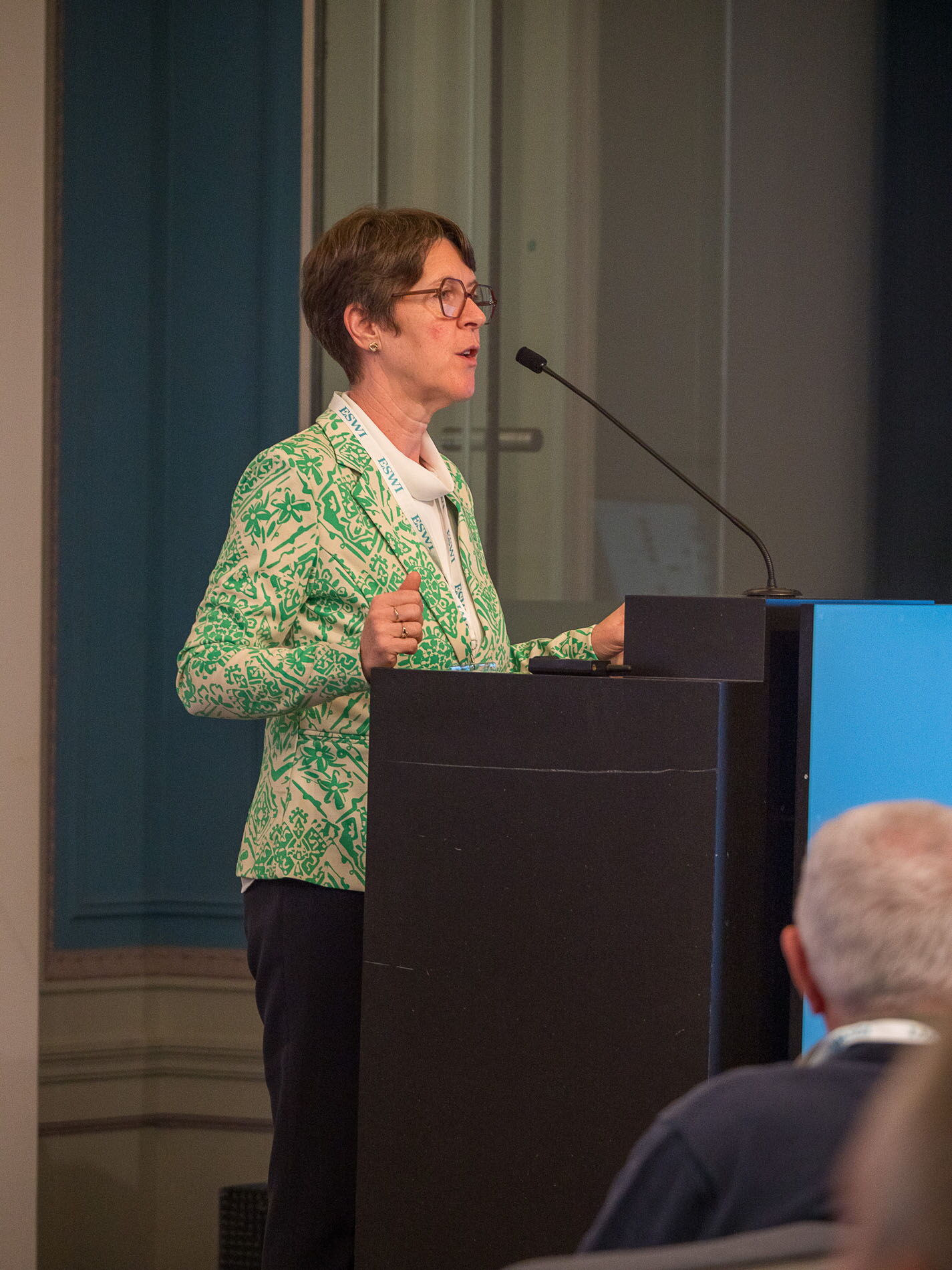
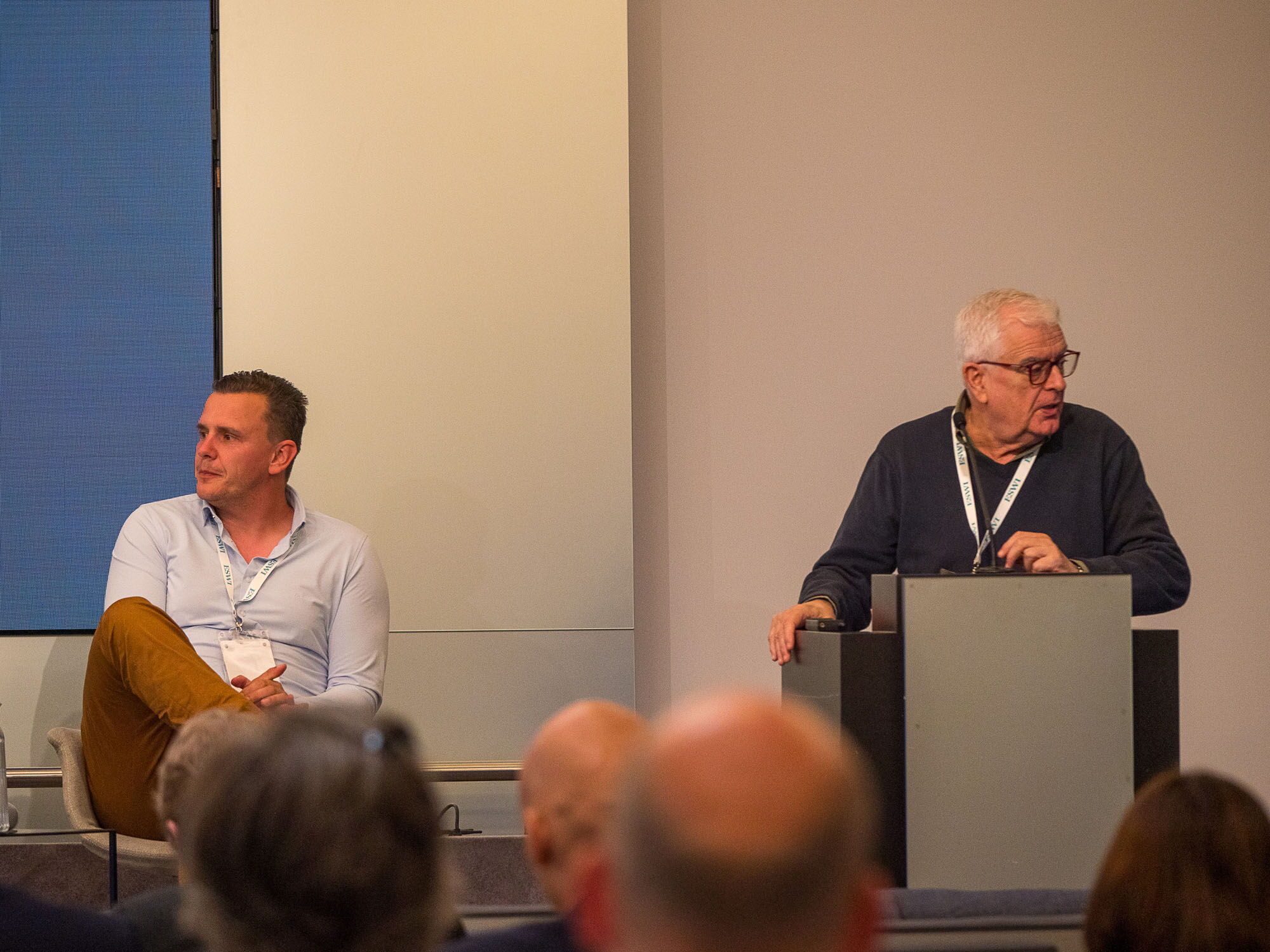
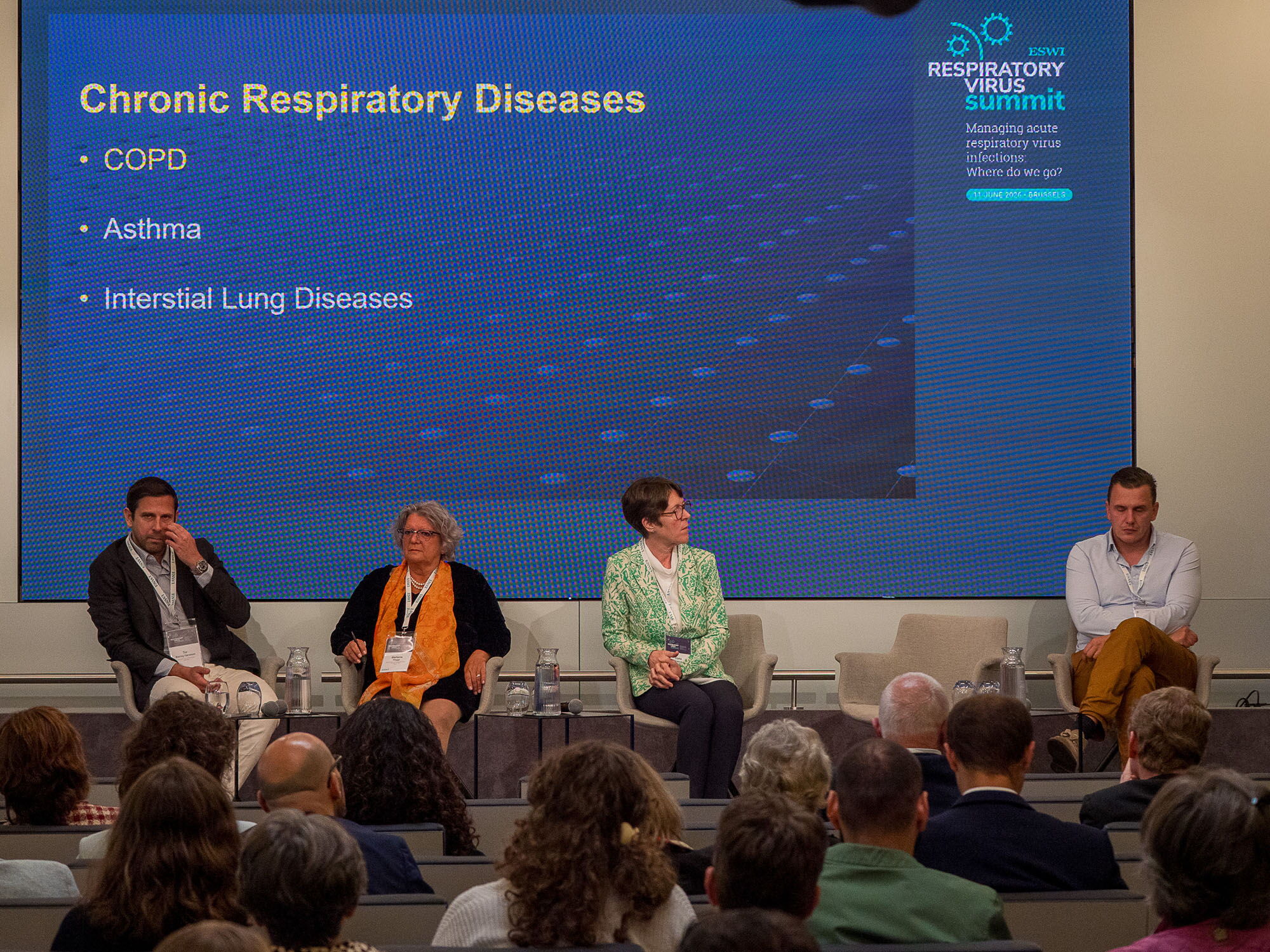
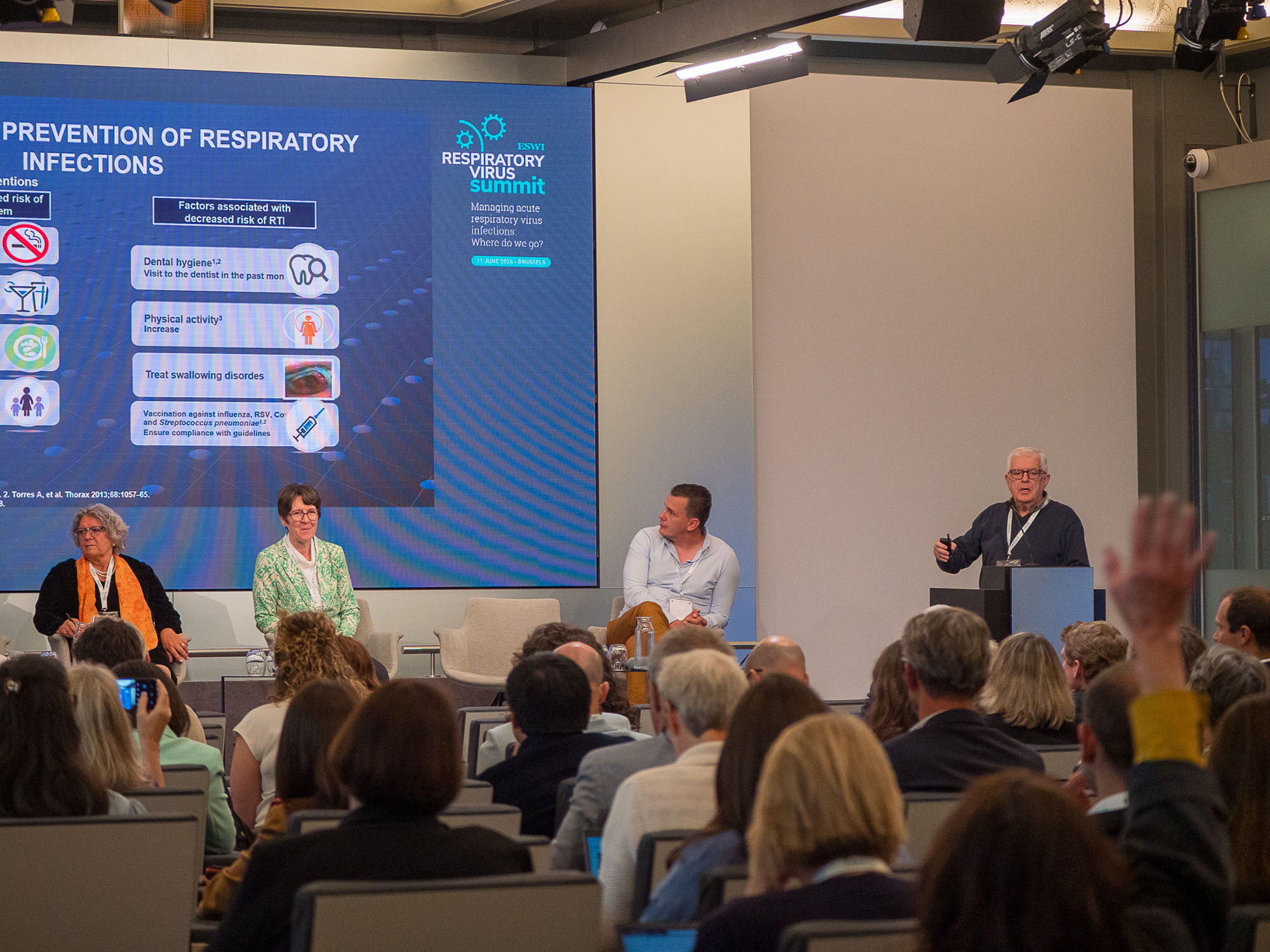
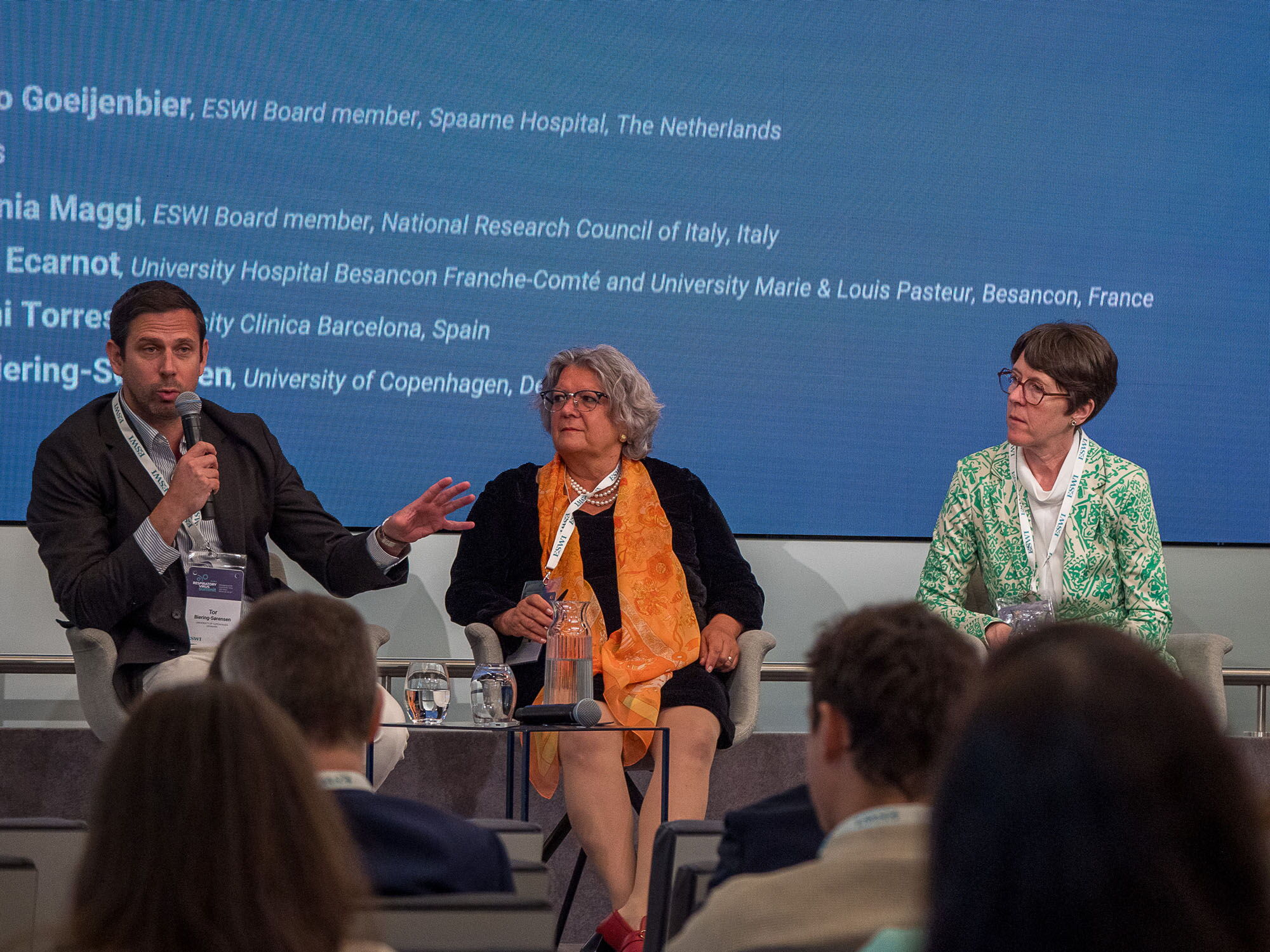
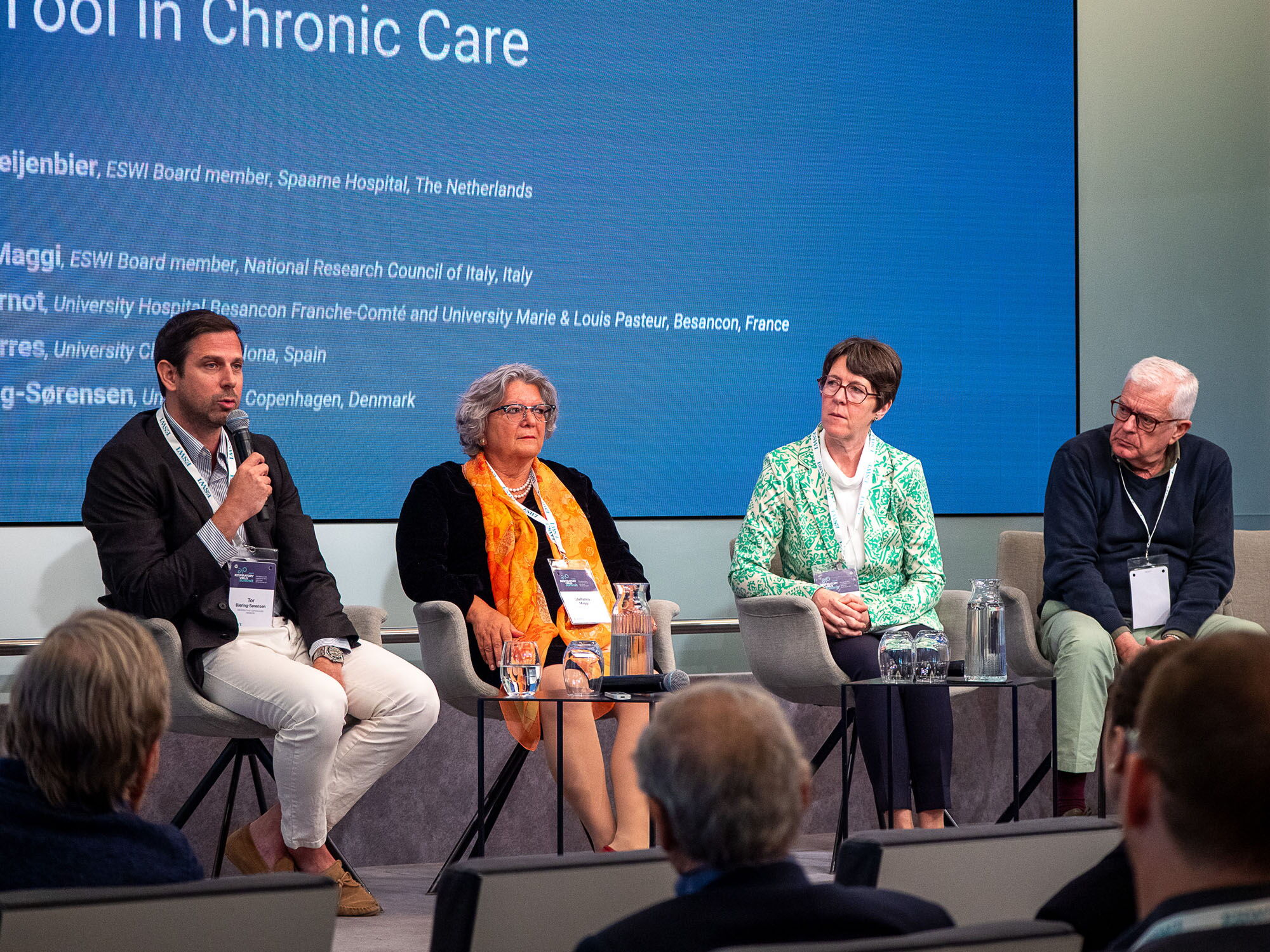
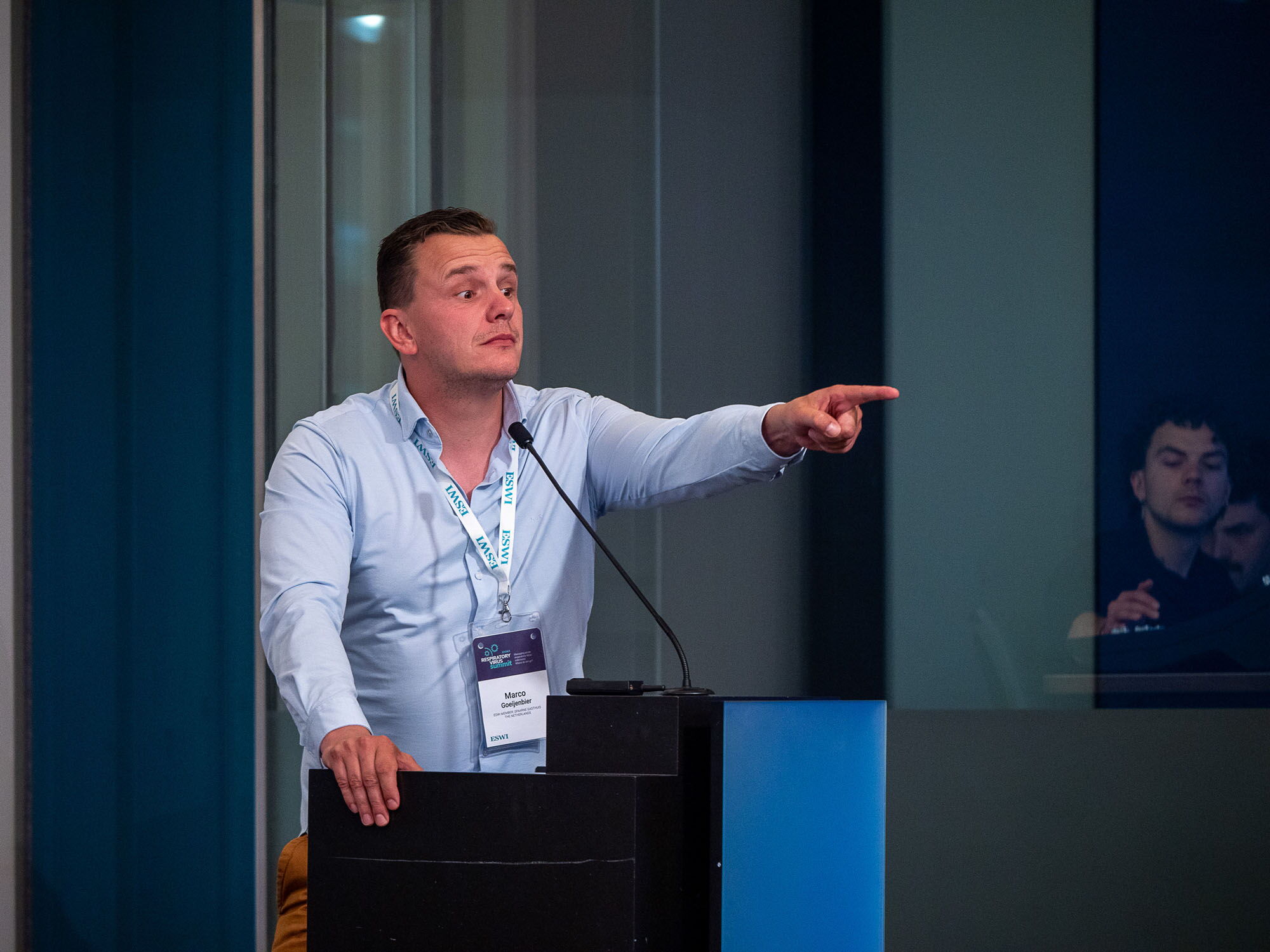
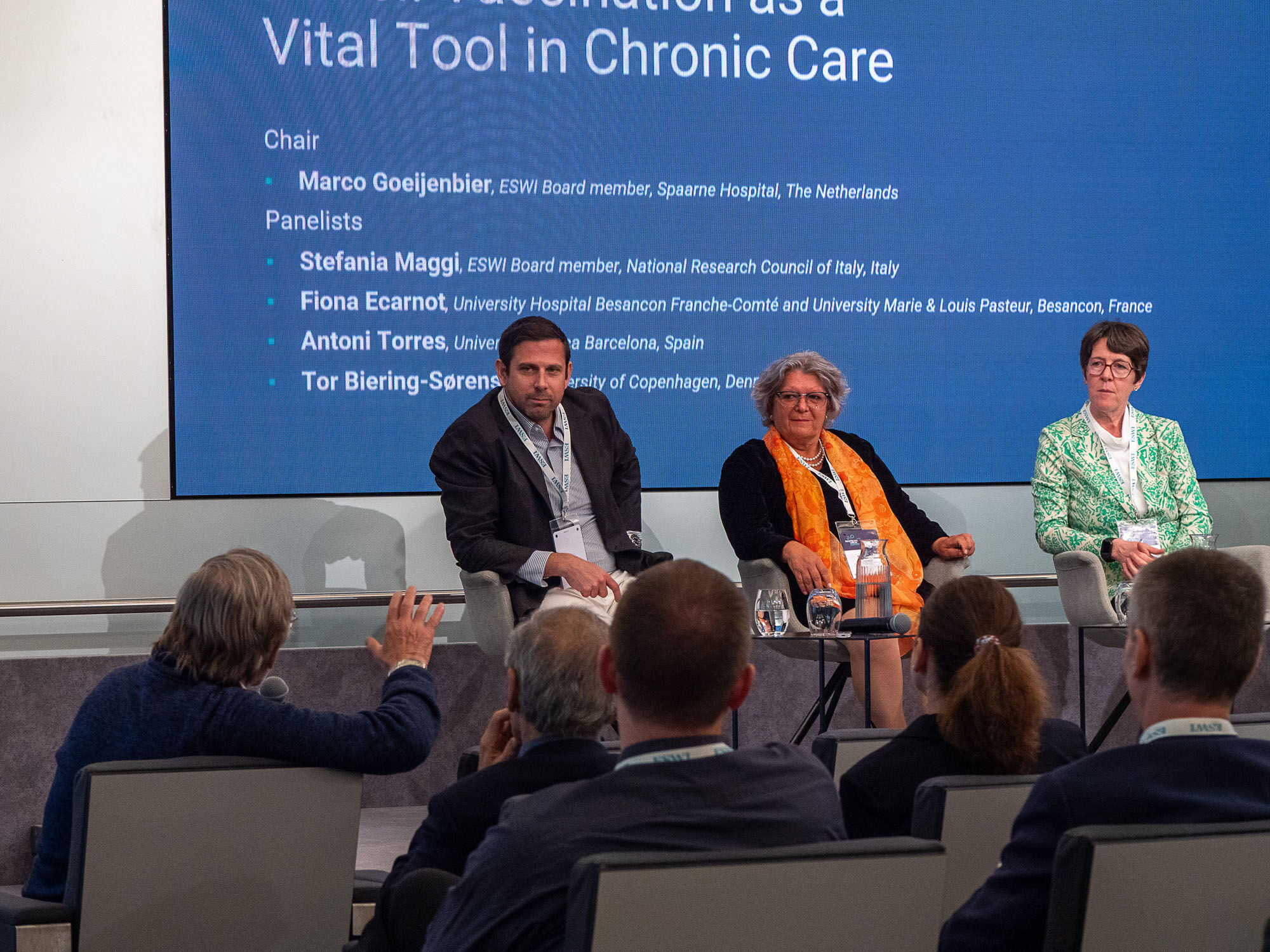
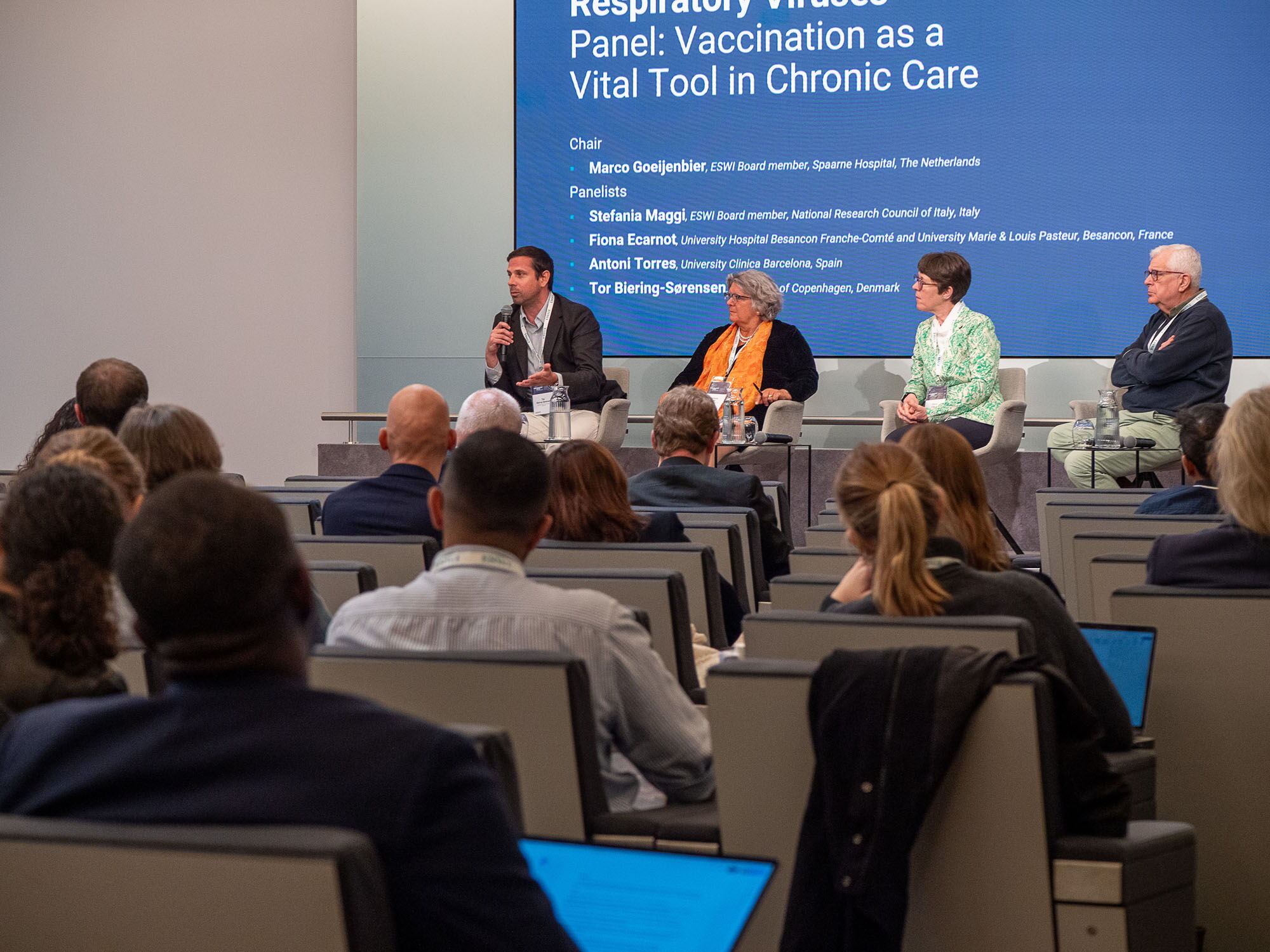
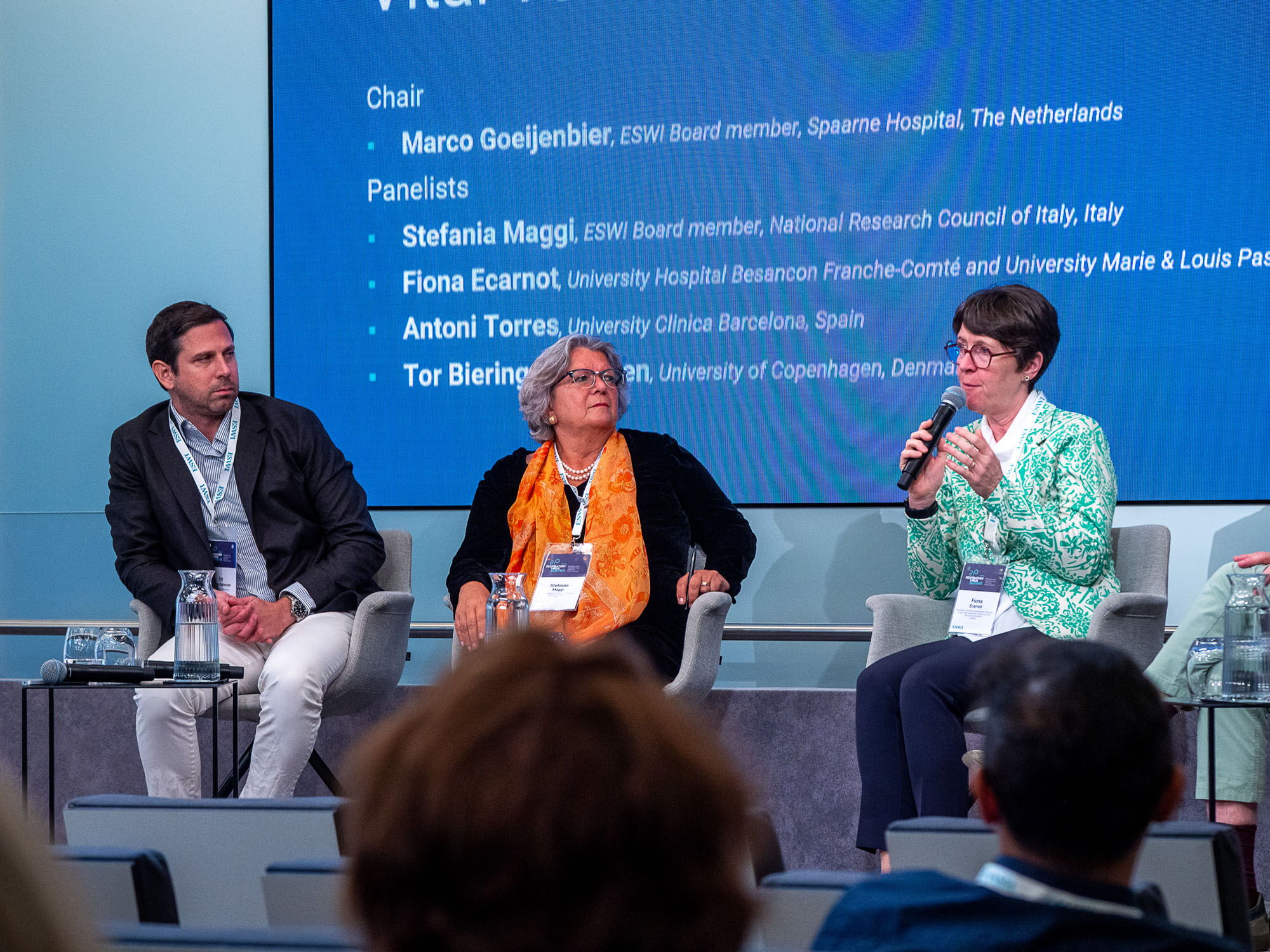
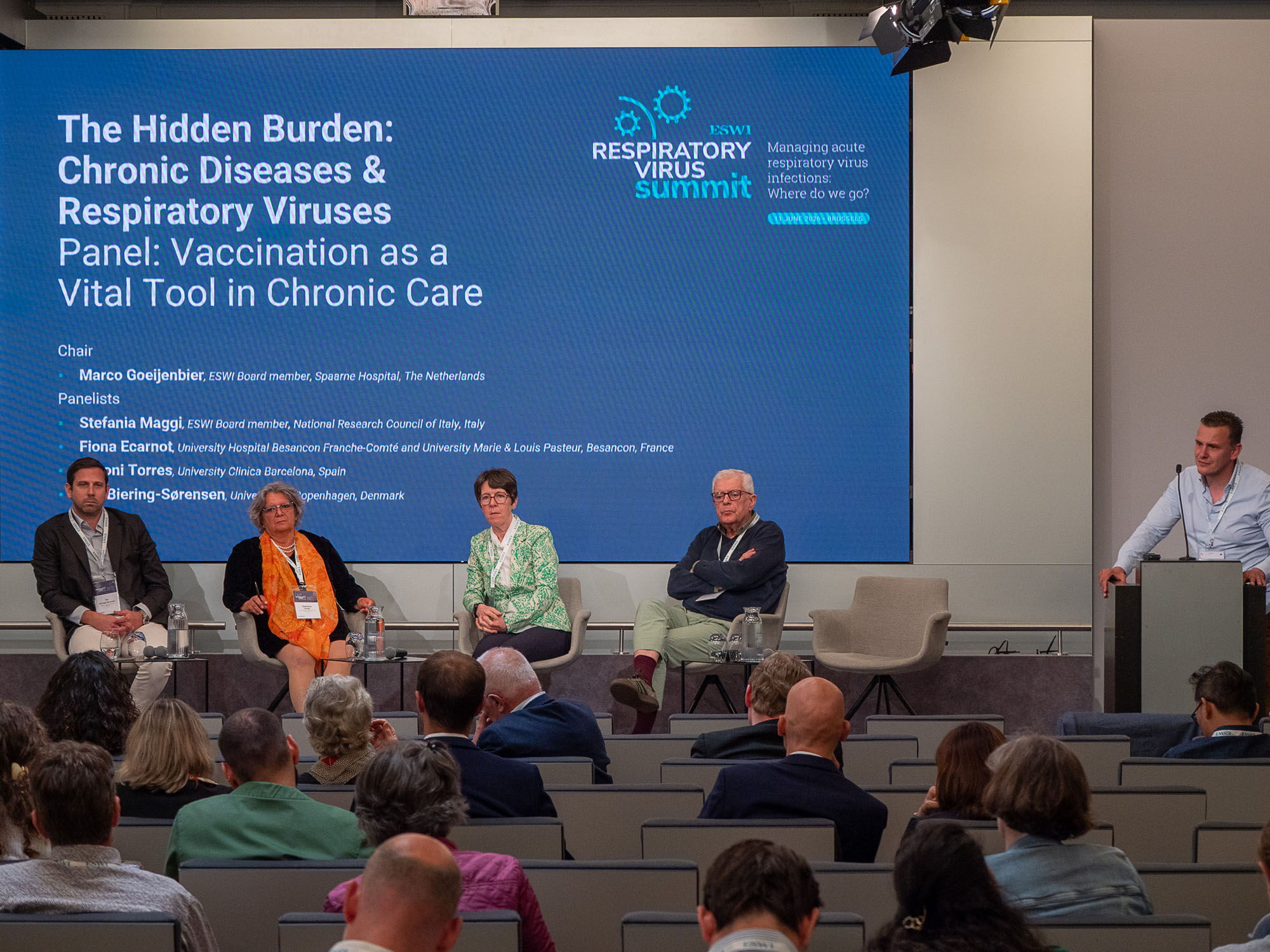
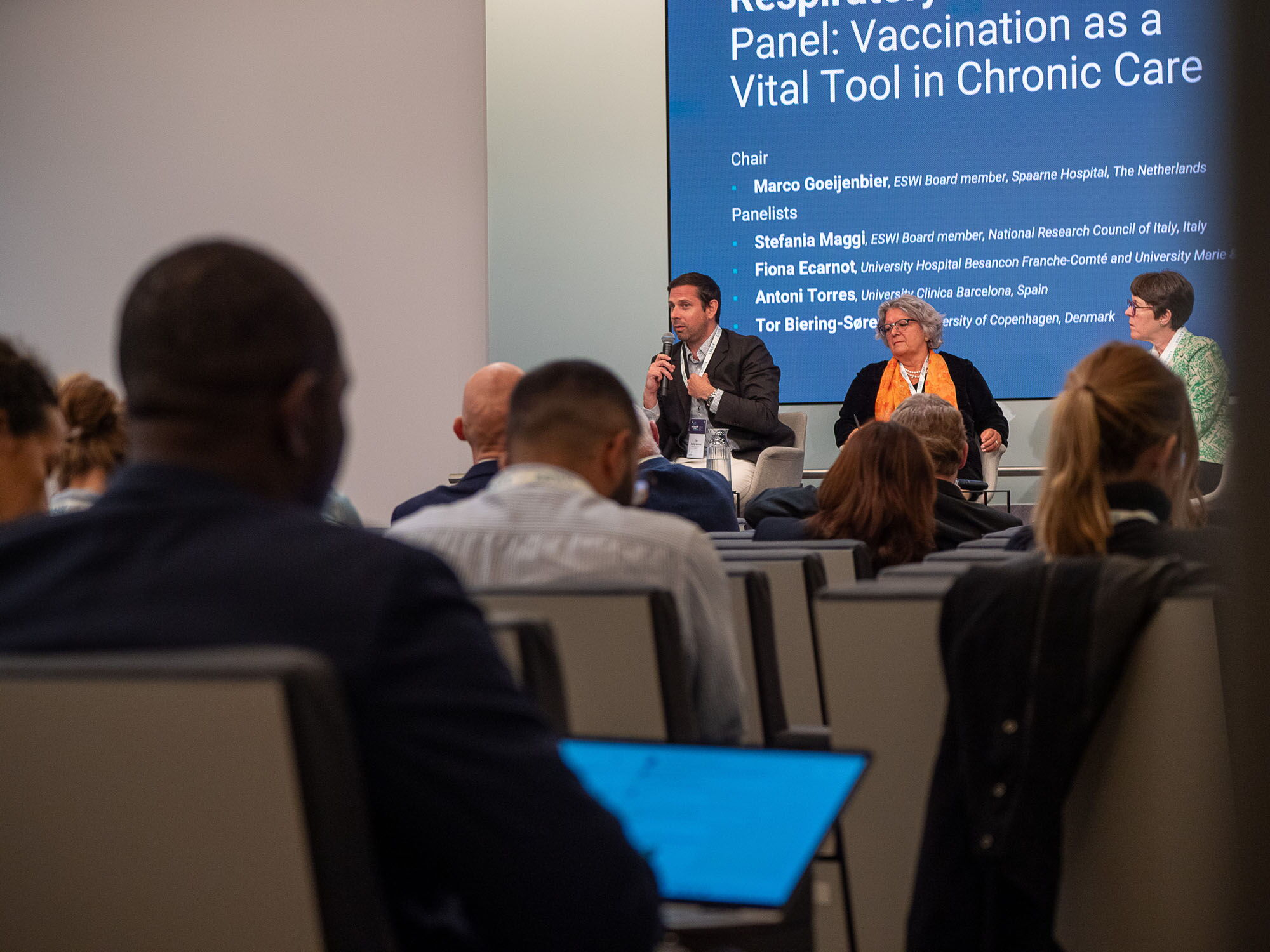
The Hidden Burden: Chronic Diseases & Respiratory Viruses - Panel at the Respiratory Virus Summit 2026
Goto: Video on demand | Programme | Presentations | Gallery | Speakers
Video on demand
Programme
Presentations
| File | Type | Size |
|---|---|---|
| Stefania Maggi - hidden burden.pdf | Adobe Portable Document Format | 632.1 KB |
| Fiona Ecarnot - Defining the Global Disease Burden.pdf | Adobe Portable Document Format | 1.1 MB |
| Antoni Torres - Viral exacerbations in chronic respiratory diseases.pdf | Adobe Portable Document Format | 3.3 MB |
Gallery
Speakers

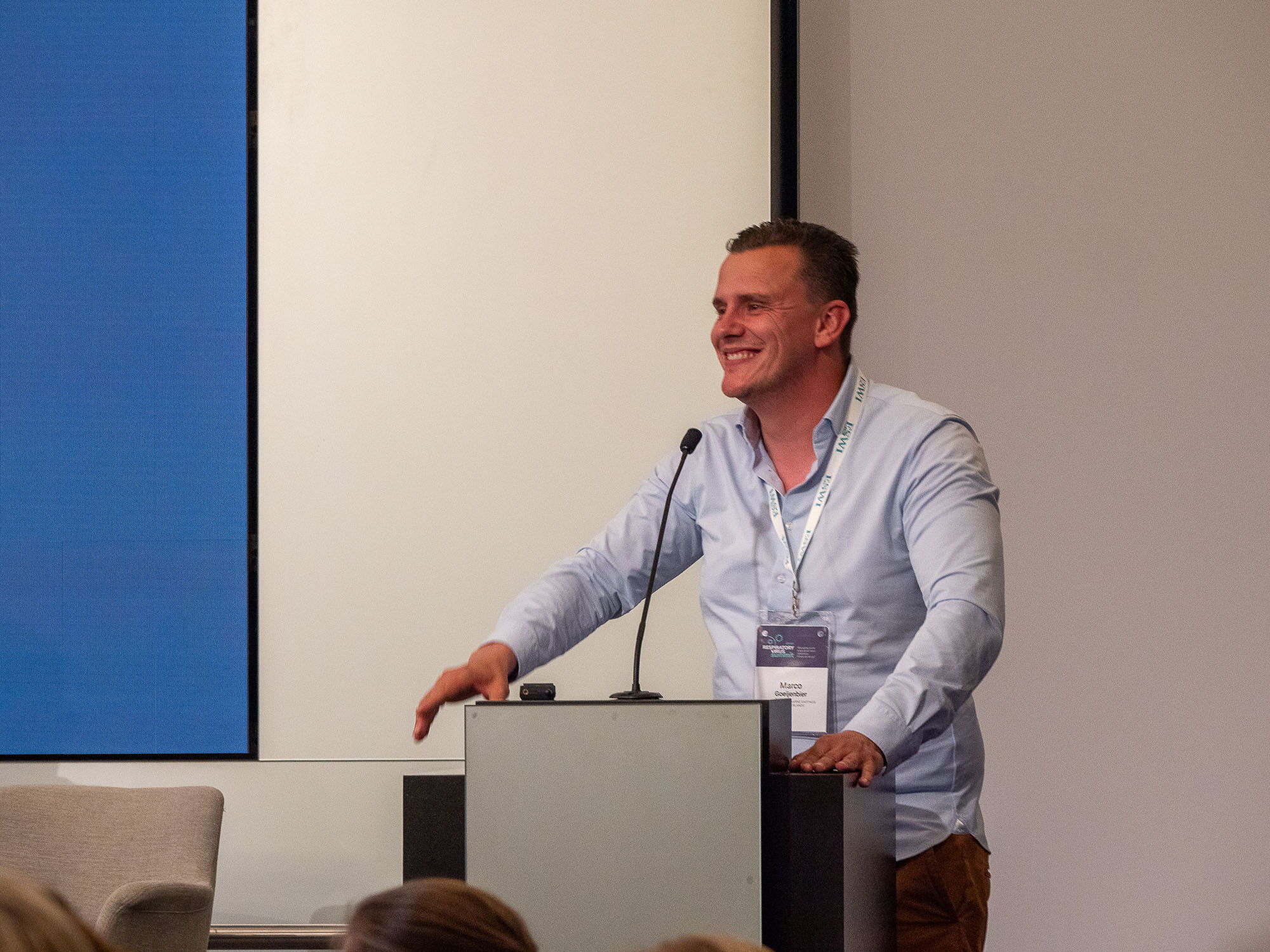
Nationality: Dutch
Position: Intensivist, Spaarne Gasthuis, Amsterdam, The Netherlands; and Senior Scientist, Erasmus MC, Rotterdam, The Netherlands
Research fields: Special interest in acute care and infectious diseases
ESWI member since 2016
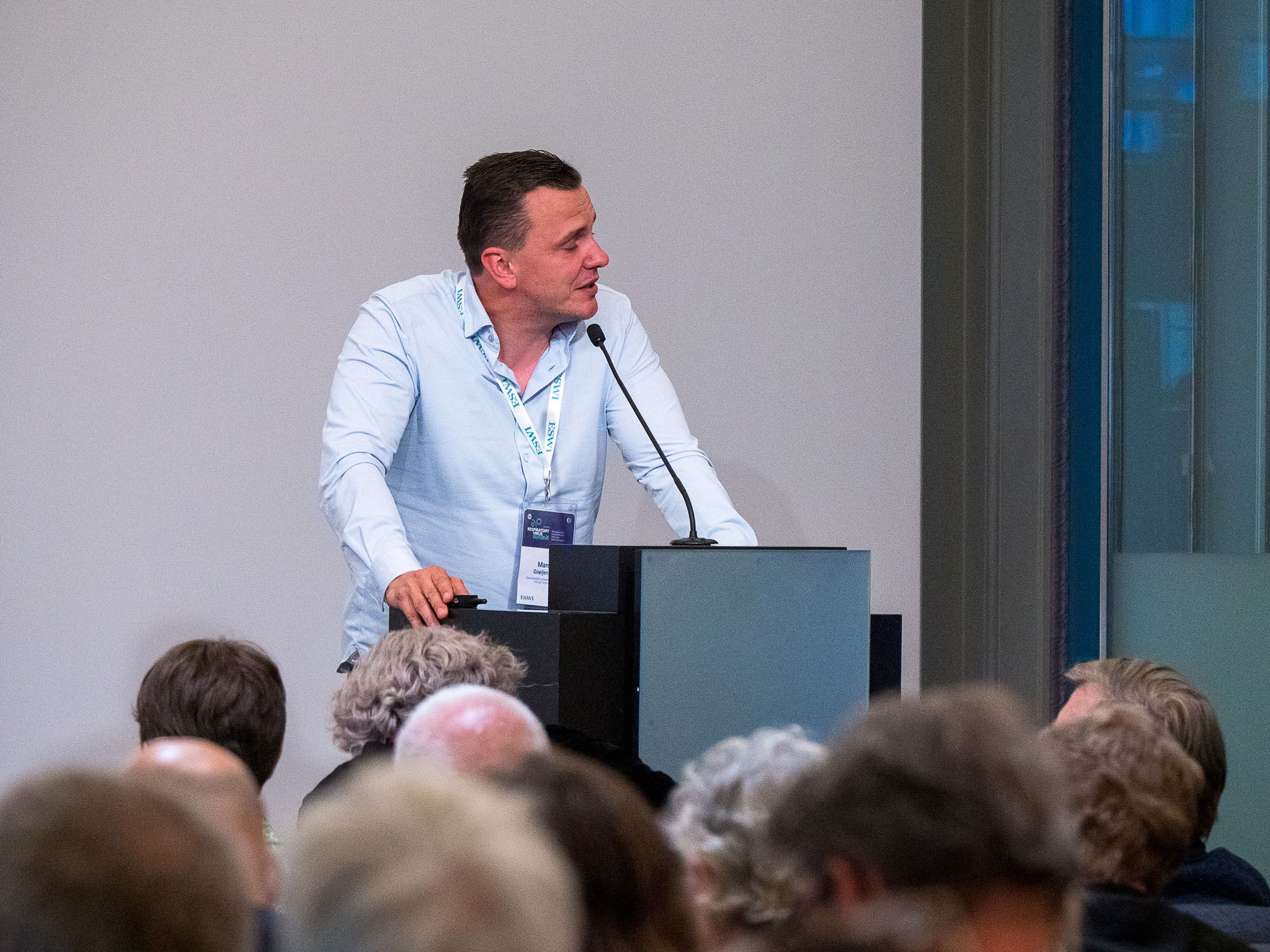
Marco Goeijenbier completed his Ph.D. in virology, focusing on "Haemostasis and Virus Infection," at Erasmus University Rotterdam in 2015. He currently serves as a specialist in acute internal medicine and critical care at Spaarne Hospital in Haarlem, The Netherlands. His expertise spans various aspects of infectious diseases, particularly in critical care medicine and viral infections. In addition to his clinical work, Goeijenbier holds a research position at Erasmus MC in Rotterdam, where he mentors PhD students exploring critical care medicine and viral infections. His research interests focus on severe acute respiratory infection (SARI) pathogenesis, epidemiology, and their interaction with the coagulation system.
Some of Goeijenbier’s most published articles include:
- Presence of procoagulant peripheral blood mononuclear cells in severe COVID-19 patients relate to ventilation perfusion mismatch and precede pulmonary embolism
- Determinants of vaccination uptake in risk populations: A comprehensive literature review.
- Benefits of flu vaccination for persons with diabetes mellitus.
- Early Patient-Triggered Pressure Support Breathing in Mechanically Ventilated Patients with COVID-19 May Be Associated with Lower Rates of Acute Kidney Injury
Dr. Goeijenbier is ESWI’s lead member and Chair in the Influenza Diabetes Community (IDC). The IDC connects leading diabetes, patient, scientific, and professional organizations around the common aim of protecting persons living with diabetes from influenza and other viral respiratory diseases like COVID-19.
Starting January 2023, Dr. Goeijenbier has taken on the role of Chair of Medical Research and Education at Spaarne Hospital. Furthermore, since January 2024, Marco is the Editor in Chief for Nature Springer Tropical Diseases, Travel Medicine, and Vaccines.
- The Hidden Burden: Chronic Diseases & Respiratory Viruses - Panel at the Respiratory Virus Summit 2026
- The Hidden Burden: Chronic Diseases & Respiratory Viruses - Keynote at the Respiratory Virus Summit 2026
- The Two-Way Street: When Respiratory Viruses Meet Chronic Illness
- When Infections Meet NCDs: The Bidirectional Relationship Between Cardiometabolic Conditions and Respiratory Viruses
- If you do not test, you will not know - a focus on COVID-19
- Essential skills and career prospects for early career scientists
- Uncovering the Contrasts and Connections in PASC: Viral Load and Cytokine Signatures in Acute COVID-19 versus Post-Acute Sequelae of SARS-CoV-2 (PASC)
- Can vaccinated individuals still get COVID?
- Is it dangerous to get an influenza and COVID-19 vaccine at the same time?
- Presence of procoagulant peripheral blood mononuclear cells in severe COVID-19 patients relate to ventilation perfusion mismatch and precede pulmonary embolism
- Burden of acute respiratory virus infections
- The Ninth ESWI Influenza Conference: Highlights
- The bidirectional relationship between influenza and diabetes mellitus
- Burden of disease - Long-Covid and other post-infection syndromes
- Virus infections, blood clots and bleeding
- Spotlight on the burden of flu for people living with diabetes
- What about respiratory virus infections? Prevention for people living with diabetes in Covid times
- COVID-19 Treatment and Medication
- Influenza in persons living with diabetes: Pathogenesis and prevention
Nationality: Italian
Position: Research Director, CNR Ageing Branch, Neuroscience Institute, Padova (Italy)
Research Fields: Clinical epidemiology and geriatrics. Main focus on lifelong approach to healthy ageing
ESWI member since 2022
Dr. Stefania Maggi received her degree in Medicine and Surgery from the University of Padua, Italy in 1983. She also attended the Graduate School of Geriatrics and Gerontology from the same University until 1987 and in 1988 she received her Master in Public Health from John Hopkins University in Baltimore (USA). Dr. Maggi also holds a PhD in Clinical Pathophysiology from the University of Padua, which she received in 2000.
Dr. Maggi has a specific interest in the epidemiology of ageing and in the analysis of factors promoting health ageing in a lifelong approach. From 1983-1985, Dr. Maggi worked as an attending physician at the Internal Medicine Department for the University Hospital in Padua before she spent the years of 1988-1989 as a postdoctoral fellow at the National Institute of Arthritis and Musculoskeletal and Skin Diseases (NIAMS), for the National Institute of Health (NIH) in Bethesda, Maryland (USA). From 1989-1993, she worked as the Coordinator for the WHO Program on Ageing, before she moved on to work as a researcher in the Ageing branch at the Institute of Neuroscience, Consiglio Nazionale Delle Ricerche (CNR), Padua. Dr. Maggi worked as a researcher from 1993-2007 before becoming Research Director for the same branch and institute, in 2007, a position she currently holds. In this position, she coordinates several national and international research projects on nutrition, vaccines and lifestyle as key factors for promoting healthy ageing. Dr. Maggi is also an Adjunct Professor in the Graduate Schools of Geriatric Medicine at the University of Padua, which she has been since 2000.
Moreover, Dr. Maggi is the Editor in Chief of “Ageing Clinical and Experimental Research” (Springer) and has more than 800 publications, both in peer-reviewed journals and many book chapters.
- The Value of Immunisation: Policy & Economics - Policy Panel: Inequalities and Implementation in the EU
- The Value of Immunisation: Policy & Economics - Fireside chat: The Economics of Prevention
- The Hidden Burden: Chronic Diseases & Respiratory Viruses - Panel at the Respiratory Virus Summit 2026
- Europe needs a Life Course Immunisation Strategy
- ESWI invites coalition partners: Life Course Immunisation: A Seamless Approach to Protection Across All Ages
- Association between vaccinations and risk of dementia: a systematic review and meta-analysis
- Burden of disease in acute respiratory virus infections
- ESWI invites coalition partners: Life Course Immunisation: A Seamless Approach to Protection Across All Ages
- RSV - the bumpy road towards a vaccine
- Will individuals need an annual COVID-19 vaccination?
- What are the risks of RSV infections for older individuals?
- ESWI Respiratory Virus Summit 2024 recap video
- Welcome By The Co-Chairs at the Respiratory Virus Summit 2024
- Burden of acute respiratory virus infections
- ESWI Respiratory Virus Summit 2024
- Communication: Raising awareness on the burden of disease
- ESWI Symposium: RSV Looking towards the future
- Burden of disease - A focus on acute respiratory viruses in older adults
- RSV looking towards the future
- Respiratory Virus Summit 2023
- A geriatrician's insight into reducing the burden of disease in older adults
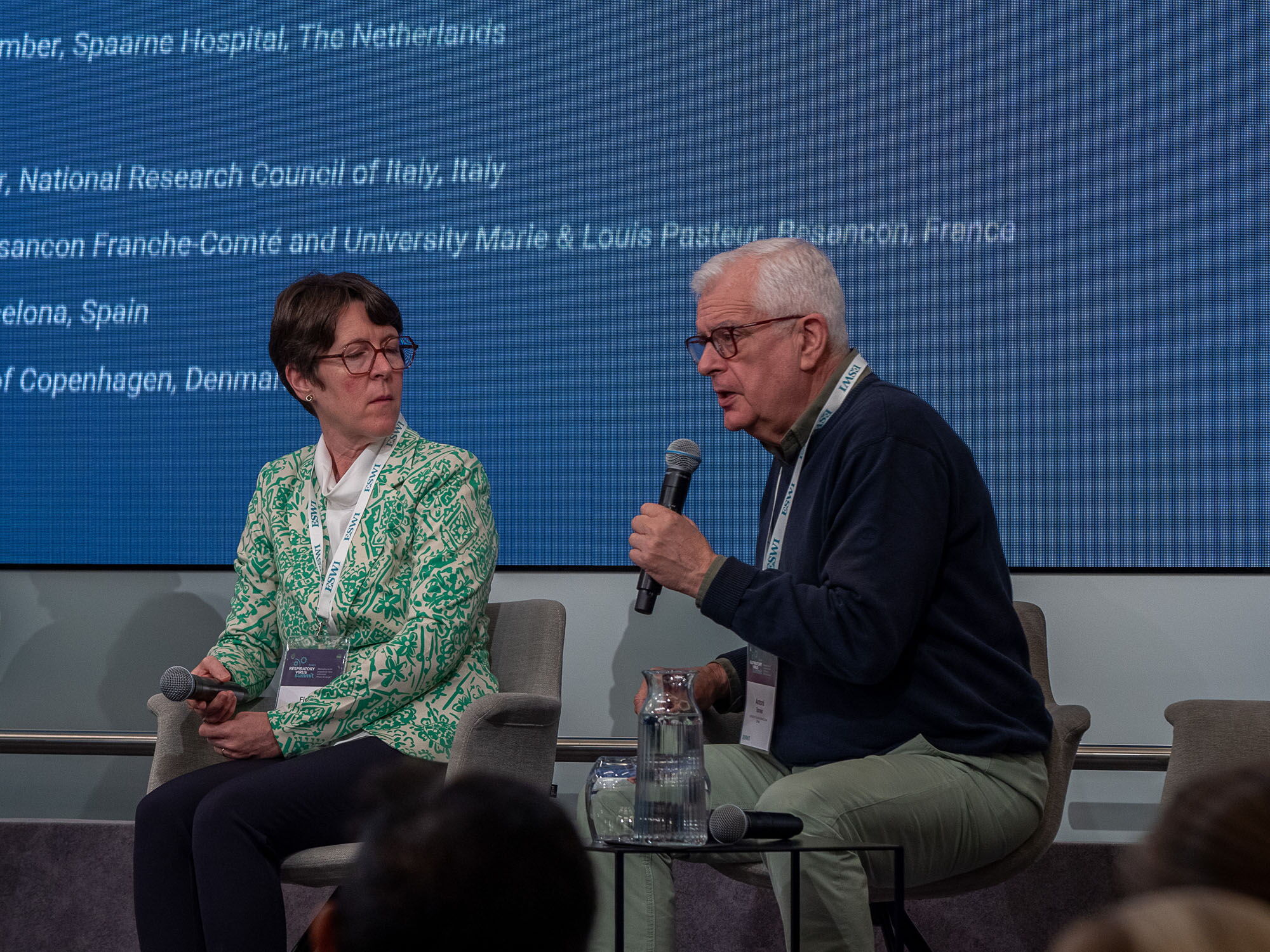
Originally from Dublin, Ireland, Dr. Fiona Ecarnot works as a researcher at the Cardiology Department of the University Hospital of Besançon, France, and affiliated with the SINERGIES research laboratory at the University Marie & Louis Pasteur, Besqnçon, France.
She received an MSc in biostatistics and epidemiology from the University of Franche-Comté, Besançon, and obtained a PhD at the same university in 2019 in the field of cardiovascular sciences, focussing on the use of qualitative research methods in the field of cardiology.
She qualified as a director of doctoral research in 2024. Her research areas include vaccines, geriatrics and gerontology, ethics in healthcare, palliative care, and end-of- life issues.
She has authored or co-authored over 100 articles in peer-reviewed journals, plus numerous book chapters.
Dr Torres Marti is the Medical Doctor, of the Department of Pulmonology and Respiratory Allergy, Clinical Institute of Thorax, Hospital Clínic of Barcelona, University of Barcelona. He is also a Professor of Medicine in the Faculty of Medicine, University of Barcelona, Spain.
He is the Chief of the Respiratory Intensive Care Unit of Hospital Clínic of Barcelona and Coordinator of all ICU’s at the Clinic Thorax Institute of Hospital Clínic of Barcelona. He is the Director of 33 PhD programs. Dr Torres is currently participating in 8 European Union projects and has participated in 29 research projects supported by public funding’s. His previous appointments include Head of the Department of Pneumology and Respiratory Allergy of the Hospital Clínic of Barcelona (2004–2010).
Professor Torres attained his degree in medicine from the University of Barcelona and his residency in Pneumology in the Hospital Clínic of Barcelona. His other specialities include: internal medicine, laboral medicine and intensive care. Professor Torres also has a Masters in Hospital Management from the University of Barcelona. He is an active member in many medical societies; and was previously Vice President of the Spanish Society of Pneumology and Thoracic Surgery and Chairman of the Respiratory Intensive Care Assembly of the European Respiratory Society. He was also nominated for the Vice-presidency of the European Respiratory Society in 2011 and 2012.
Professor Torres has received many awards for scientific achievement, the most recent being a Fellowship of the European Respiratory Society in 2014 for his contribution to research in the respiratory field.
He is Associate Editor of several journals including European Respiratory Journal, Thorax, Intensive Care Med, BMC infectious Diseases and Seminars in Respiratory and Critical Care Medicine. He is also on the editorial board of many journals including the American Journal of Respiratory, Critical Care, Chest, Critical Care Medicine and Journal of COPD. He has also authored or co-authored 420 original articles and 188 book chapters.
Dr. Biering-Sørensen holds a distinguished academic background, having obtained his medical degree in 2011 and his Ph.D. degree in 2015 from the University of Copenhagen. He furthered his education with a Master of Public Health from Harvard University in 2018 and a Master of Science in Clinical Trials from the University of Oxford in 2023.
He is the Founding Head of the Center for Translational Cardiology and Pragmatic Randomized Trials (CTCPR), a collaboration between Copenhagen University Hospital Herlev-Gentofte and the Department of Biomedical Sciences, Faculty of Health and Medical Sciences, University of Copenhagen. Furthermore, he is the Founding Head of the Cardiovascular Non-Invasive Imaging Research Laboratory (CIRL), which is world-renowned for its innovative research in cardiac imaging.
Together with his research group at CTCPR and CIRL which consists of more than 50 affiliated researchers, Dr. Biering-Sørensen conducts extensive investigations into the efficacy of cardiovascular imaging techniques to enhance individualized risk prediction. Moreover, he has initiated several large-scale pragmatic randomized trials utilizing the resources of the nationwide Danish registries, thereby contributing significantly to the advancement of pragmatic trial methodologies.
Additionally, in his capacity as an academic leader, he has been awarded some of the most prestigious research awards in Denmark but also internationally, he has published more than 350 scientific publications and he provides mentorship to numerous medical students, PhD students, and postdoctoral researchers, offering guidance in various aspects of clinical research, with a particular focus on cardiovascular imaging, randomized trials, heart failure, and the effects of infections on cardiovascular outcomes.
Research topics
- Cardiovascular Imaging
- Heart Failure
- Infections effect on cardiovascular outcomes
- Randomized clinical trials