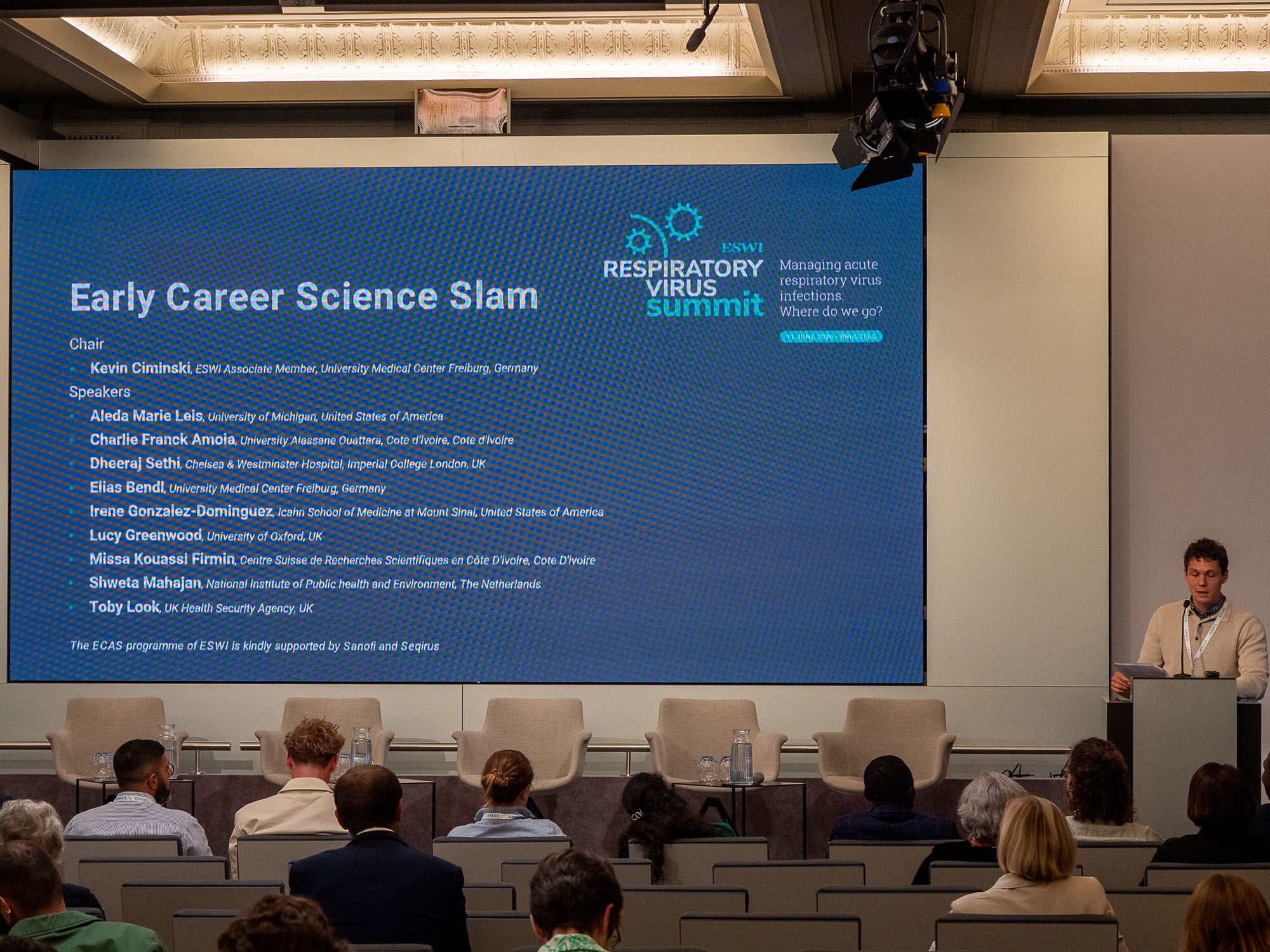
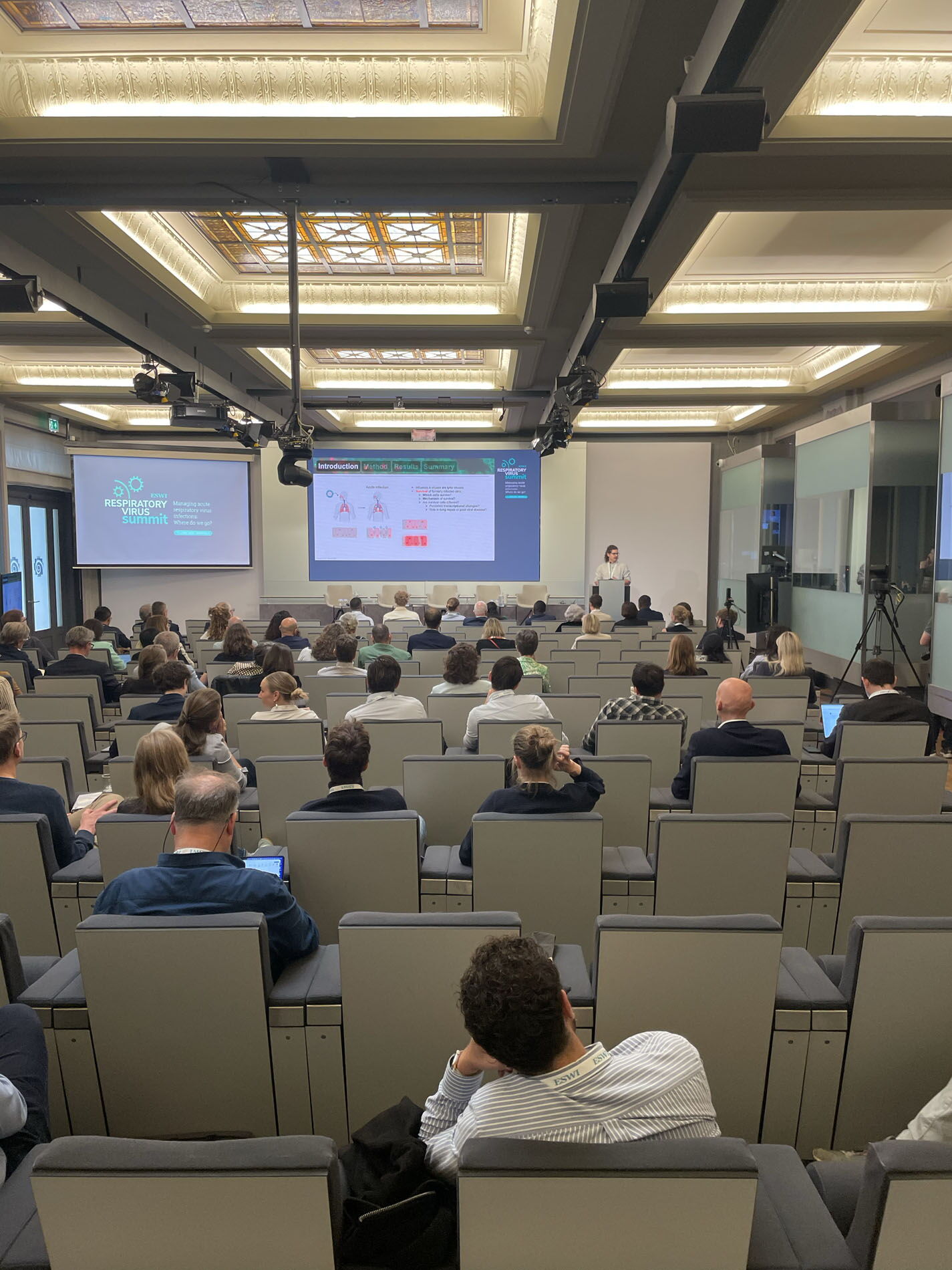
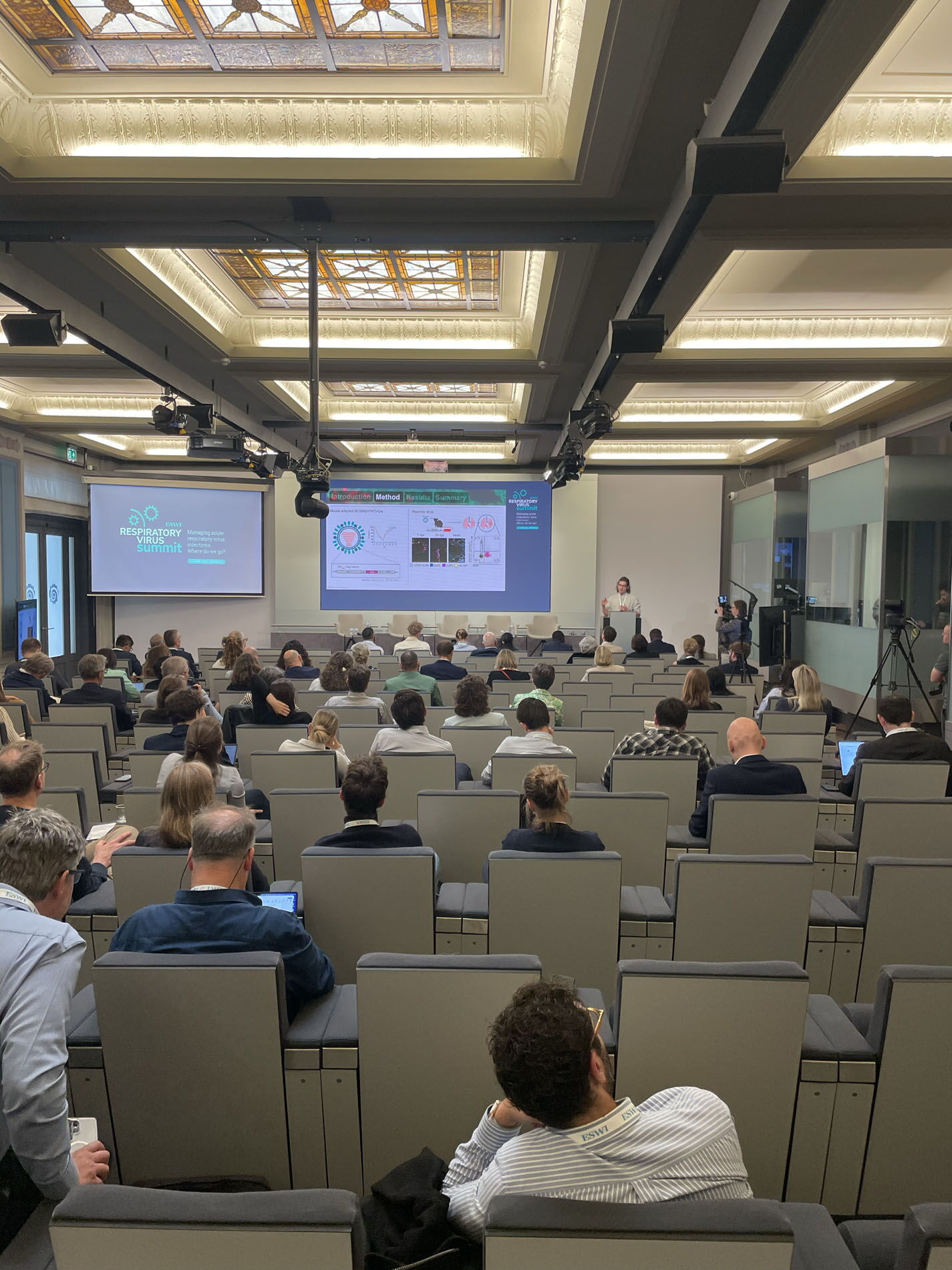
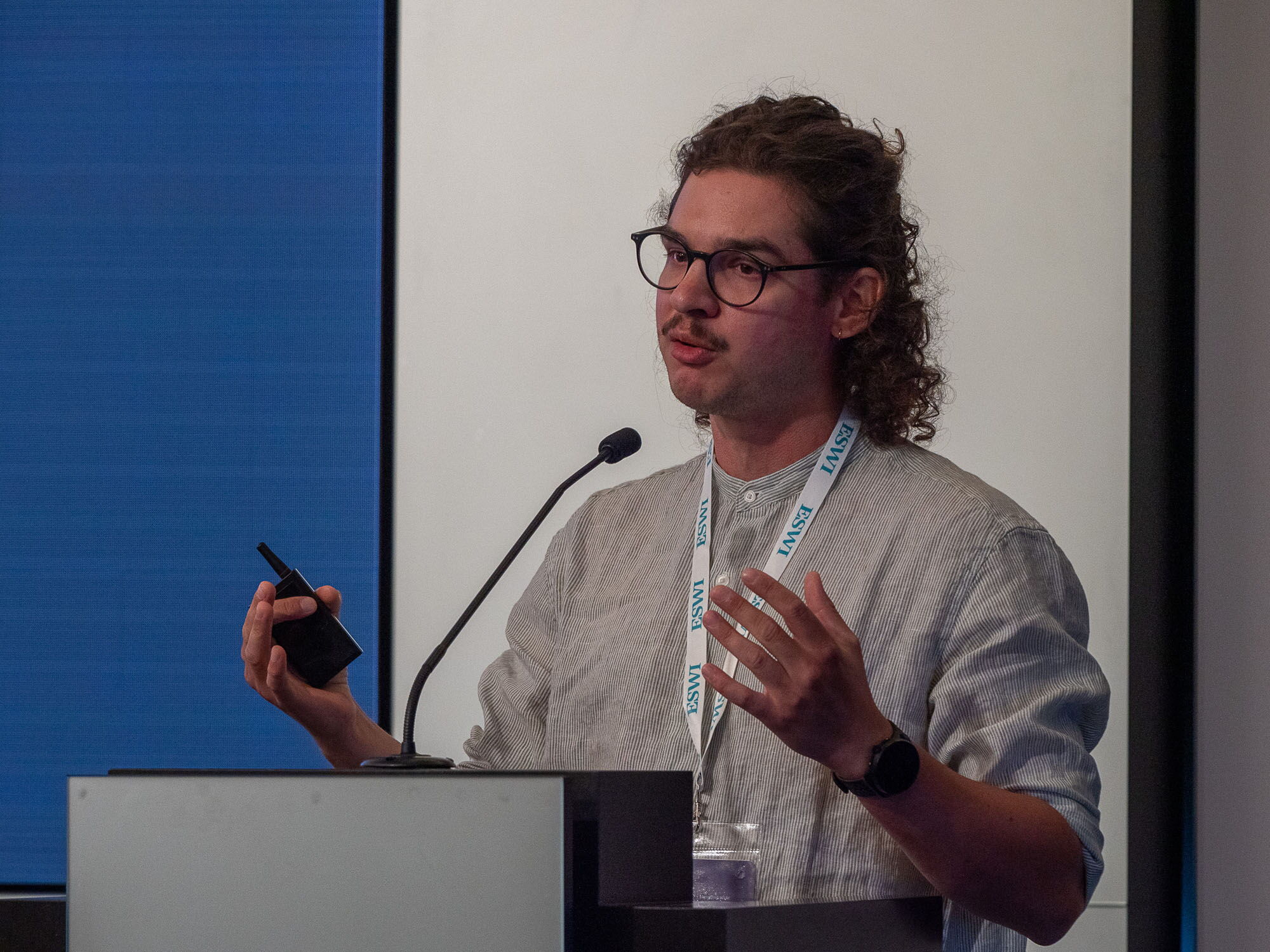
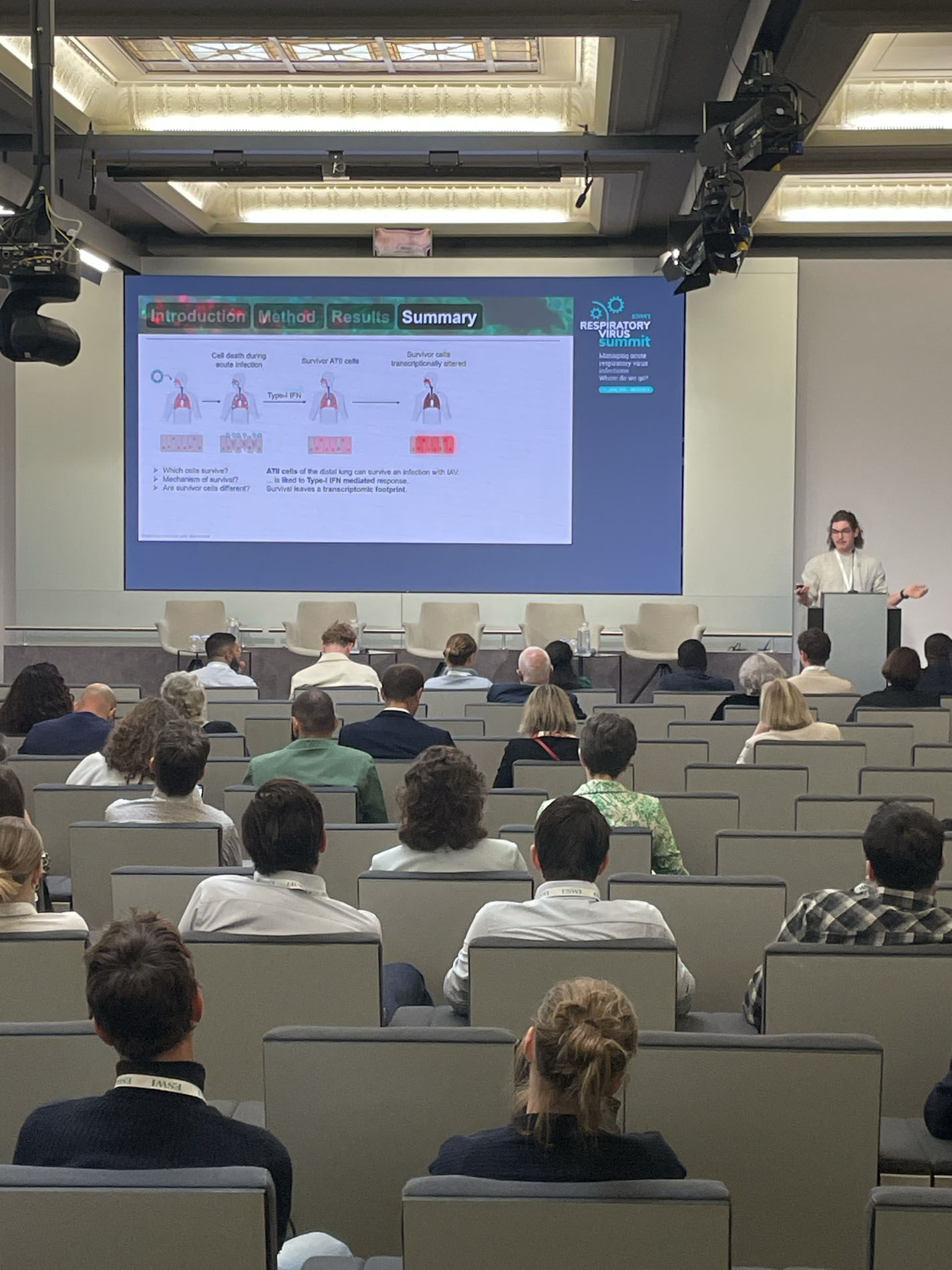
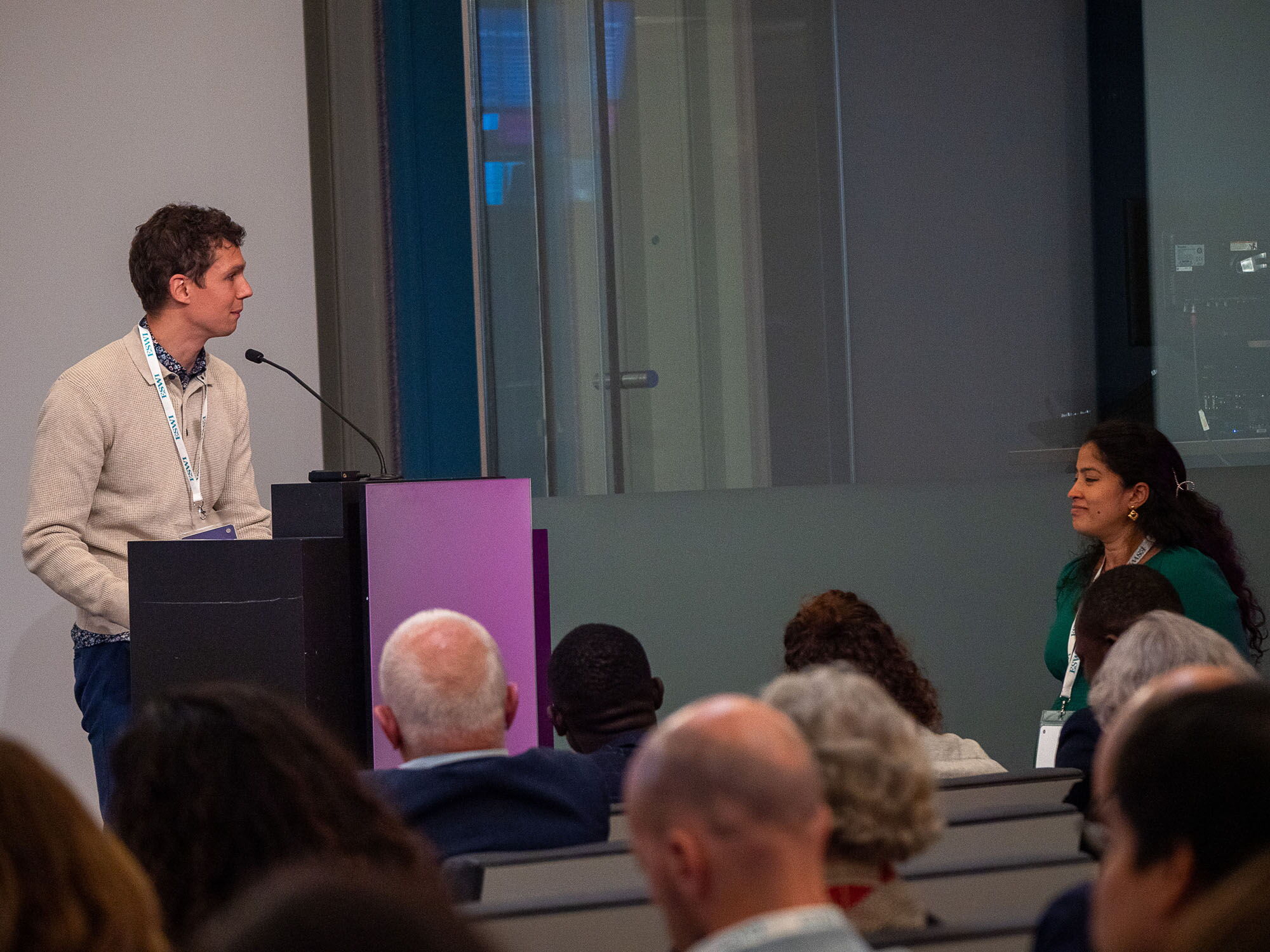
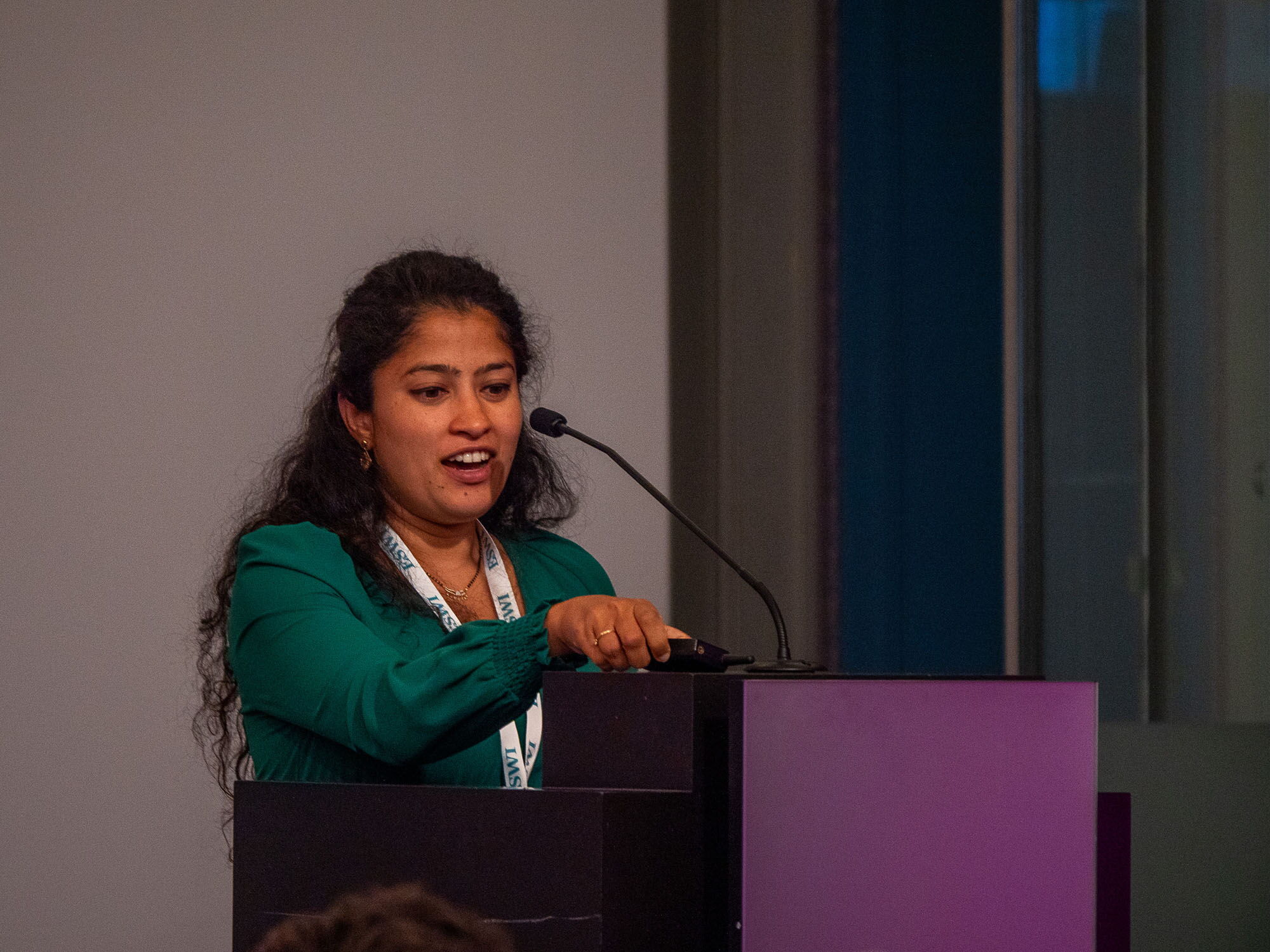
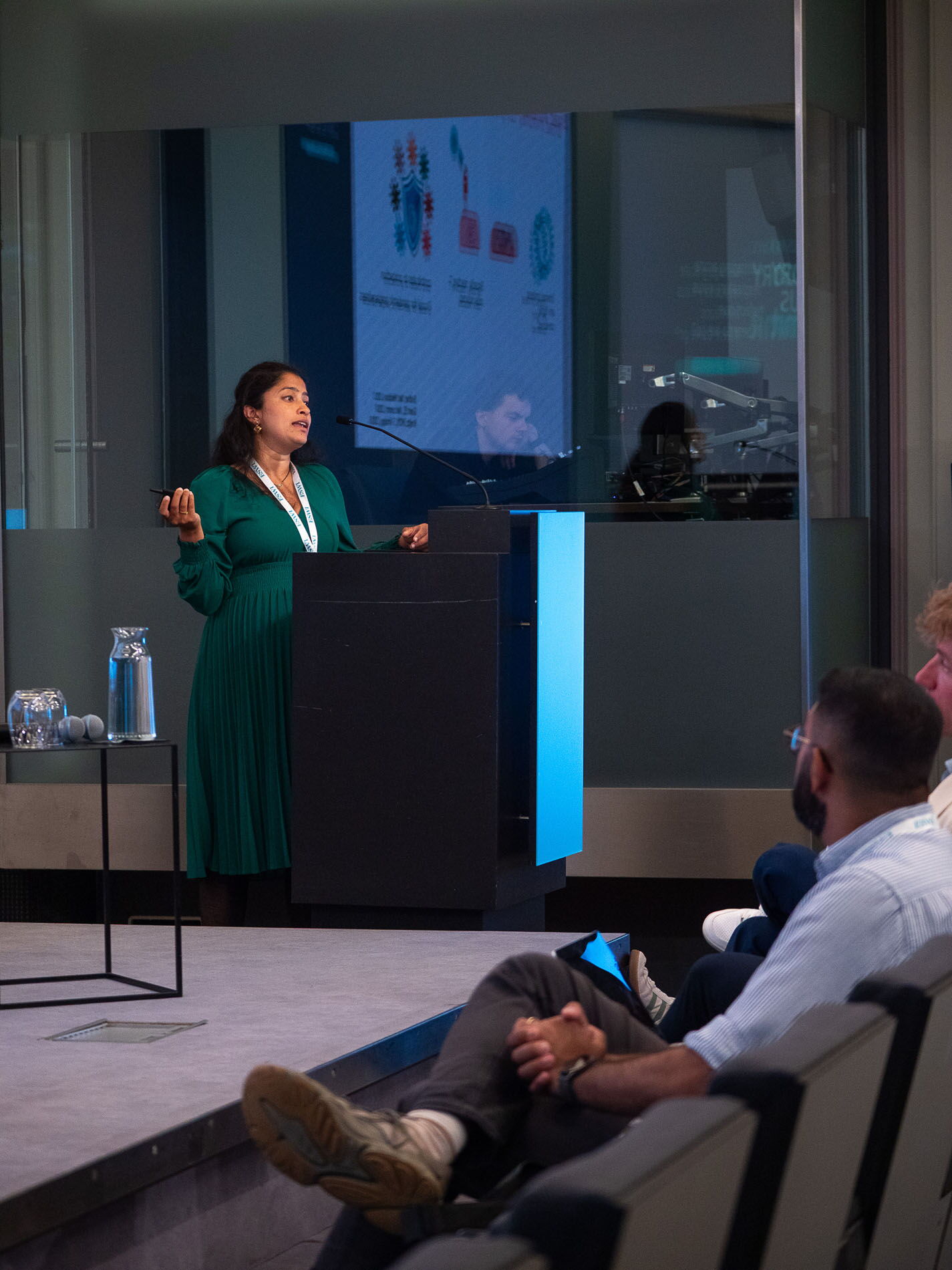
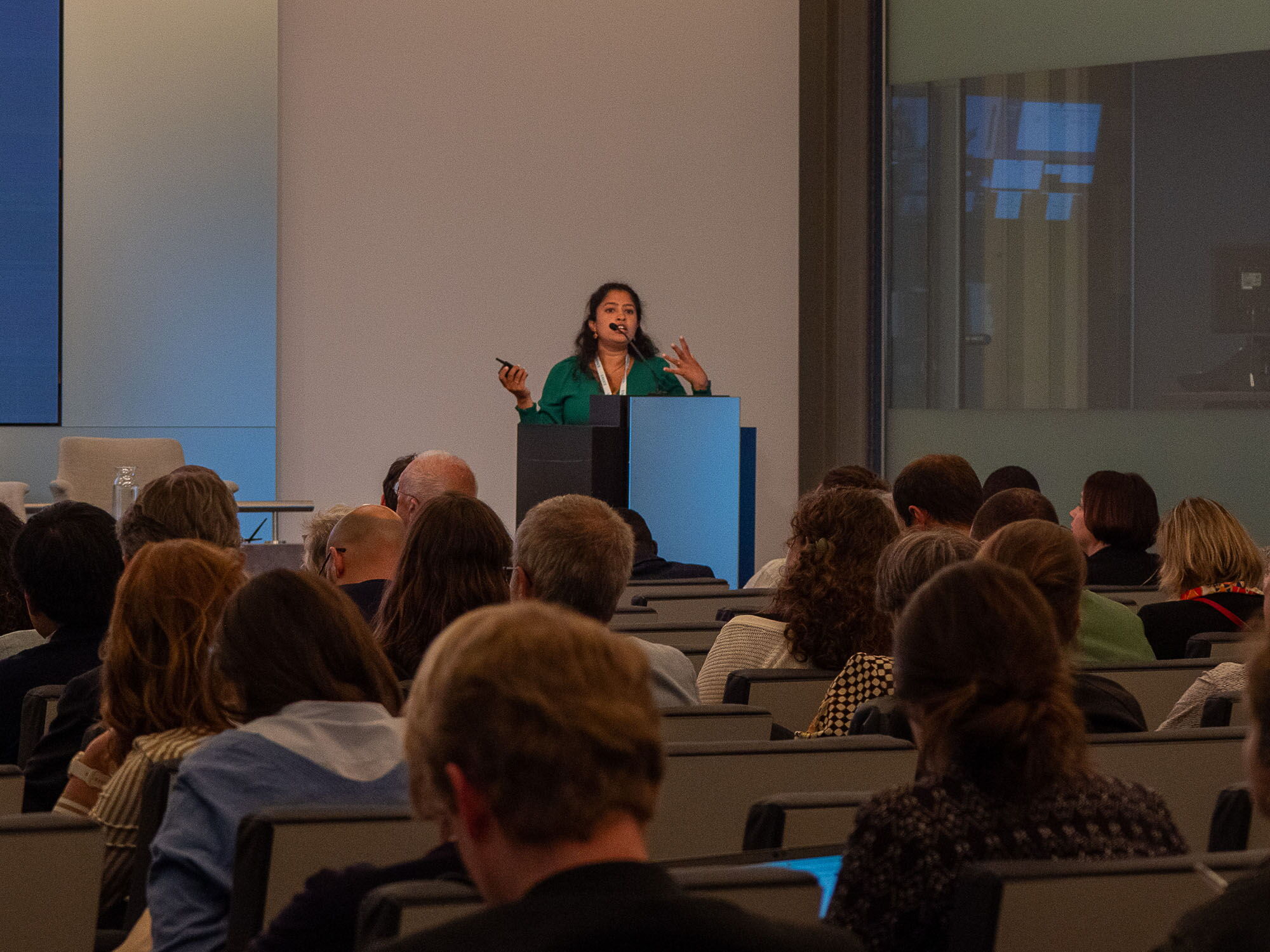
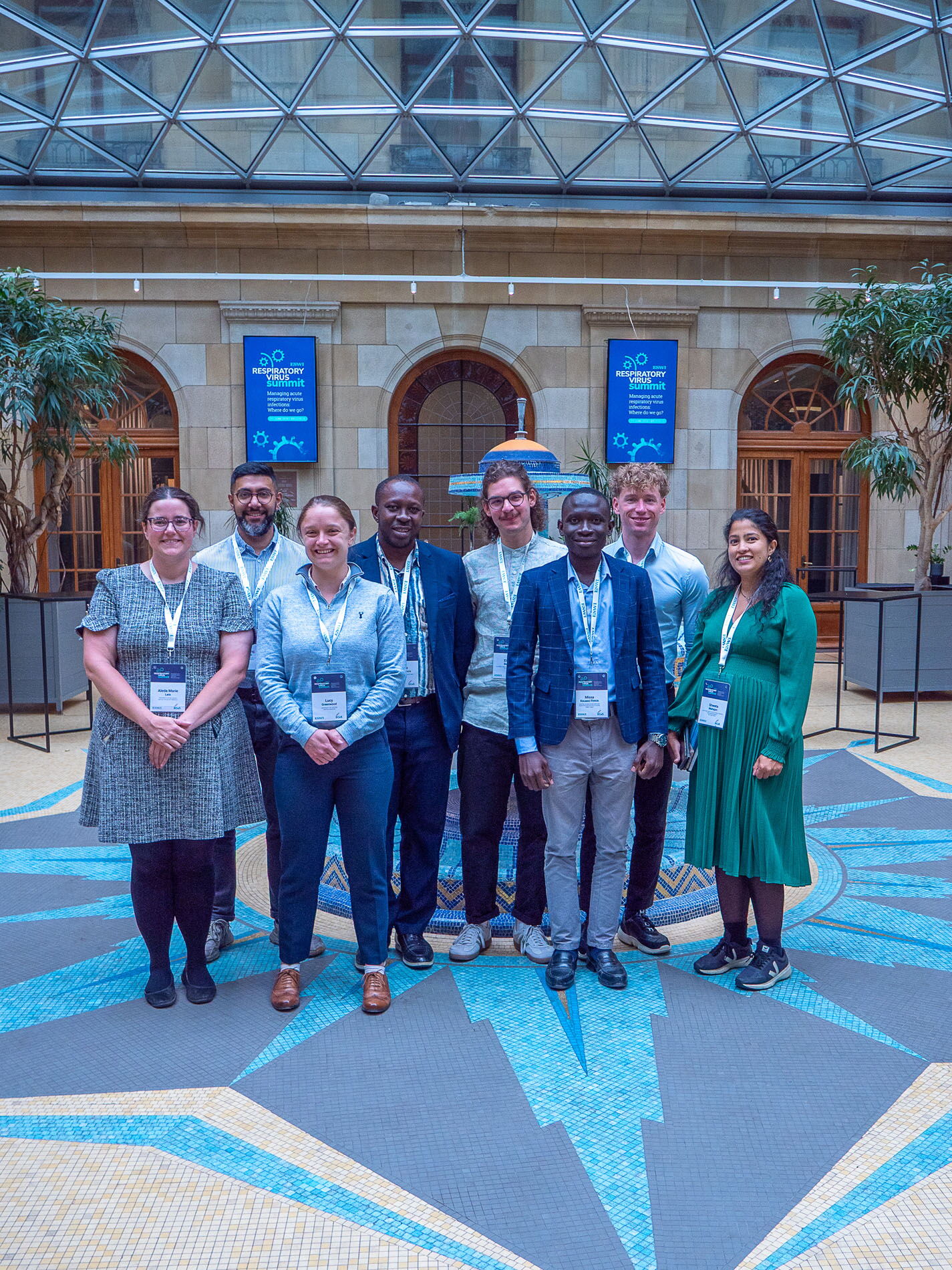
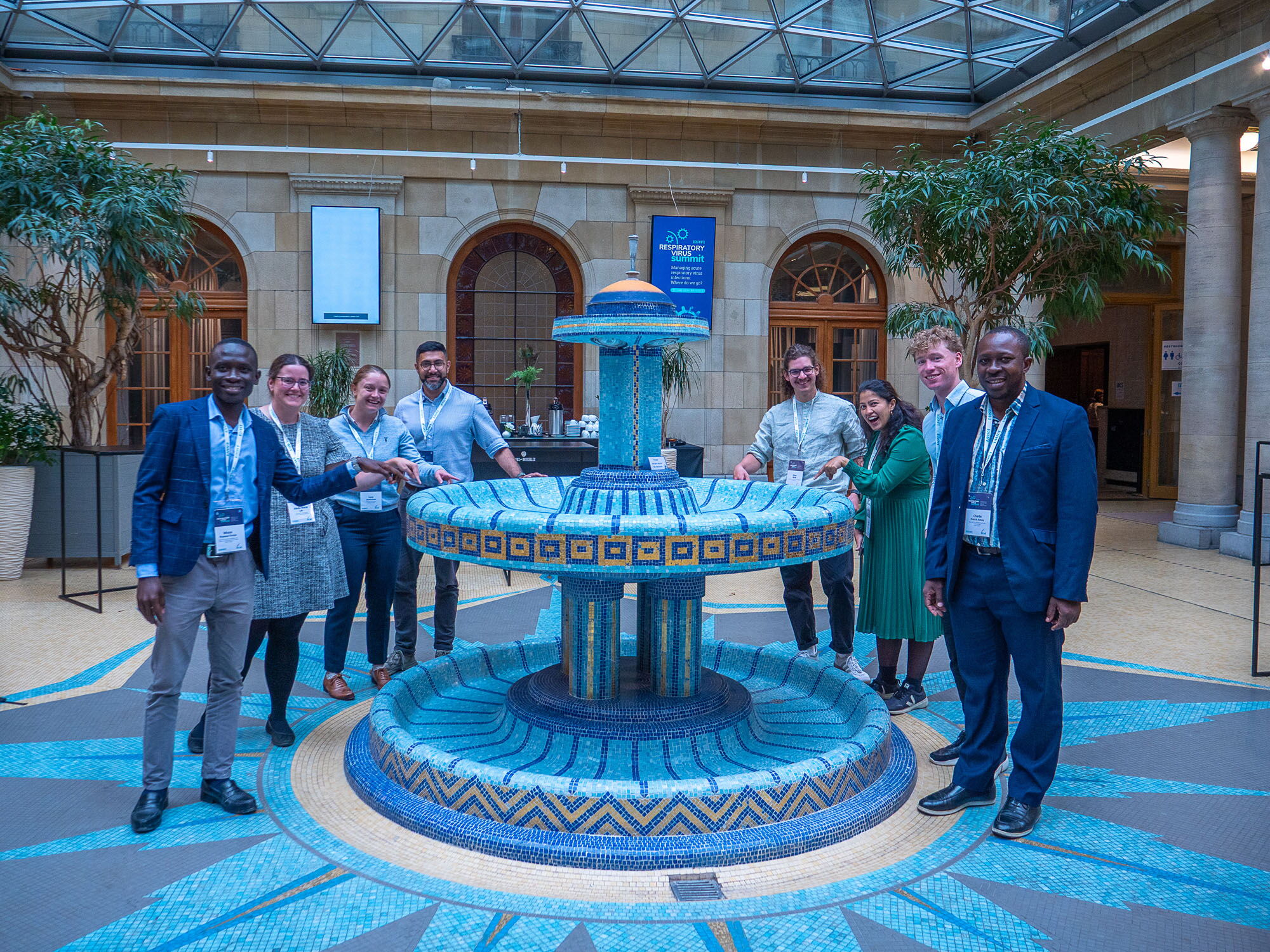
Early Career Science Slam at the Respiratory Virus Summit 2026
Goto: Video on demand | Programme | Presentations | Gallery | Speakers
Video on demand
Programme
Presentations
| File | Type | Size |
|---|---|---|
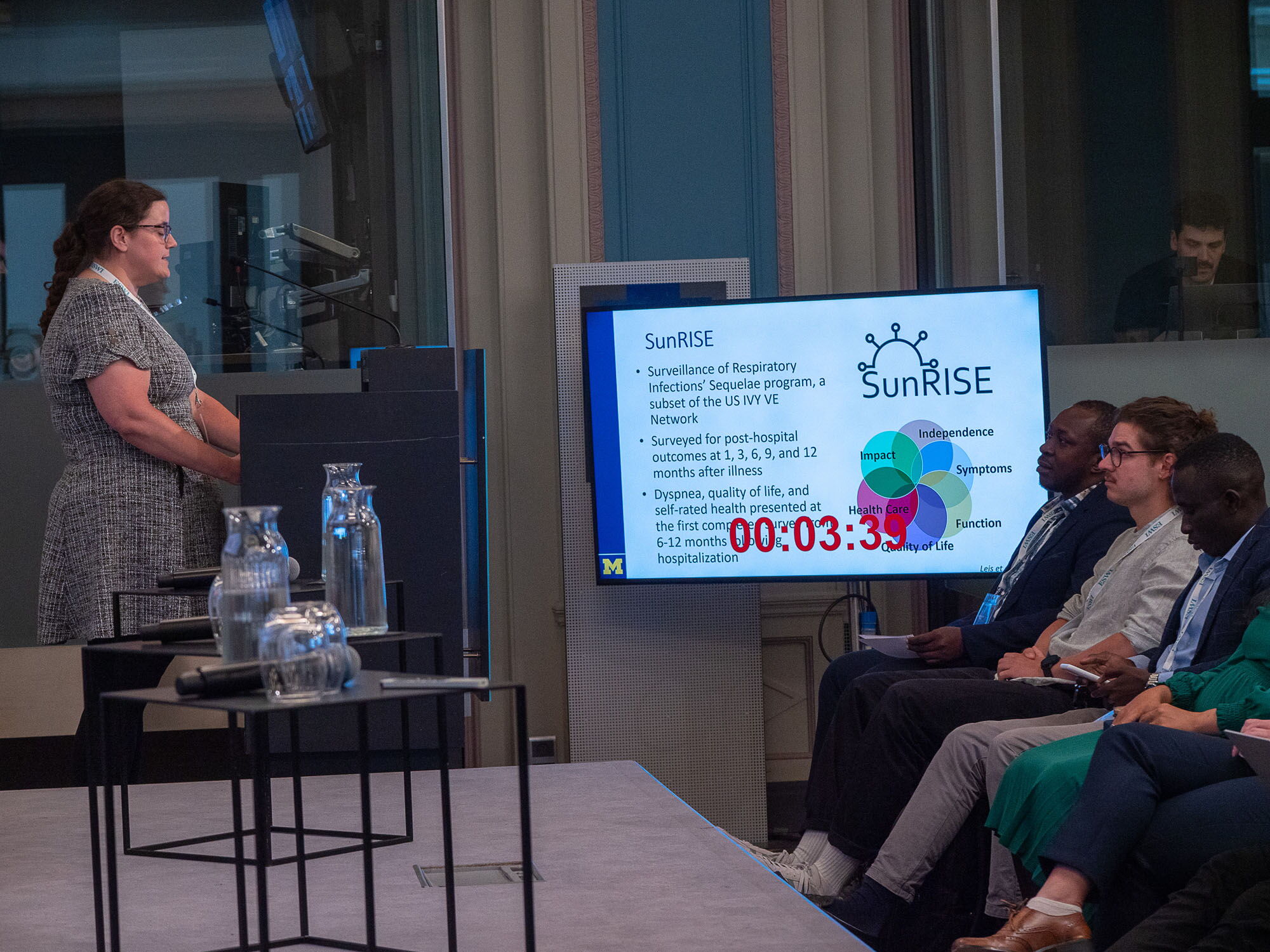
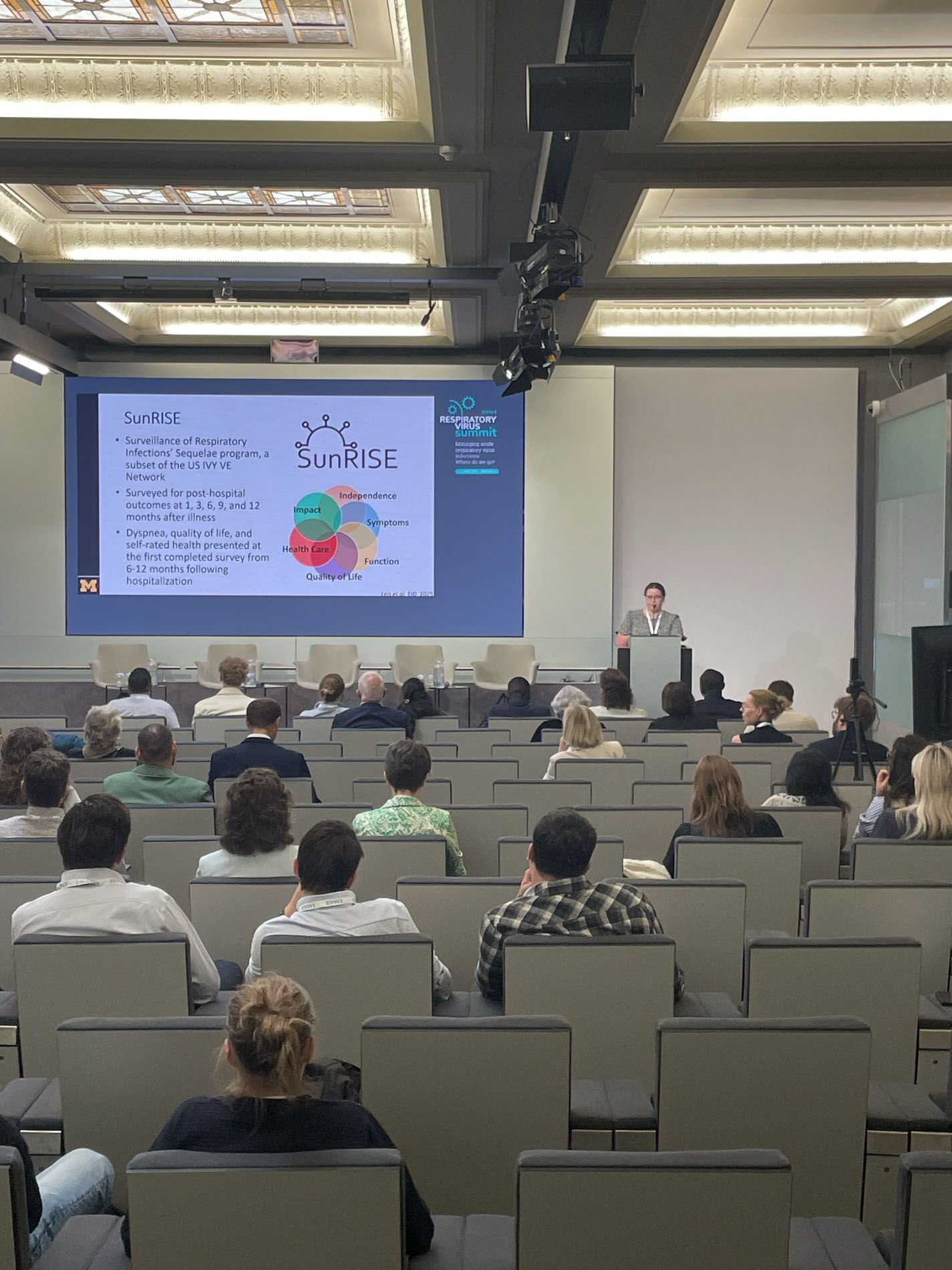
| Aleda Leis - Long-Term Illness in Adults Hospitalized with RSV Disease.pdf | Adobe Portable Document Format | 975.1 KB |
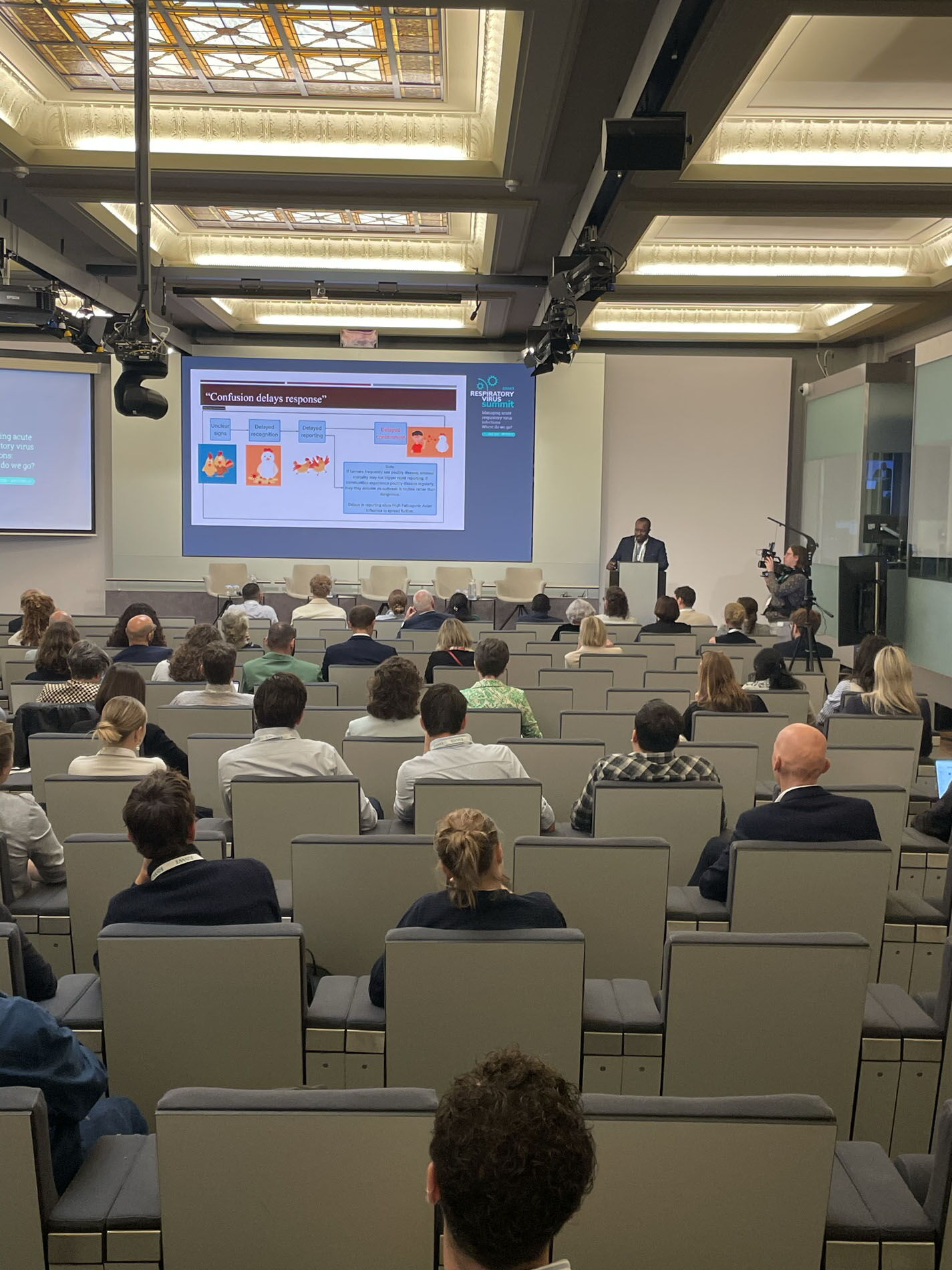
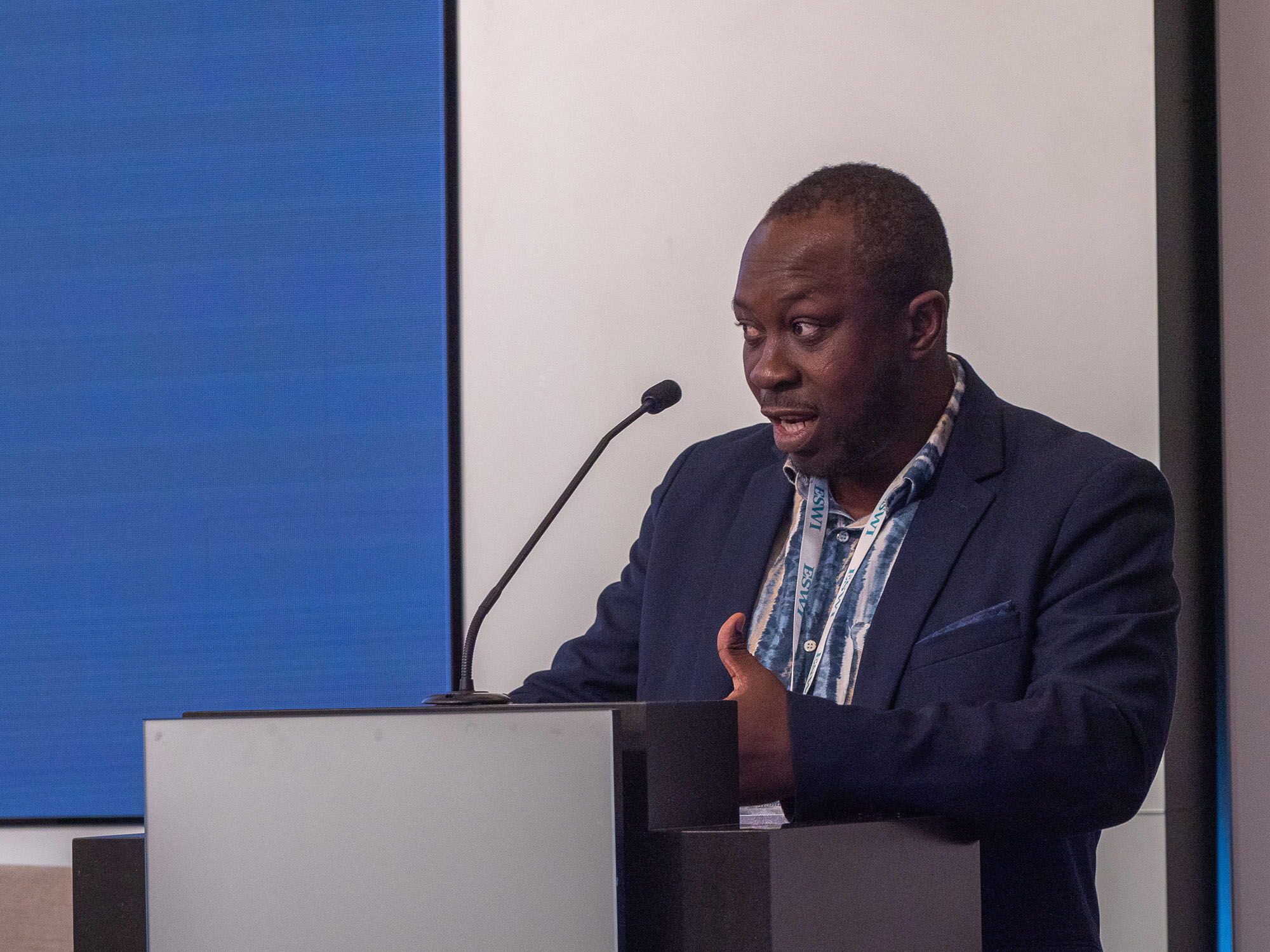
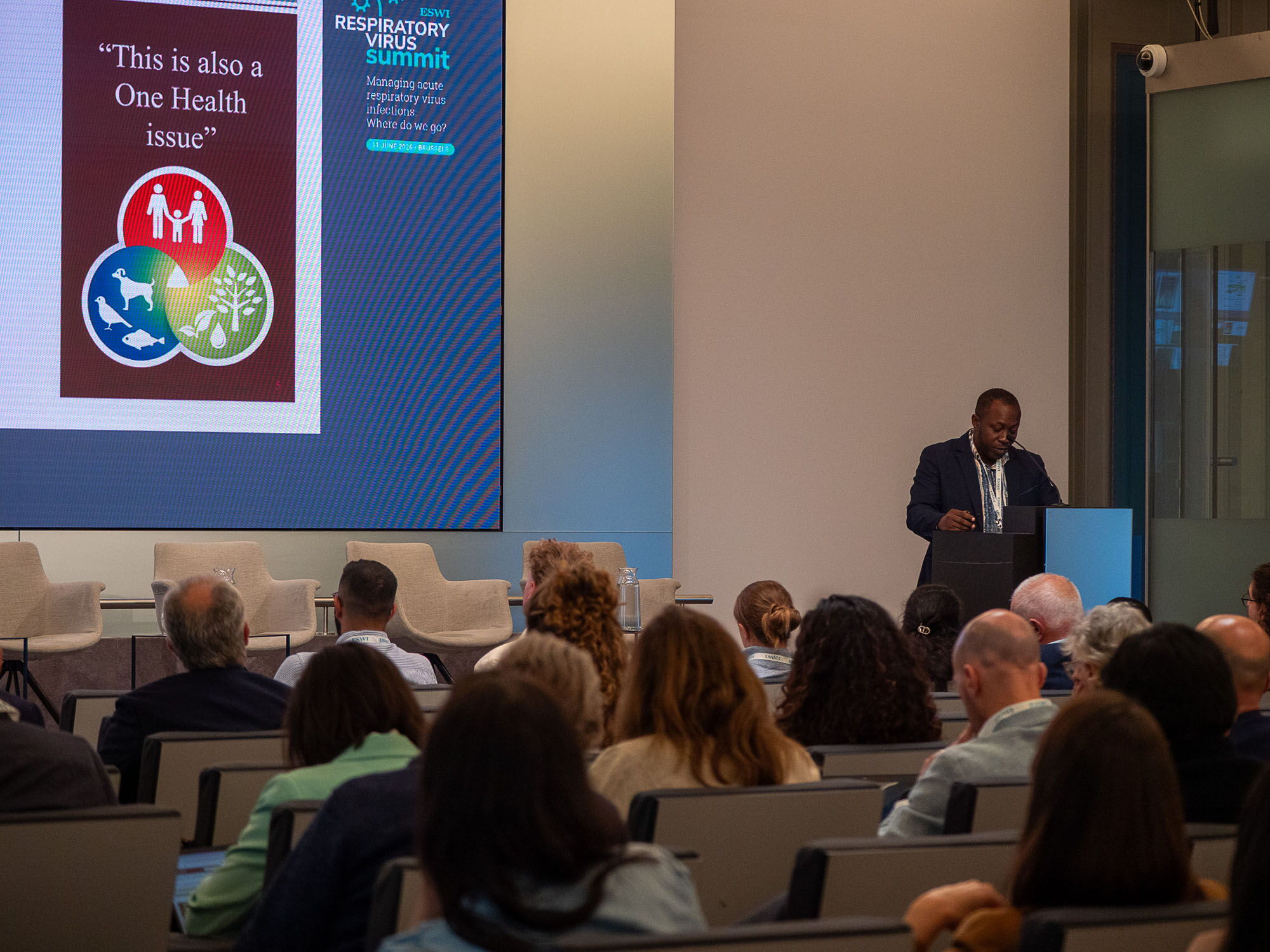
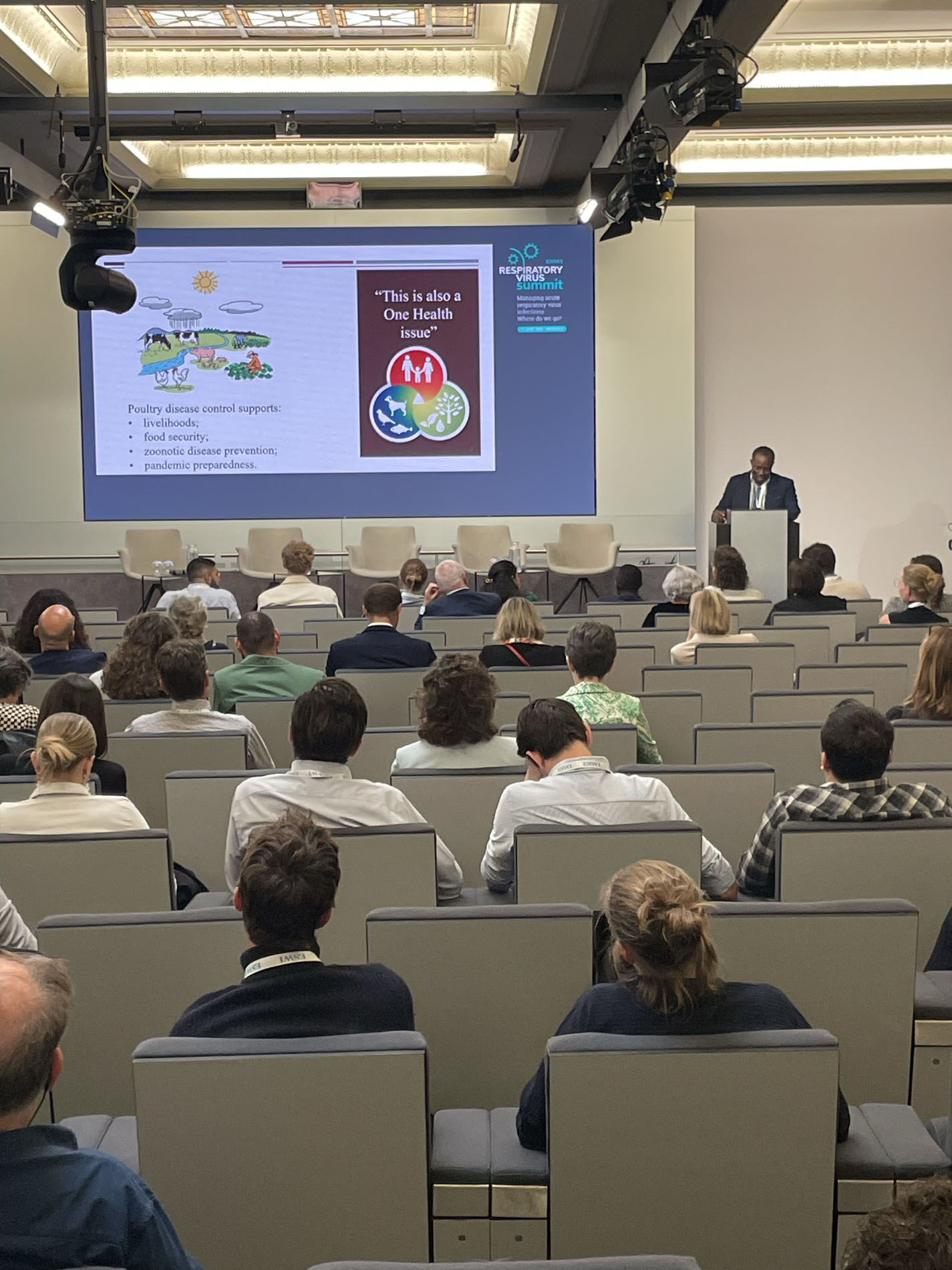
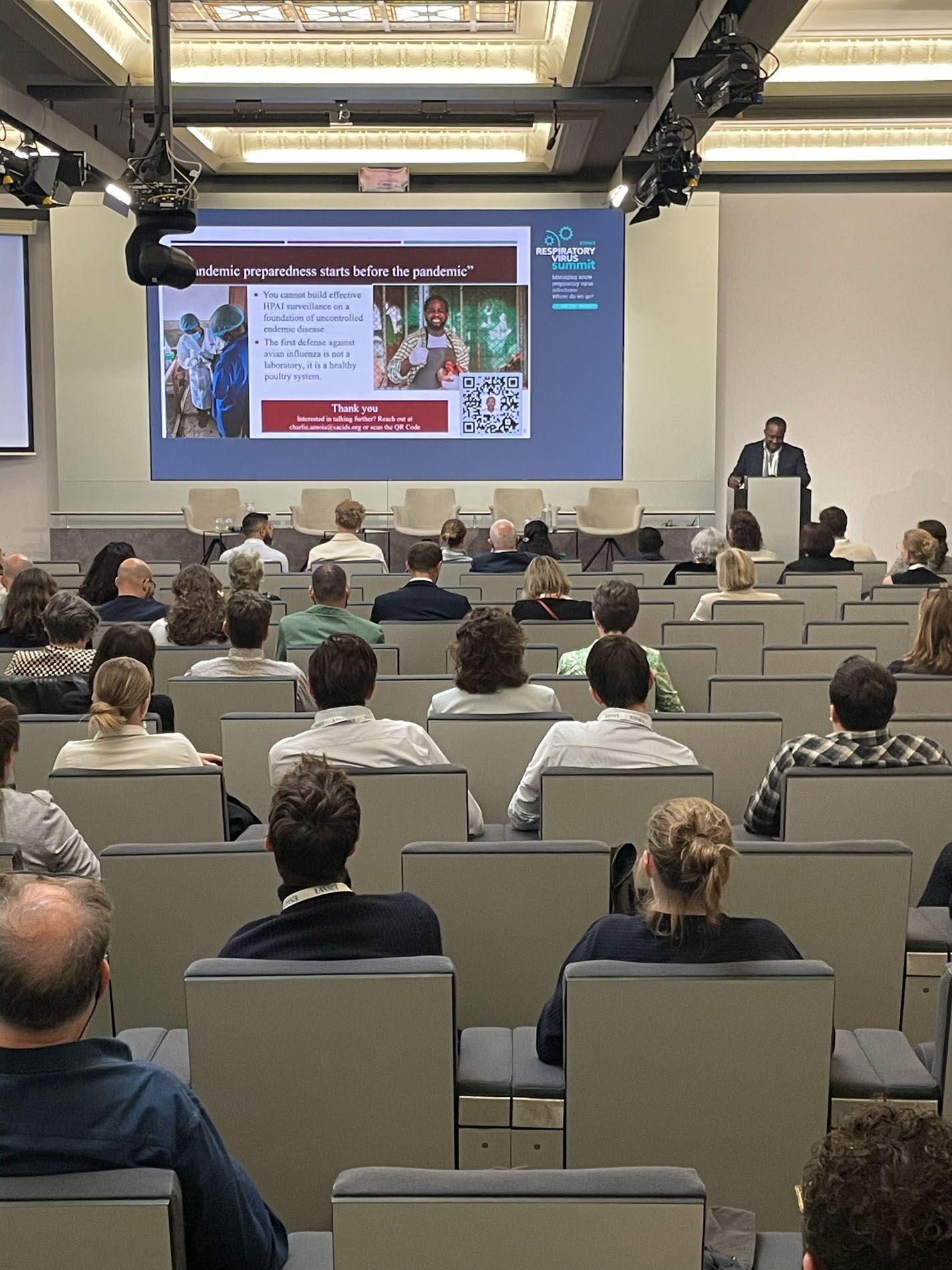
| Charlie Franck Amoia - Effective control of highly pathogenic avian influenza.pdf | Adobe Portable Document Format | 730.1 KB |
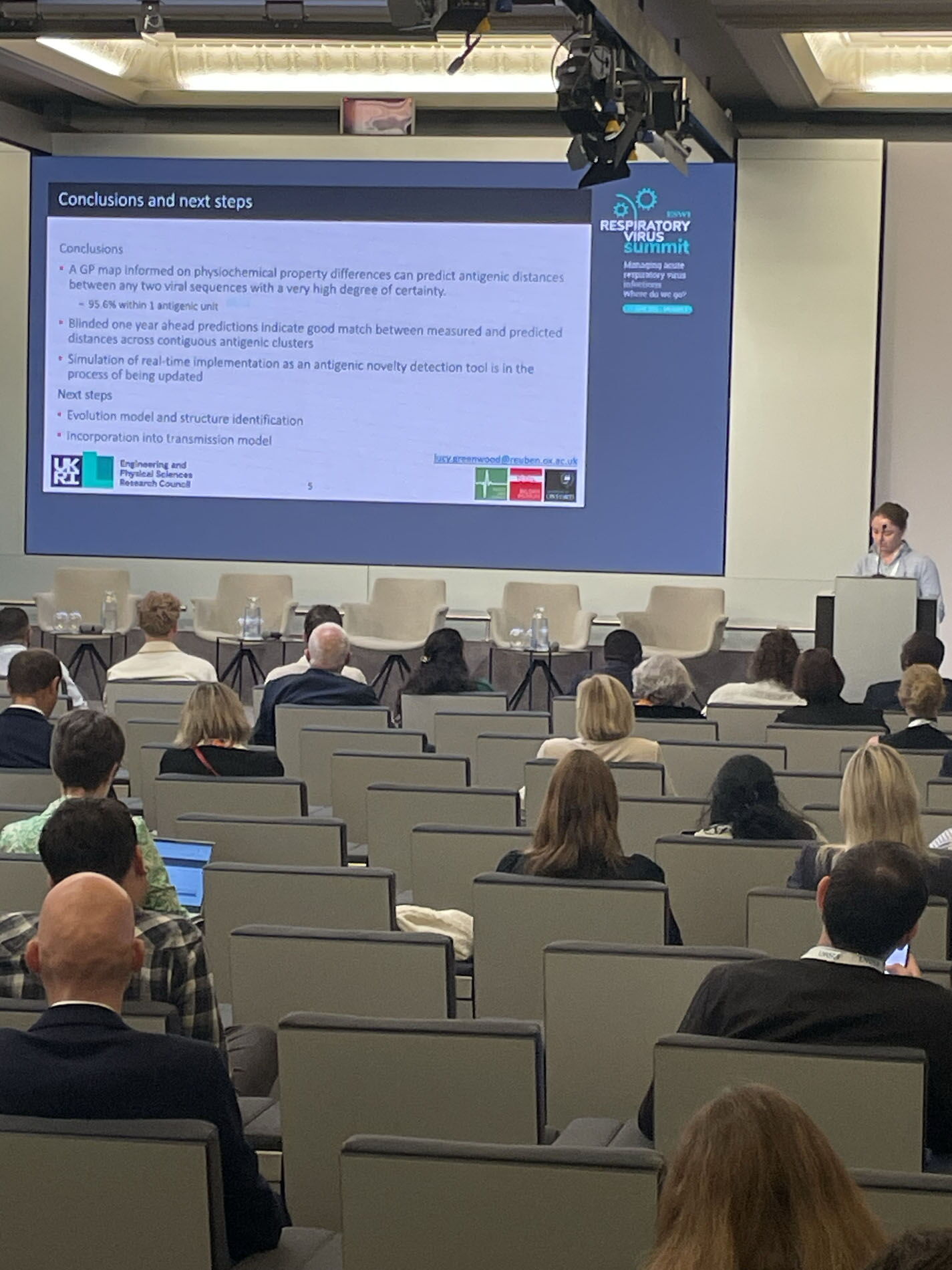
| Lucy Greenwood - Investigating the predictive power of machine learning.pdf | Adobe Portable Document Format | 586.3 KB |
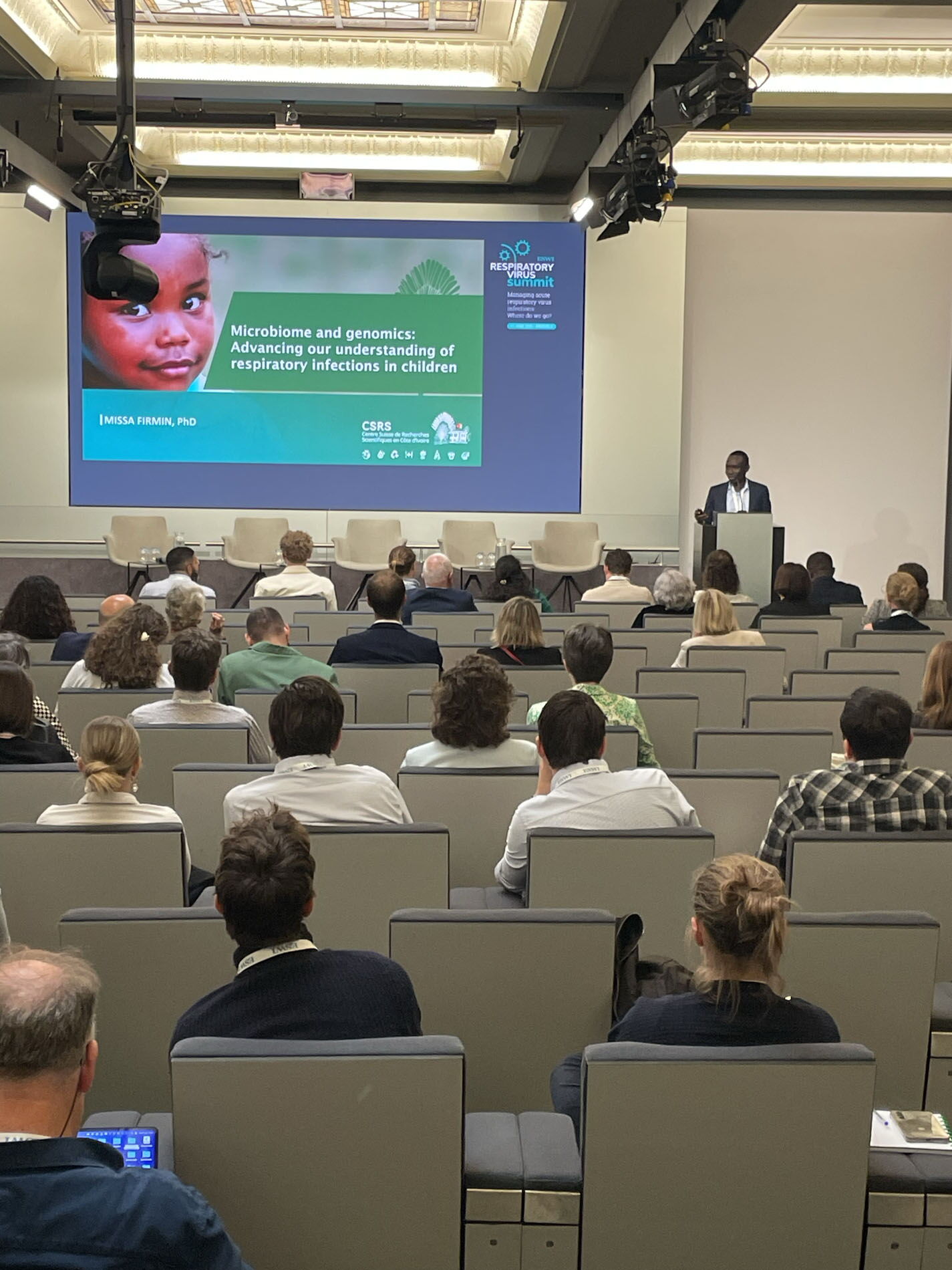
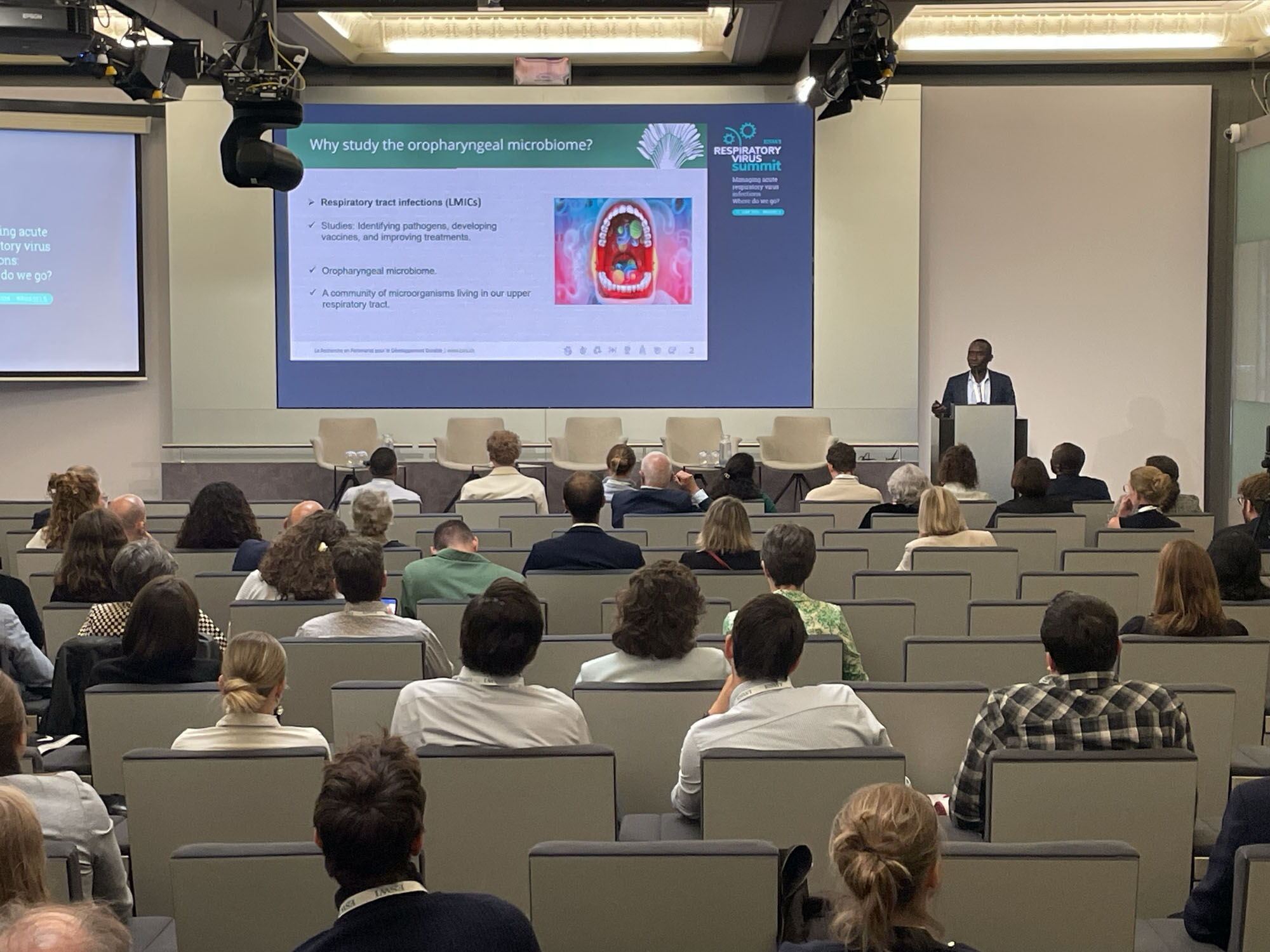
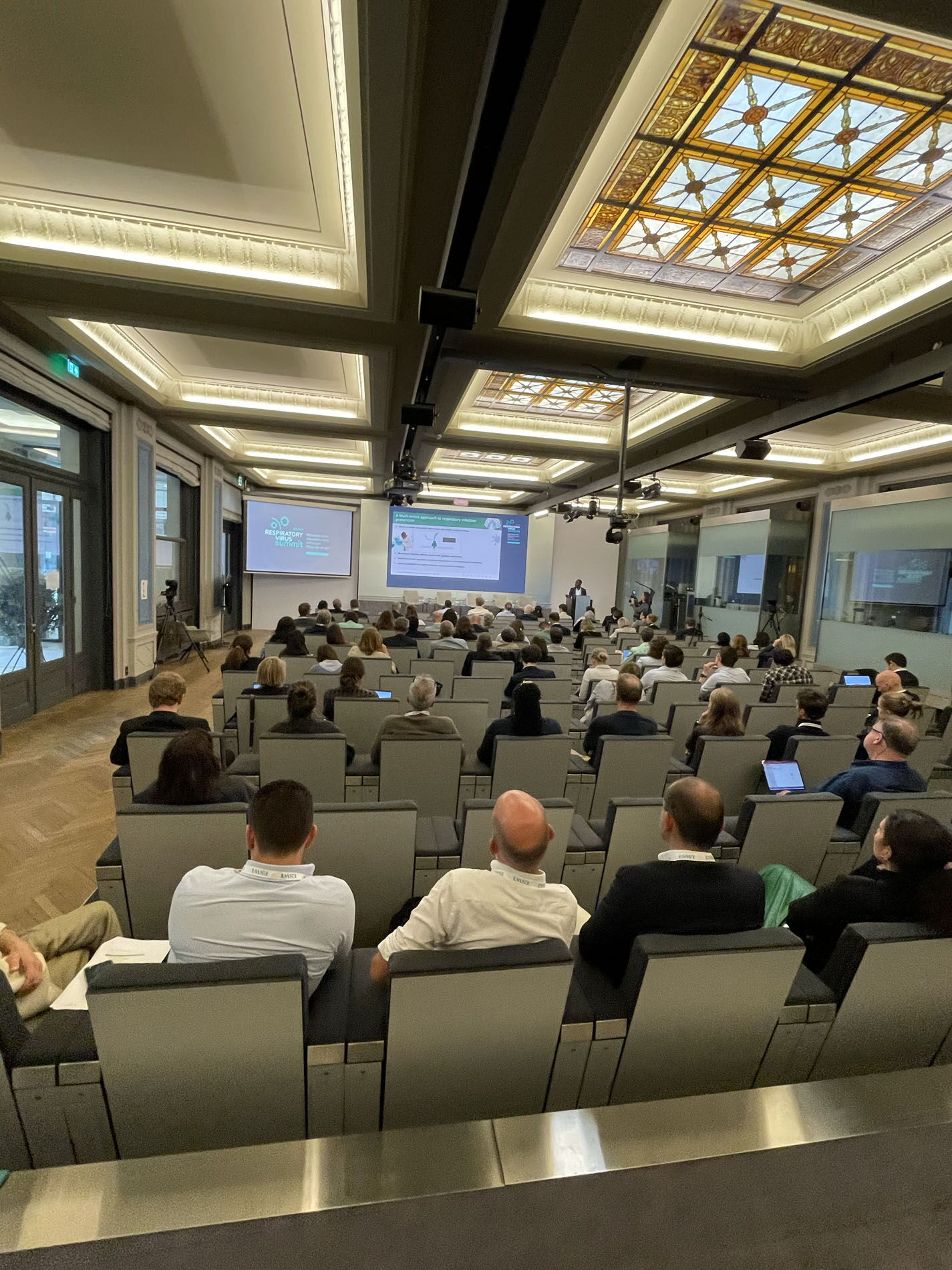
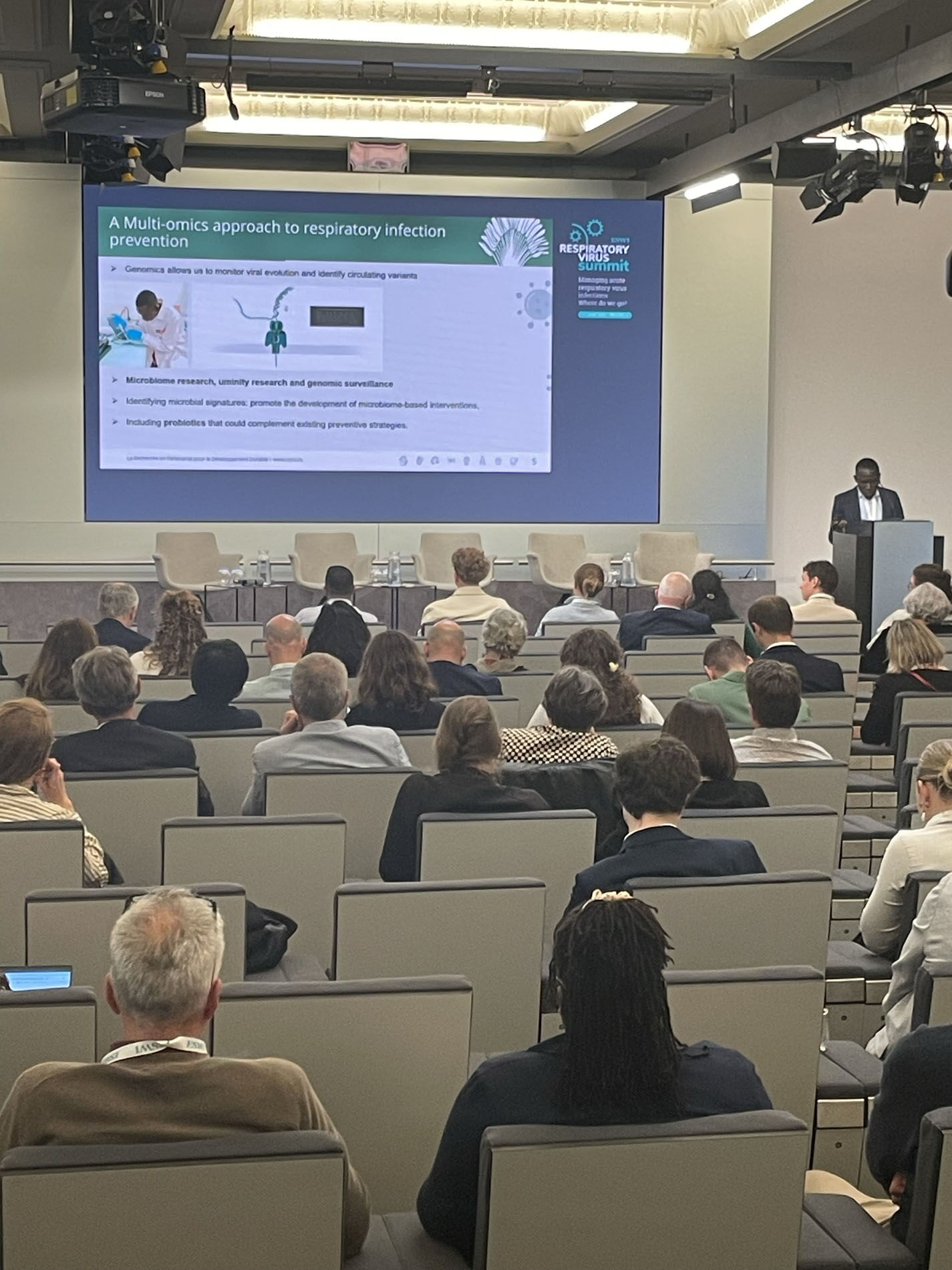
| Missa Firmin - Microbiome and genomics - Advancing understanding respiratory infections children.pdf | Adobe Portable Document Format | 1.2 MB |
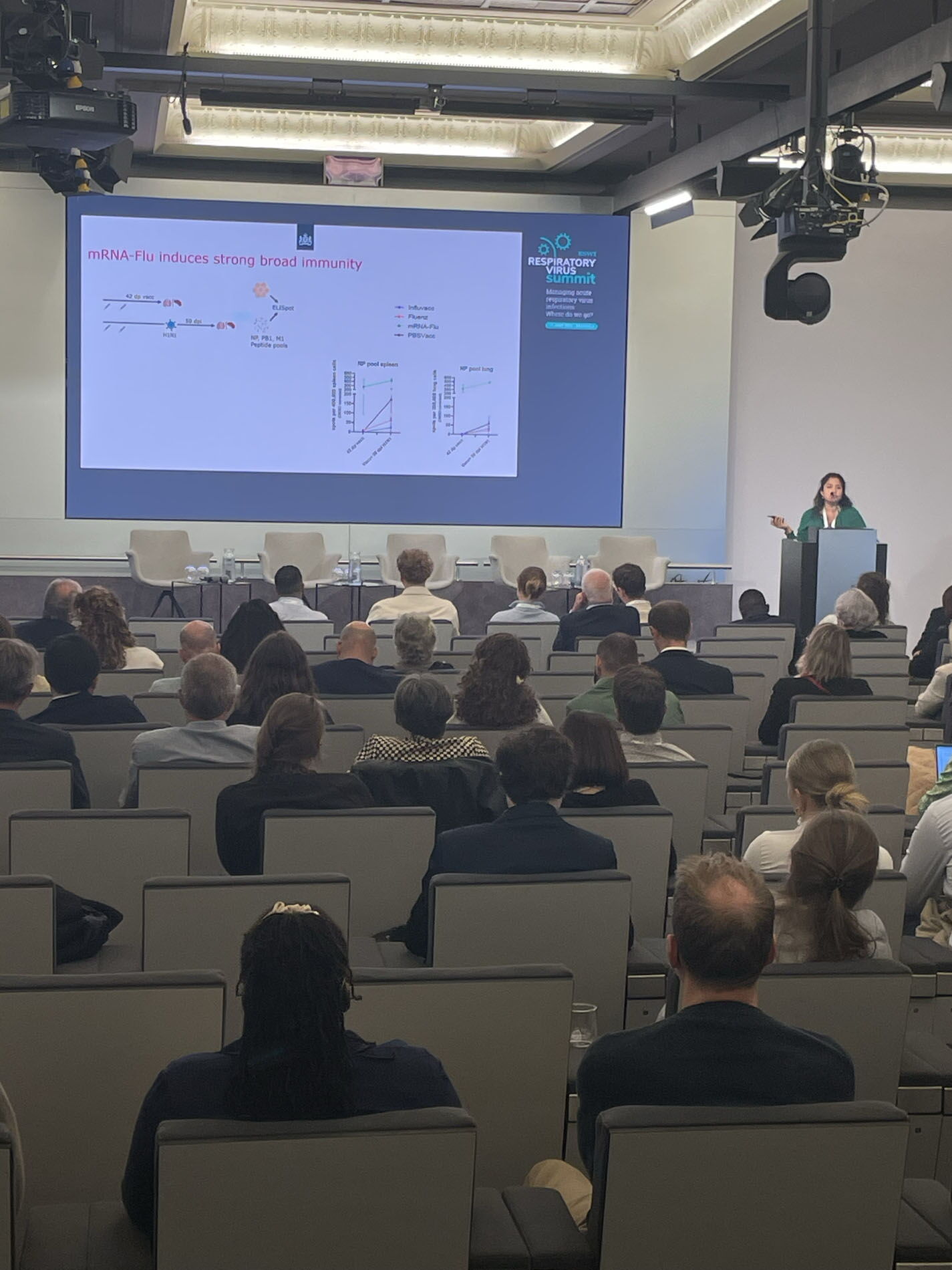
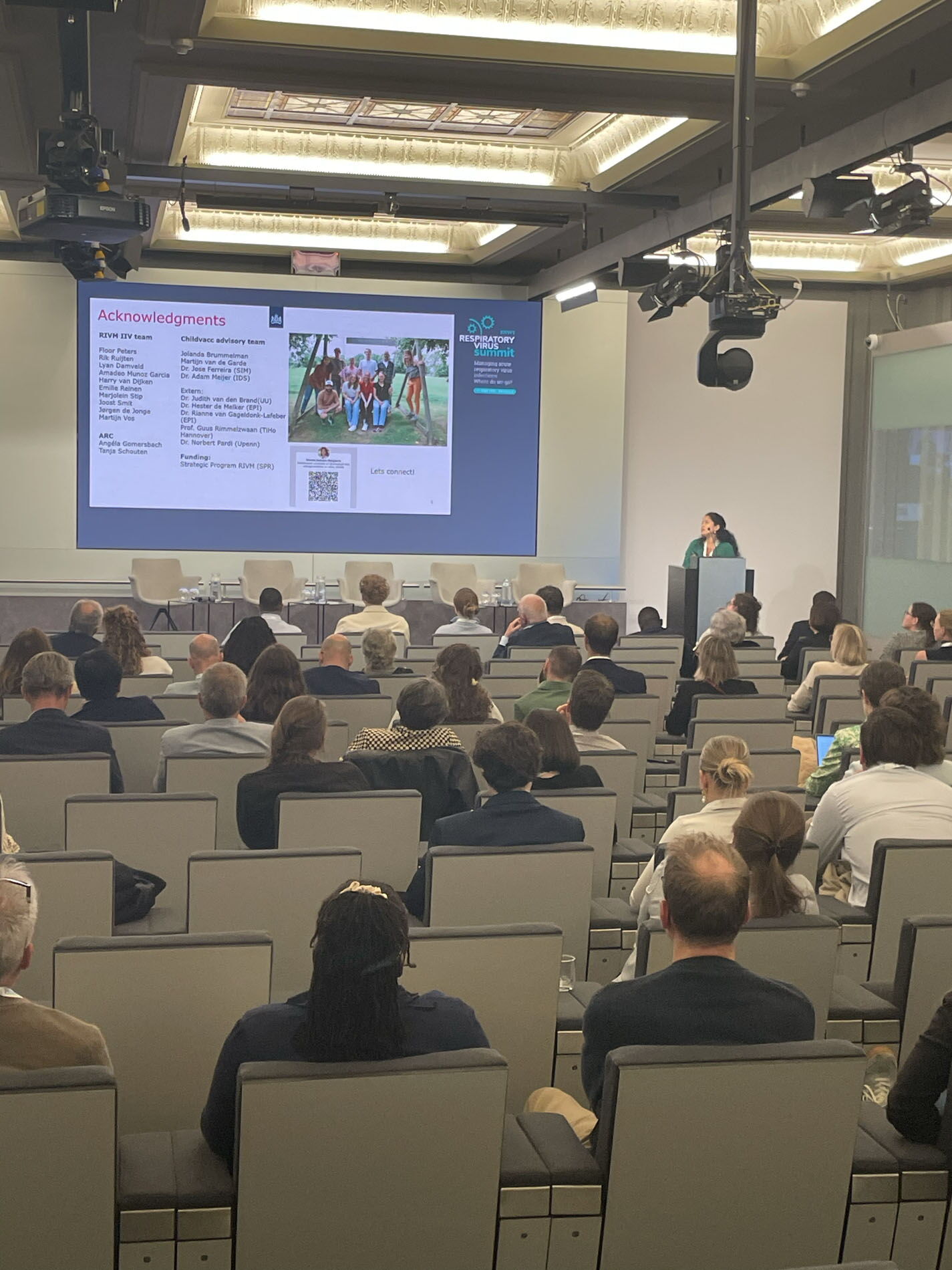
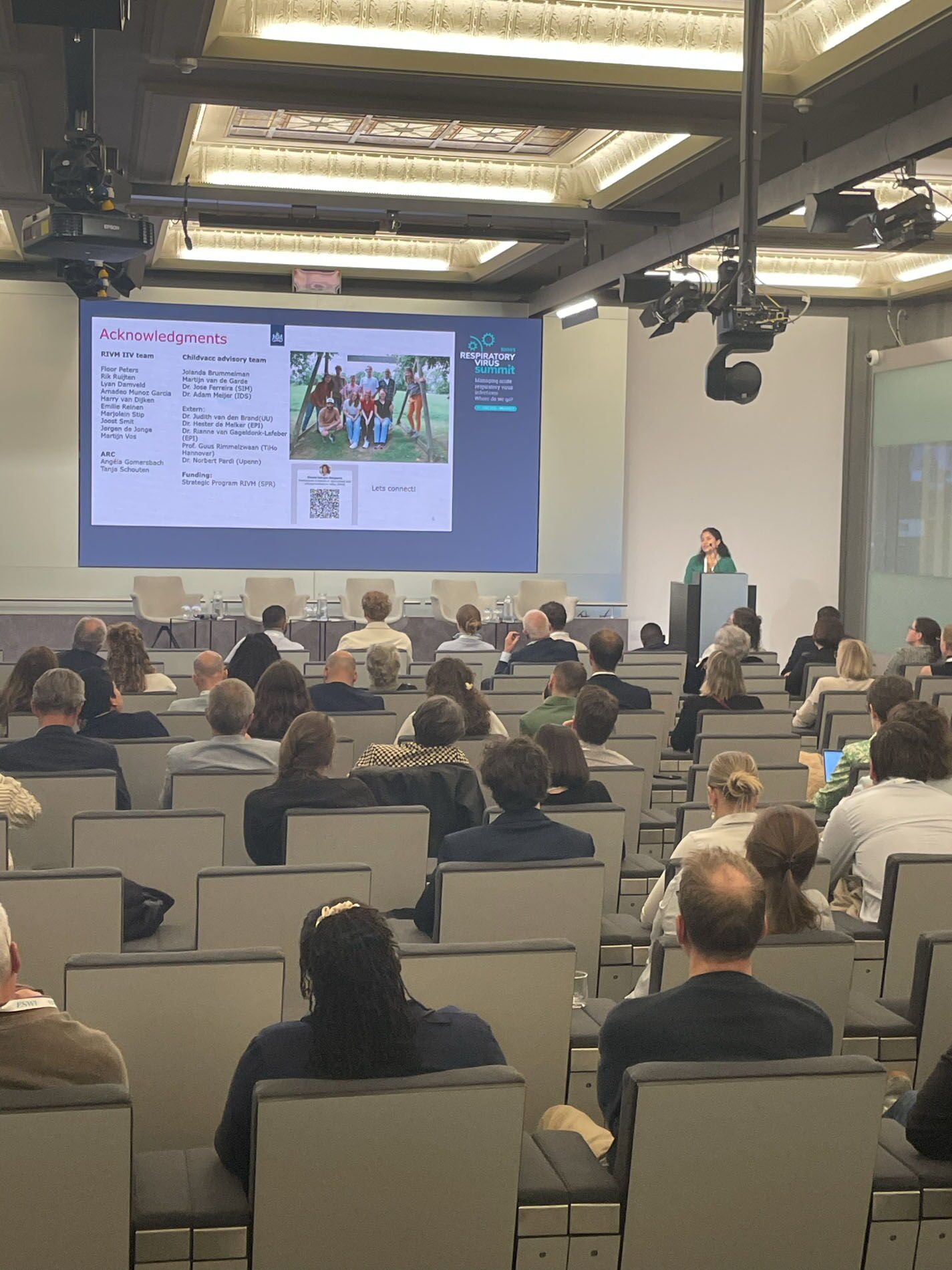
| Shweta Mahajan- - Childhood vaccination for influenza.pdf | Adobe Portable Document Format | 2.8 MB |
Gallery
Speakers
Dr. Kevin Ciminski is a junior research group leader at the Institute of Virology, University Medical Center Freiburg, Germany. His research focuses on virus-host interactions of emerging zoonotic viruses, including the elicited host immune response to viral infections, immunopathology, and transcriptional consequences. Kevin completed his PhD in 2020, studying the previously unknown bat-derived influenza A viruses H17N10 and H18N11 and assessing their zoonotic potential. In 2022, he received seed funding from the University Medical Center Freiburg through the Hans A. Krebs Medical Scientist Program to establish himself as an independent junior research group leader. Since 2023, Kevin is a visiting scientist at the Colorado State University in Fort Collins in the Department of Microbiology, Immunology and Pathology
Dr. Leis is a Research Assistant Professor in the Department of Epidemiology at the University of Michigan School of Public Health. With a background in both statistics and epidemiology, her research seeks to understand intersections between chronic diseases and viral infectious disease, with a particular focus on non-traditional risk pathways leading to the development of chronic disease following acute viral infection.
Much of her work is clinical and epidemiological in nature, with the driving motivation of identifying the “hidden populations” at elevated risk of developing severe disease from or significant adverse sequelae after acute viral respiratory infection beyond our current understanding of these mechanisms.
She received her PhD in Epidemiologic Science from the University of Michigan in 2022, her MS in Biostatistics from Drexel University in 2015, and her BS in Mathematics from St. Bonaventure University in 2013.
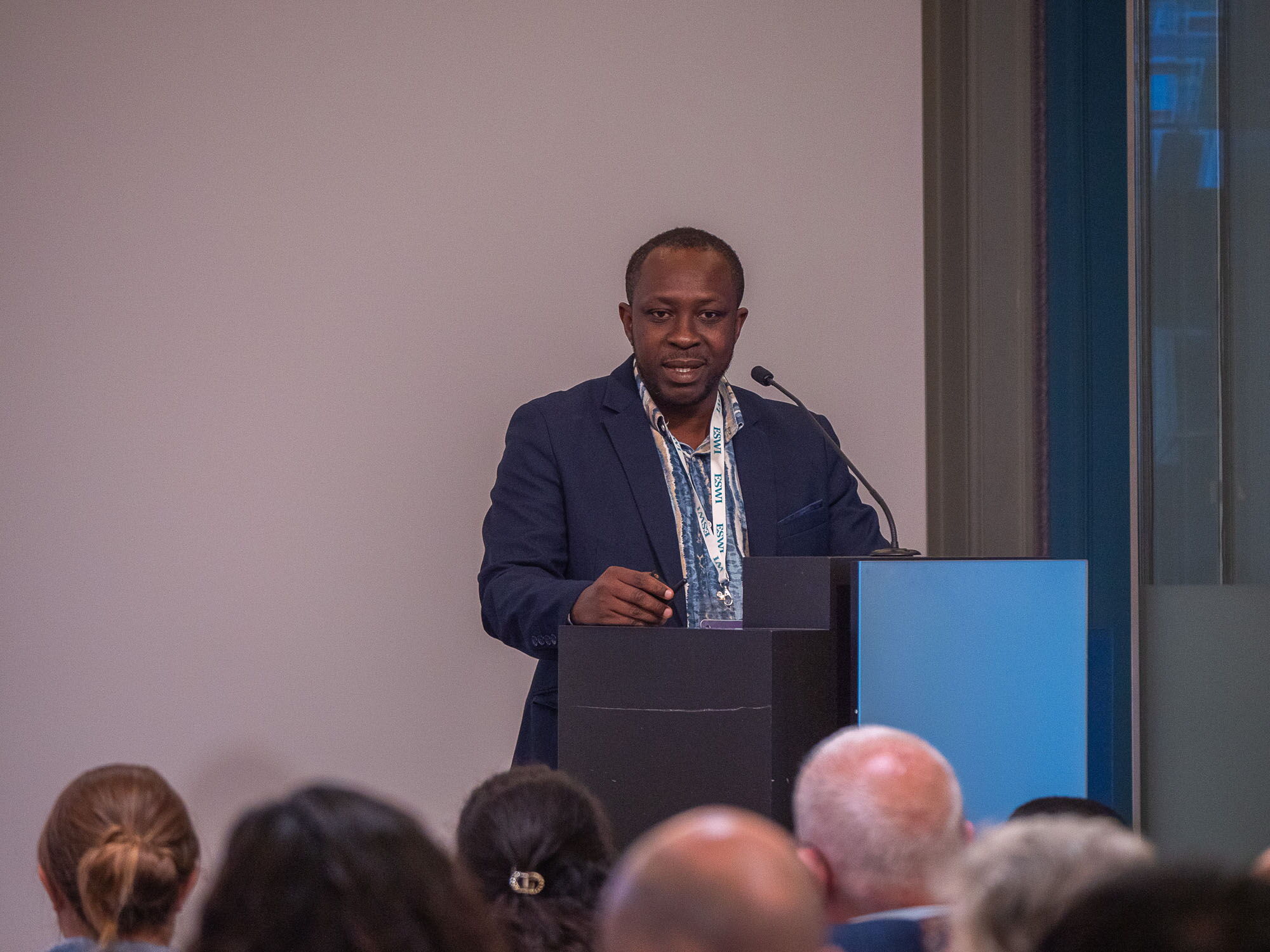
Dr Charlie Franck Amoia is a Lecturer-Researcher in Immunology at the Faculty of Sciences and Technology, University Alassane Ouattara, in Côte d'Ivoire. He holds a PhD in Veterinary Medicine, with a specialization in Molecular Virology, Immunology, and Vaccinology, from Sokoine University of Agriculture in Tanzania.
His research focuses on vaccine development against viral pathogens. As a Visiting Scholar at the Weger-Lucarelli Laboratory at Virginia Tech (USA), he designed and developed a genotype-matched, adjuvanted DNA vaccine against Newcastle Disease Virus (NDV), a highly contagious avian paramyxovirus that causes severe acute respiratory disease in poultry, with up to 100% mortality in unvaccinated flocks. This vaccine demonstrated strong protective efficacy in animal models. Most recently, as a Junior Research Investigator at the SACIDS Foundation for One Health in Tanzania, Dr. Amoia led the field evaluation of that same vaccine candidate.
He is an active Early Career Researcher member of the International Veterinary Vaccinology Network and is deeply committed to translating cutting-edge immunology and vaccinology into practical, life-saving solutions for viral threats in Africa and beyond.
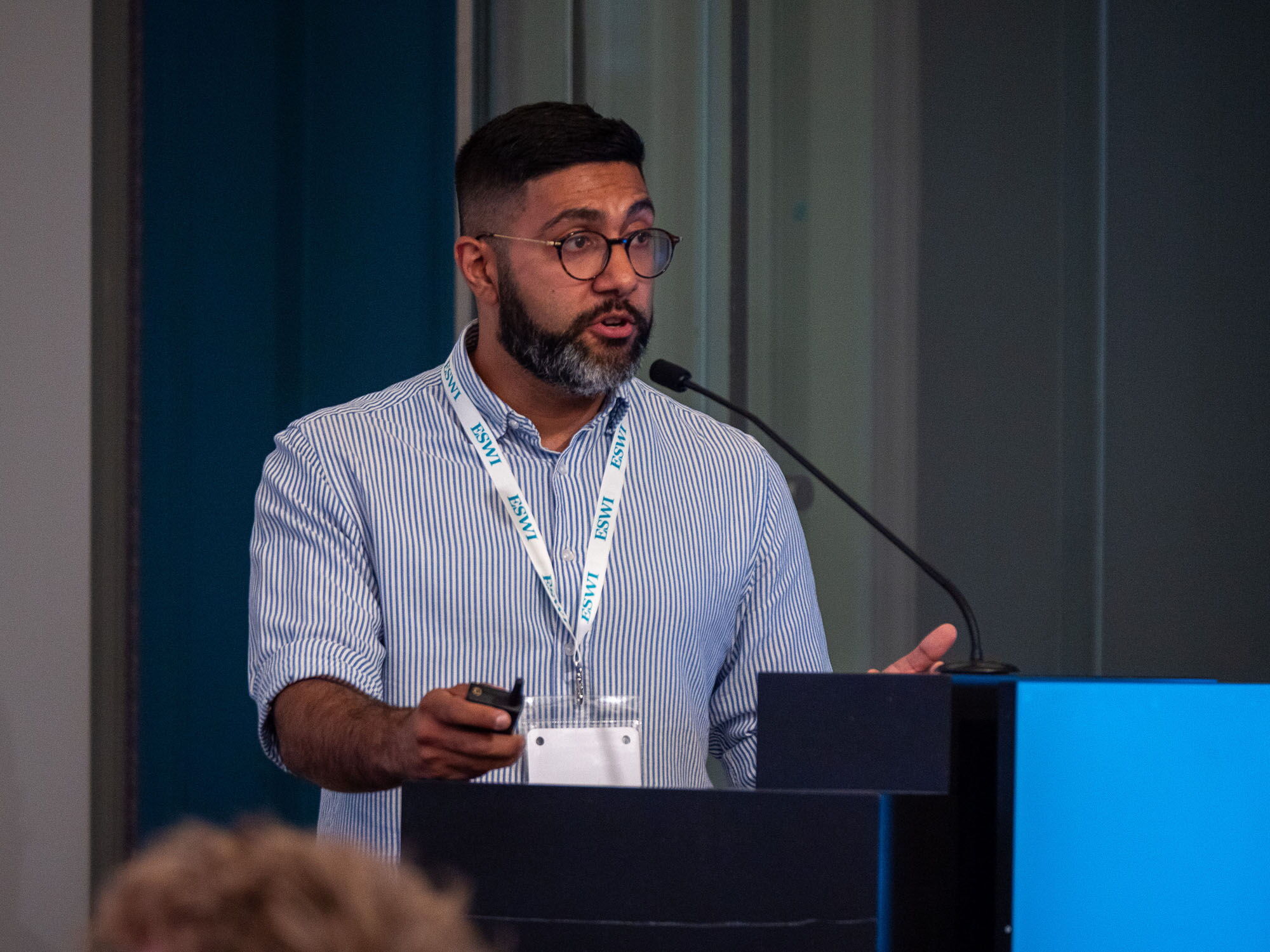
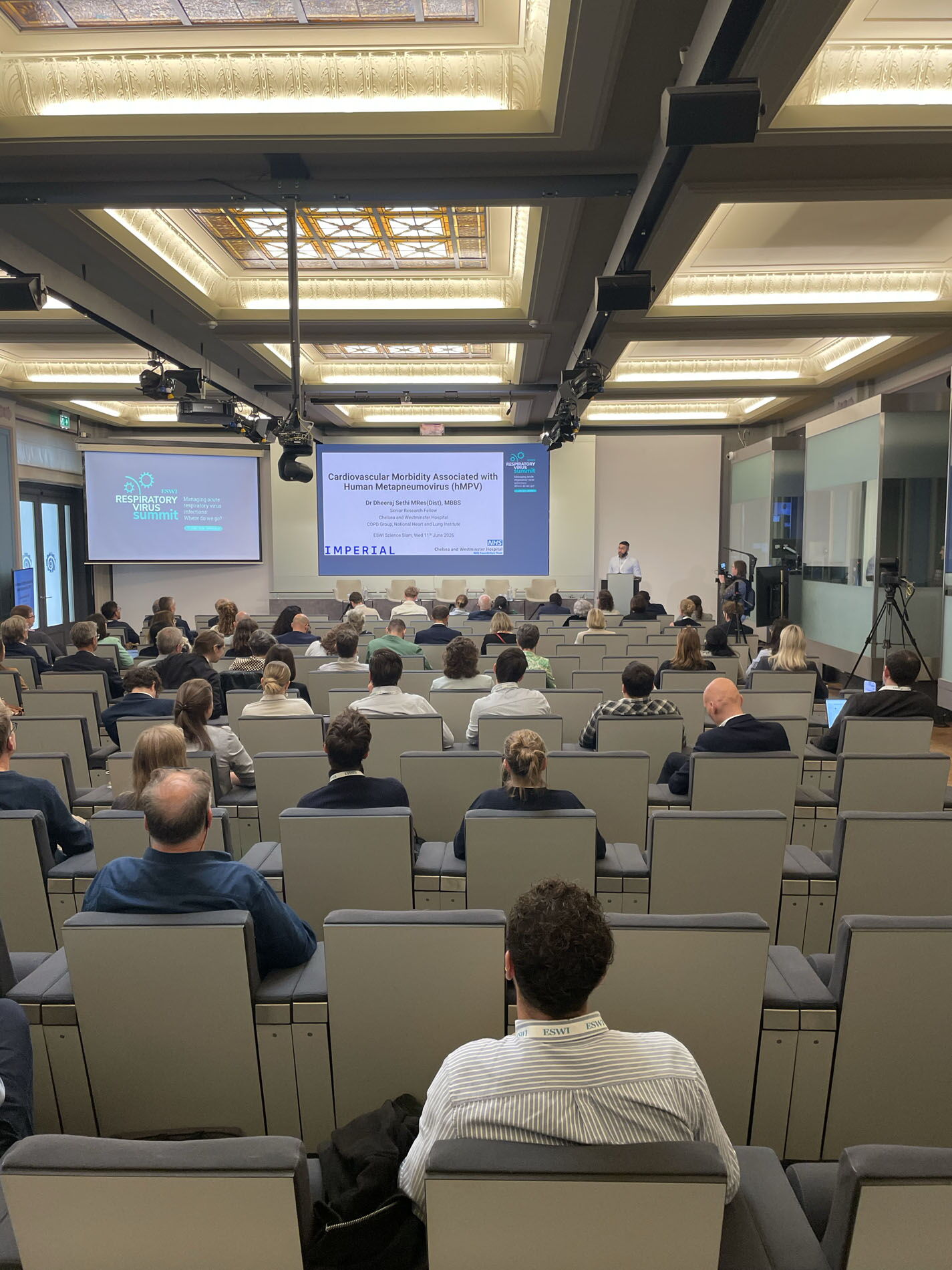
I am a Respiratory Resident undertaking a Research Fellowship at Chelsea & Westminster and Imperial College London, where I contribute to prospective cohort studies, commercial trials and population-based research. I have a specific interest in infection and immunology, hence am excited to starting my PhD with the COPD group at Imperial College in September. I will focus on exacerbations and the longer-term sequelae of infection in this cohort.
I am currently studying the impact of acute respiratory viruses (with a focus on hMPV) on cardiovascular morbidity.
Elias studied biology at the University of Hamburg and molecular biology and physiology at the University of Greifswald. In 2025 he finished his PhD at the Institute of Virology in Freiburg, under the supervision of Prof. Dr. Kochs, working on tick-bore Orthomyxoviruses.
He continues working in Freiburg as a postdoctoral researcher in the research group of Dr. Peter Reuther, mainly investigating mechanisms of non-cytolytic clearance and host-cell survival after RNA virus infection.
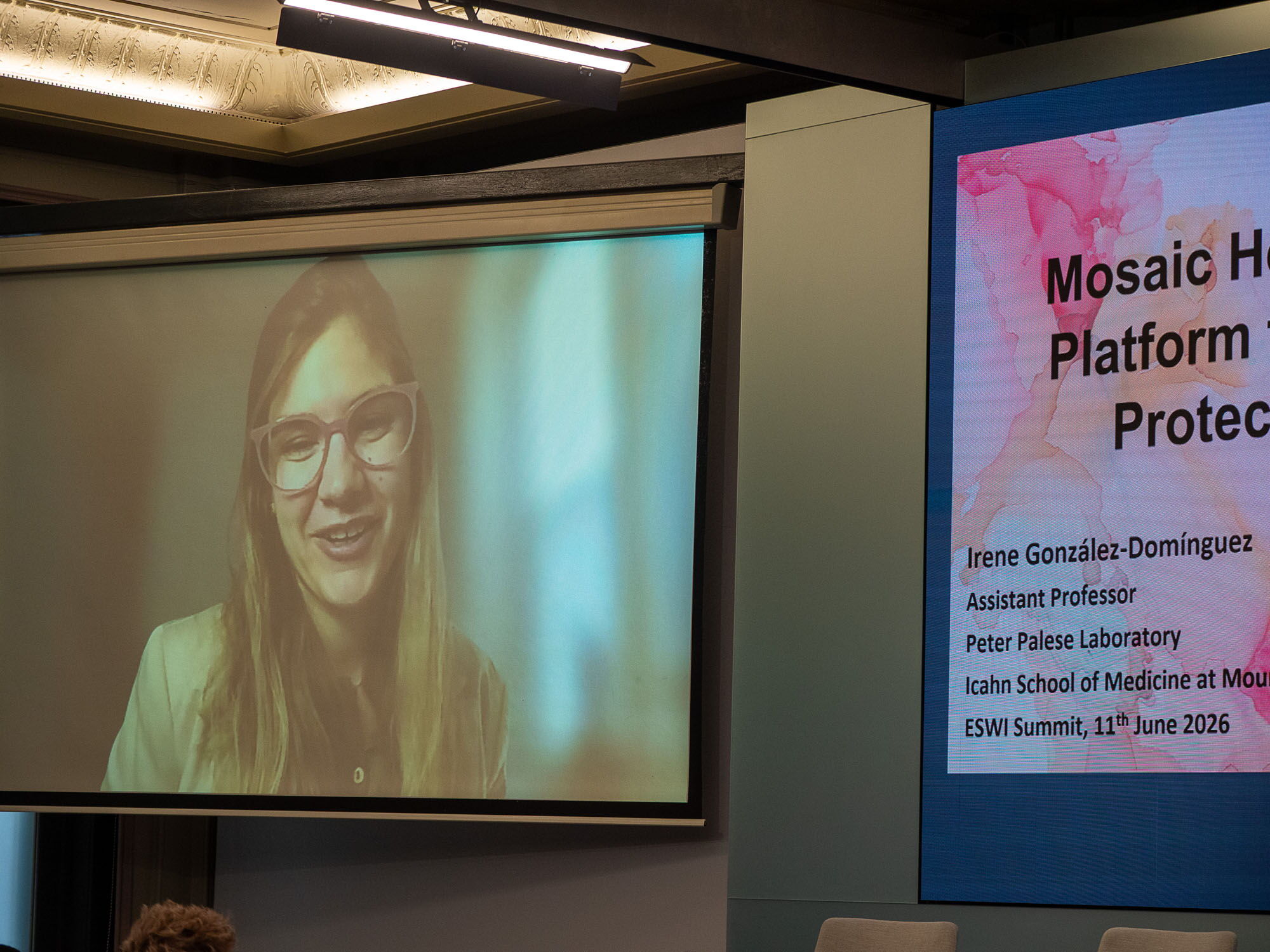
Irene González-Domínguez, PhD, is Assistant Professor in the Department of Microbiology at the Icahn School of Medicine at Mount Sinai. Her research focuses on the development of innovative preventive and therapeutic strategies against viral infections, with a particular emphasis on vaccine design and immunotherapeutics.
Over the past decade, Dr. González-Domínguez has built extensive expertise in the molecular design of virus-like particles (VLPs), the generation of viral vector vaccines (including NDV-based platforms), and the establishment of animal models to evaluate vaccine efficacy. Her current work targets high-priority areas such as universal influenza vaccines and therapeutic strategies for persistent SARS-CoV-2 infections in immunocompromised individuals. Dr. González-Domínguez earned her PhD in Biotechnology from the Autonomous University of Barcelona. She is inventor in multiple patents in vaccine innovation and has published extensively in high-impact journals such as Nature Communications, Molecular Therapy, Science Translational Medicine, and npj Vaccines.
Beyond the lab, she serves as the General Secretary of the Spanish Association of Scientists in the USA (ECUSA) and is an active mentor to the next generation of biomedical scientists.
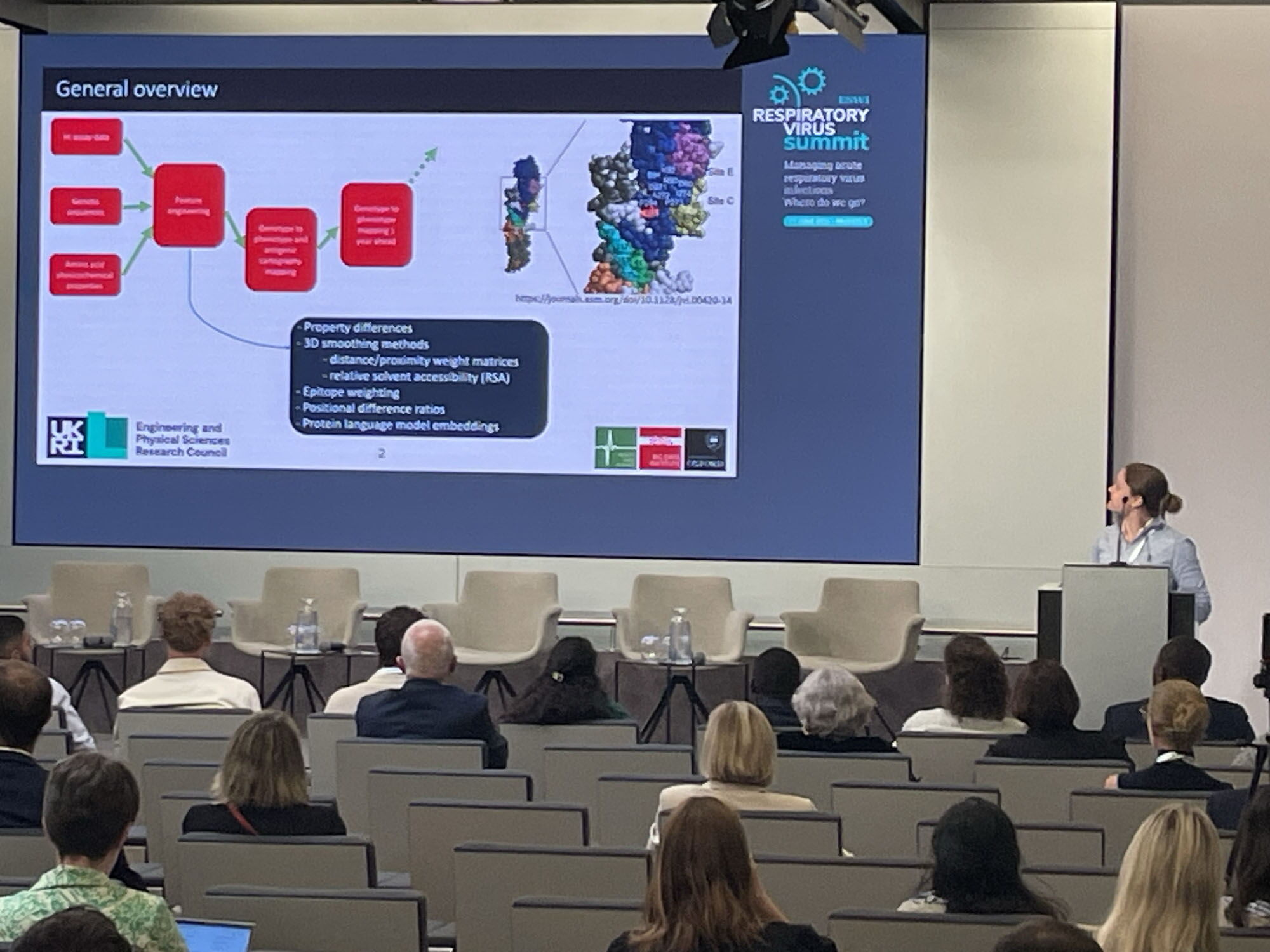
Lucy Greenwood is an EPSRC-funded Health Data Science DPhil student at the University of Oxford, in which she is investigating the predictability of the evolution of influenza A H3N2 viruses.
After an integrated master’s in mathematics at the University of Oxford, she undertook an MSc in Modelling for Global Health at the University of Oxford to apply the methods she had learnt to more real-life scenarios.
During this course, she completed a research placement at the National University of Singapore investigating the impact of vaccination on Japanese Encephalitis transmission.
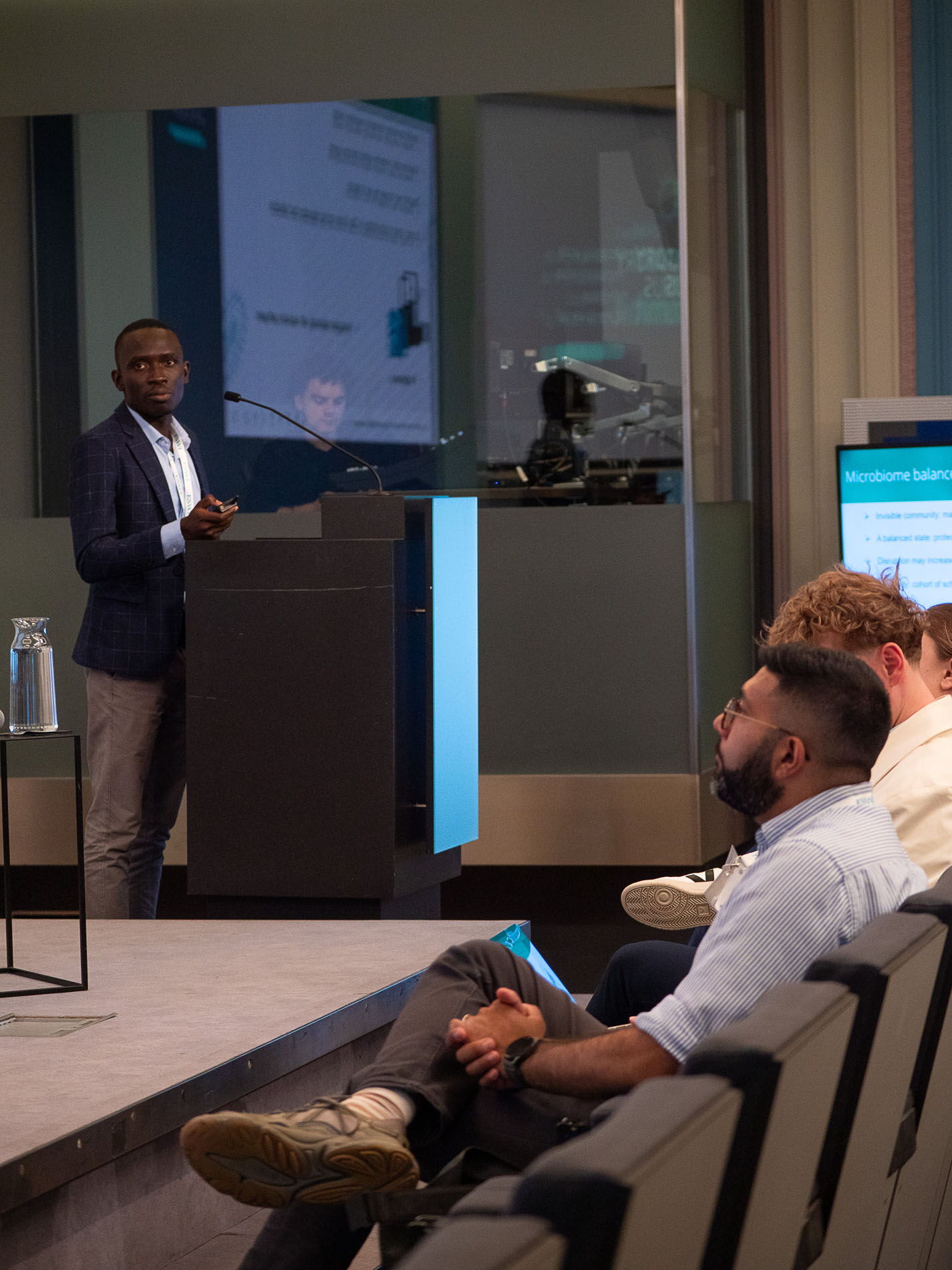
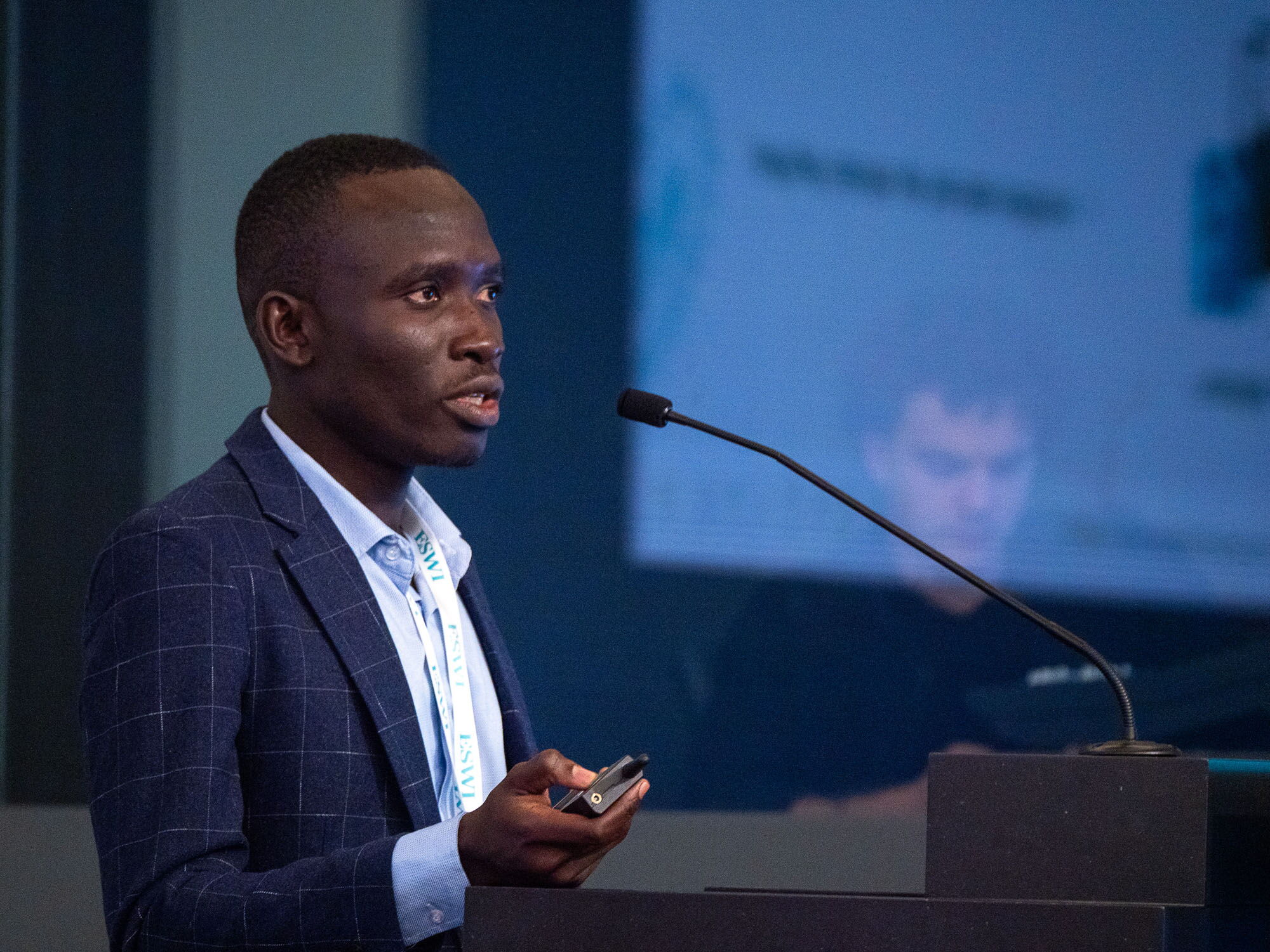
I am MISSA Kouassi Firmin. I hold a PhD in molecular microbiology from Félix Houphouët-Boigny University, and I am currently an associate researcher at Centre Suisse de Recherches Scientifiques Côte d’Ivoire (CSRS).
My research focuses on the role of the respiratory microbiome in the development and modulation of respiratory tract infections, including those caused by SARS-CoV-2, rhinoviruses, influenza A and B, and respiratory syncytial virus. I am particularly interested in how host–microbiome interactions influence susceptibility to infection. In addition, my work explores immune biomarkers associated with respiratory infections. Specifically, I investigate the role of secretory IgA (sIgA) and cytokine profiles in mucosal immunity. I have been actively involved in genomic surveillance of SARS-CoV-2 in school-age children in Côte d’Ivoire, as well as dengue virus.
I am also a member of a consortium working on vaccines to control respiratory pathogens and antimicrobial resistance across Africa. My work ultimately aims to bridge microbiome research, viral genomics, and vaccine strategies to enhance respiratory health in resource-limited settings.
I am born in India where I did my bachelors. I moved to the Netherlands in 2016 (ten years ago) for my masters. I did the research master infection and immunity at Erasmus MC. Following that, I did my PhD at the lab of Reno Debets at Erasmus medical center, Rotterdam in Identification of EBV specific TCRs and immune evasion mechanisms for immunotherapy treatment of EBV positive head and neck cancer patients.
I am currently working at the Dutch Institute of public health and environment (RIVM) on understanding the short and long term impact of vaccination for Influenza and applying those findings to generate awareness on childhood vaccination policy. My greater vision now for the future is to build scientific collaborations between EU and India in the future in infectious disease immunology.
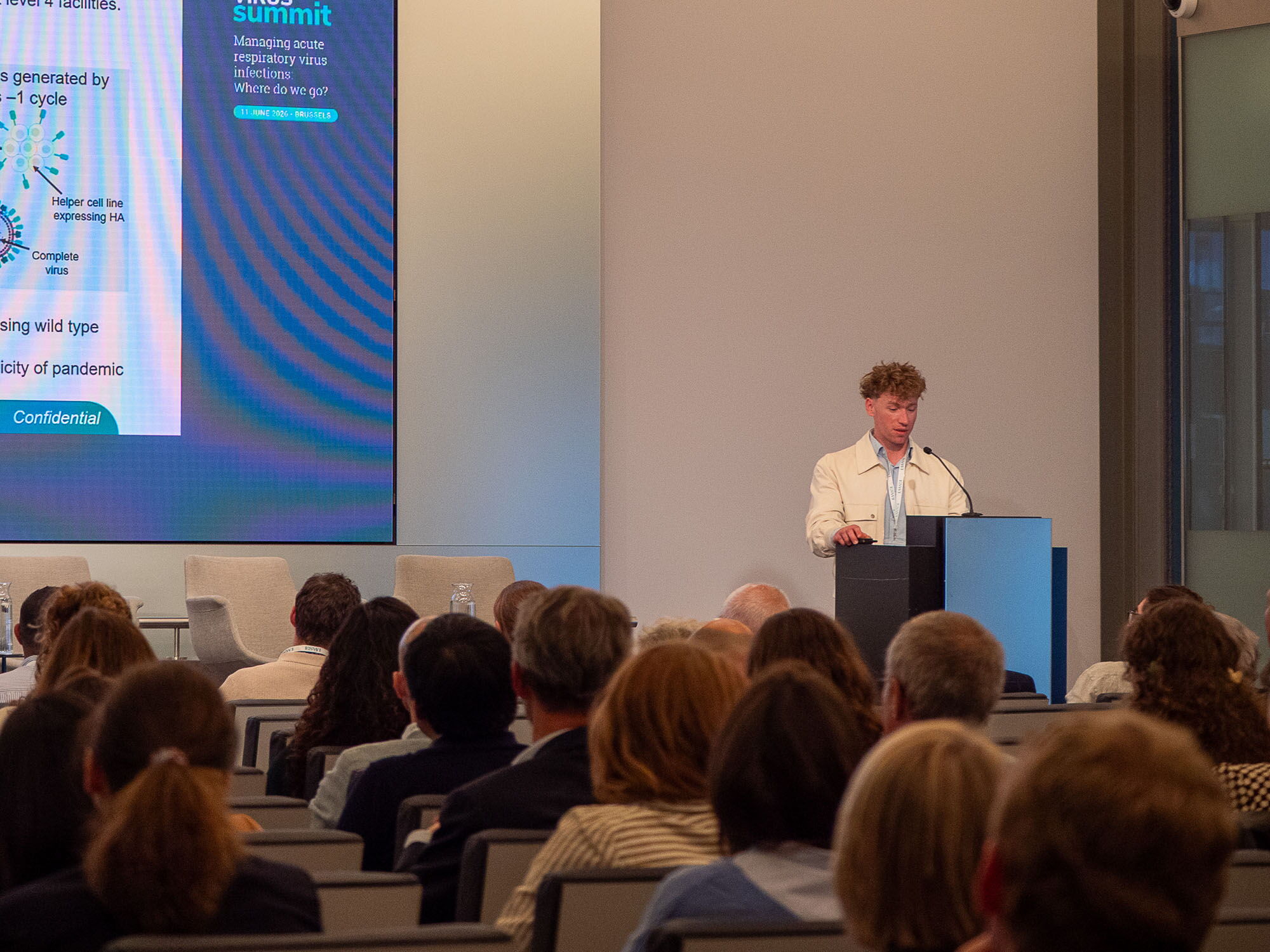
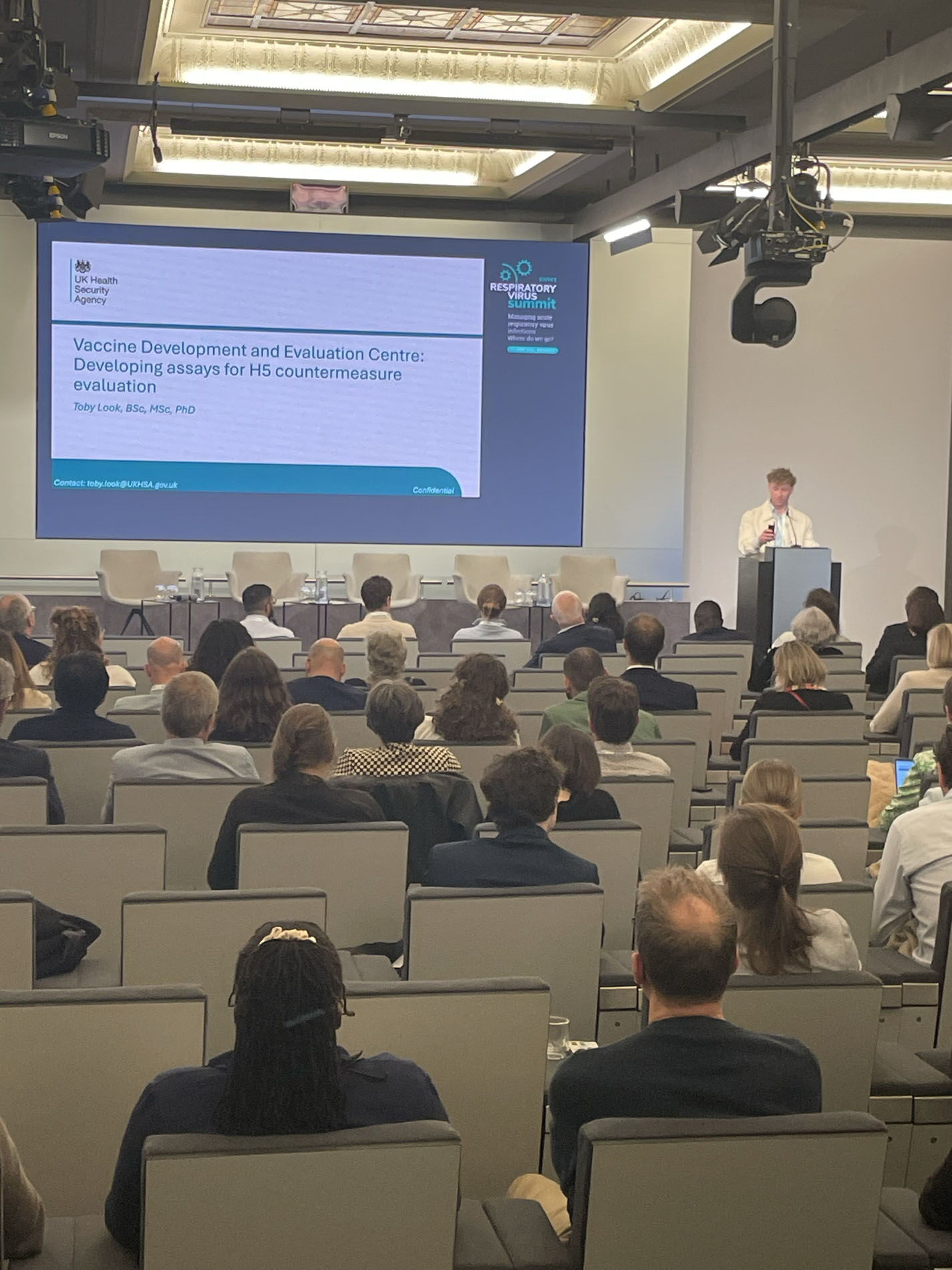
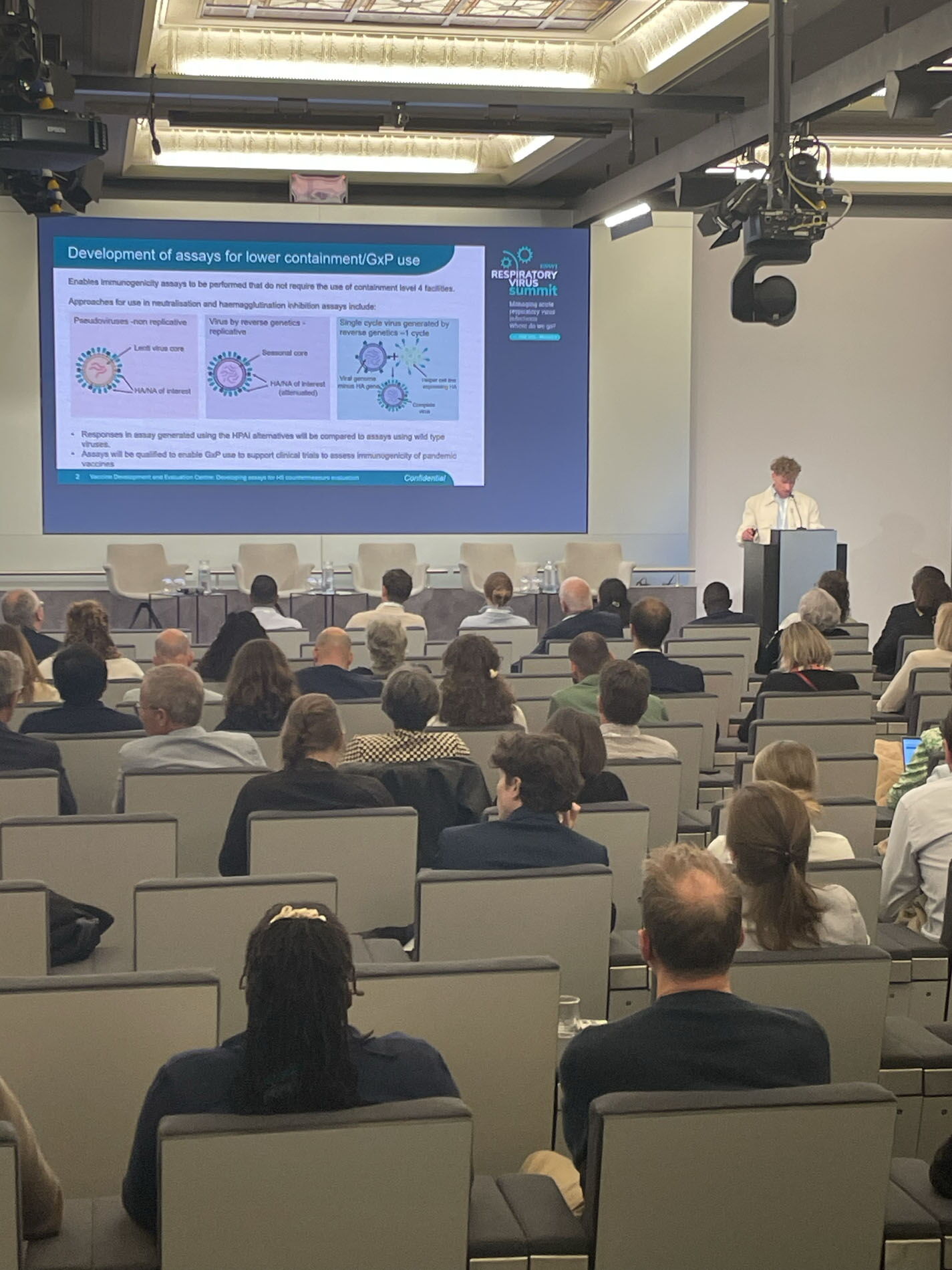
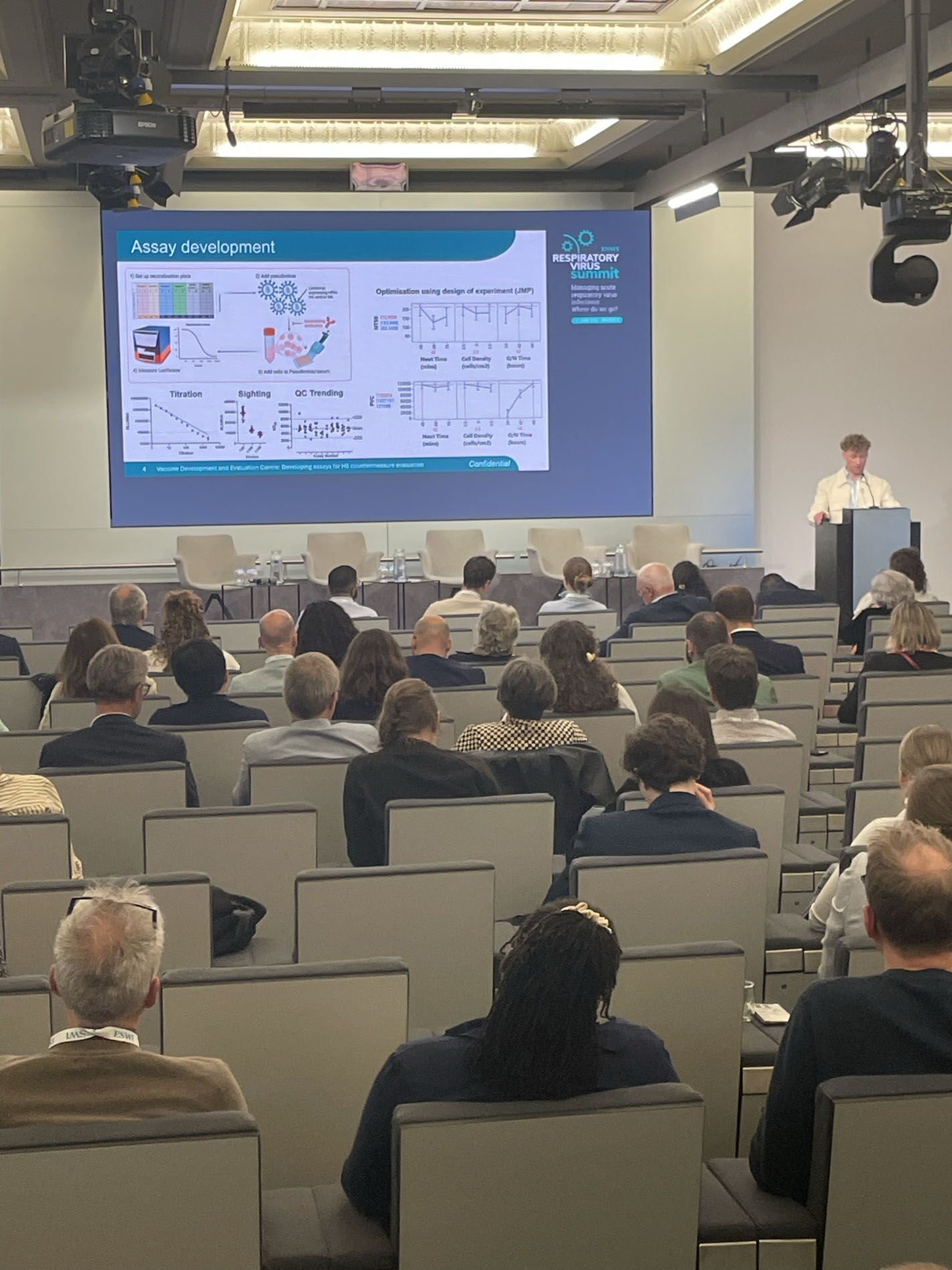
I am a Senior Scientist at the UK Health Security Agency (UKHSA), specialising in the development and validation of immunological assays for vaccine evaluation and clinical trials. My work focuses on high-throughput pseudovirus neutralisation assays for emerging and high-consequence pathogens, including avian influenza, Nipah virus, and filoviruses, within regulated environments.
I completed my PhD in Infection and Immunity at the University of Edinburgh, where I used CRISPR–Cas9 screening and next-generation sequencing to study host–virus interactions.
I have expertise in molecular biology, assay development, and data analysis, and I am particularly interested in advancing scalable tools to support pandemic preparedness.