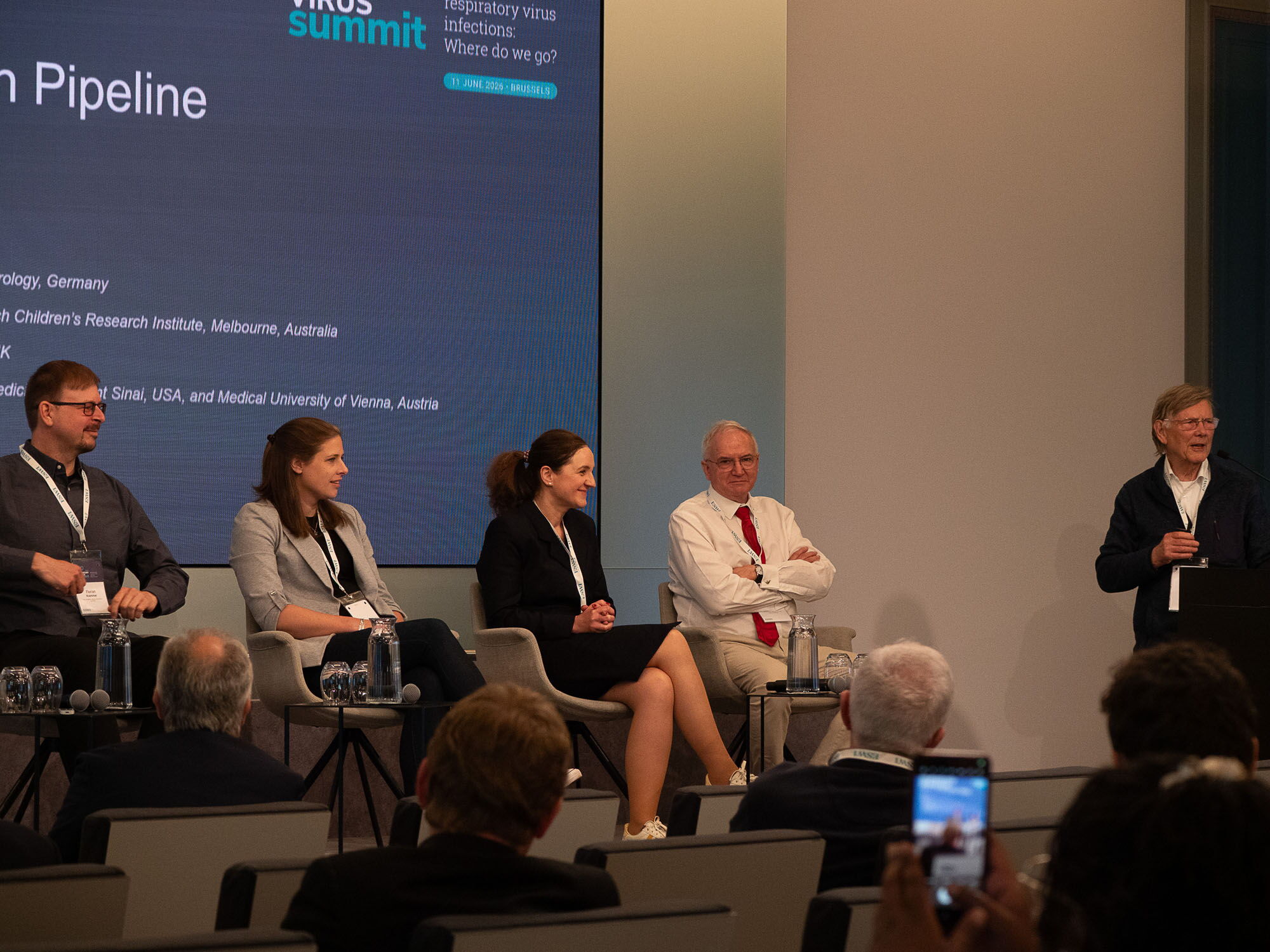
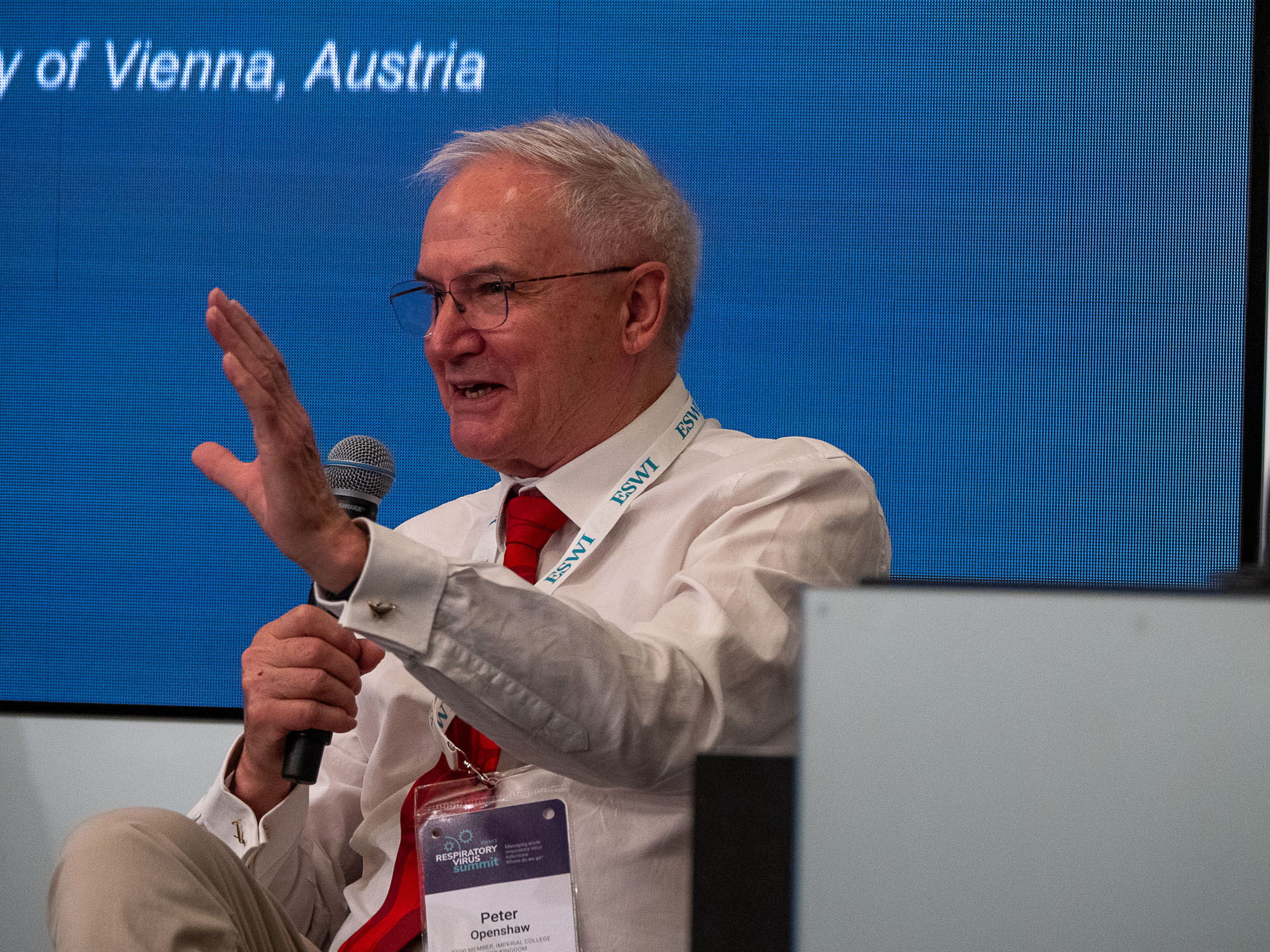
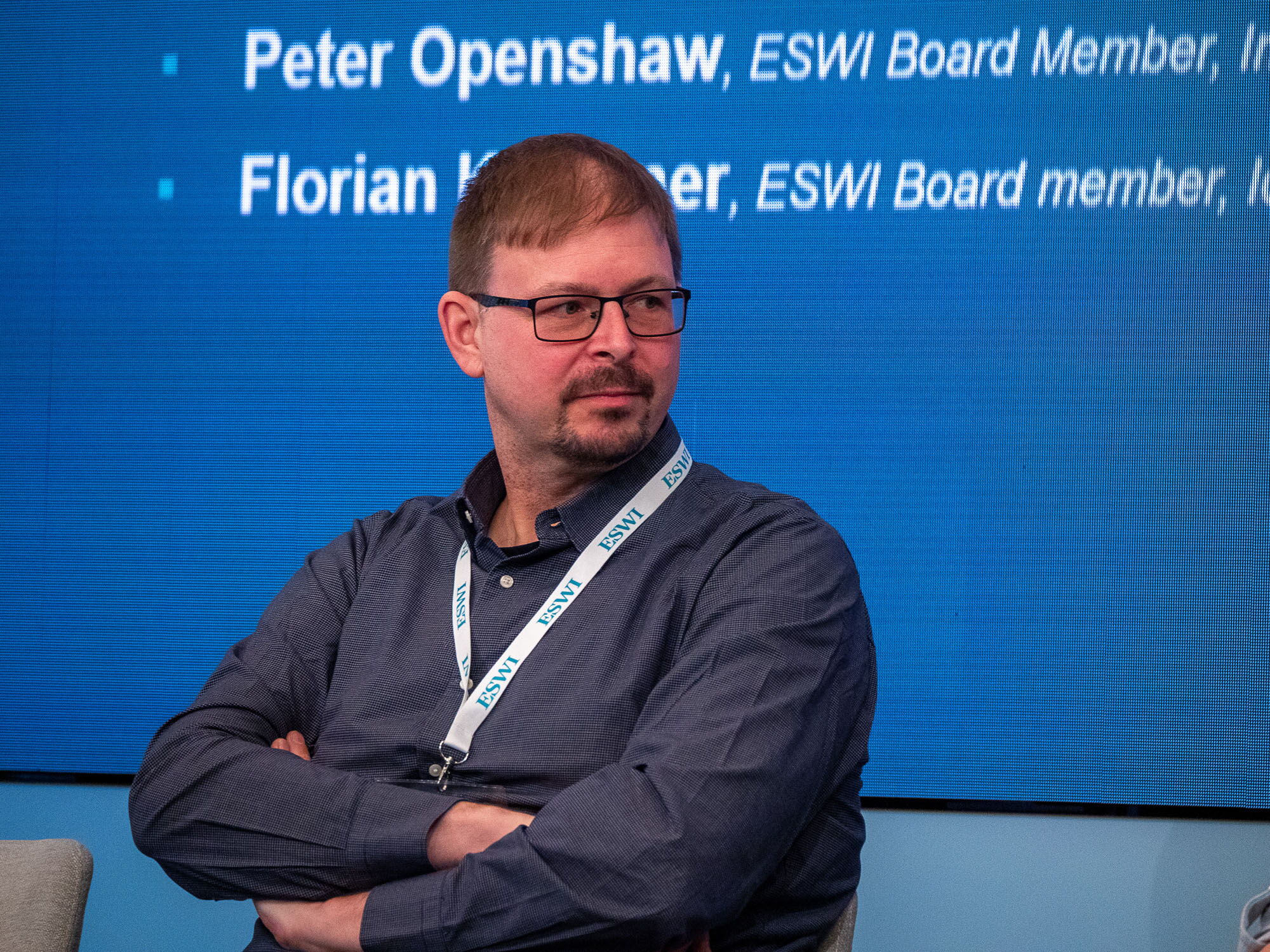
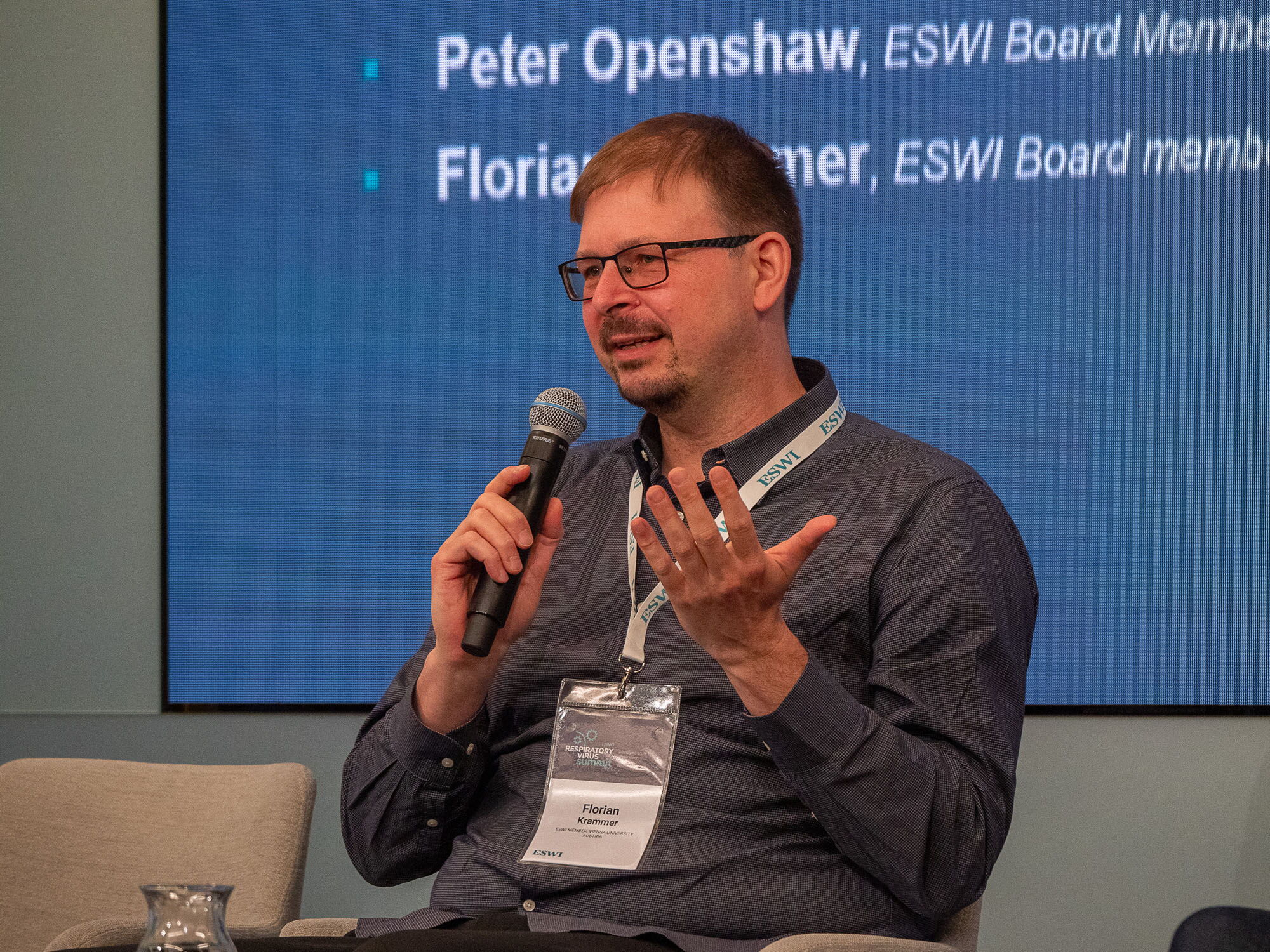
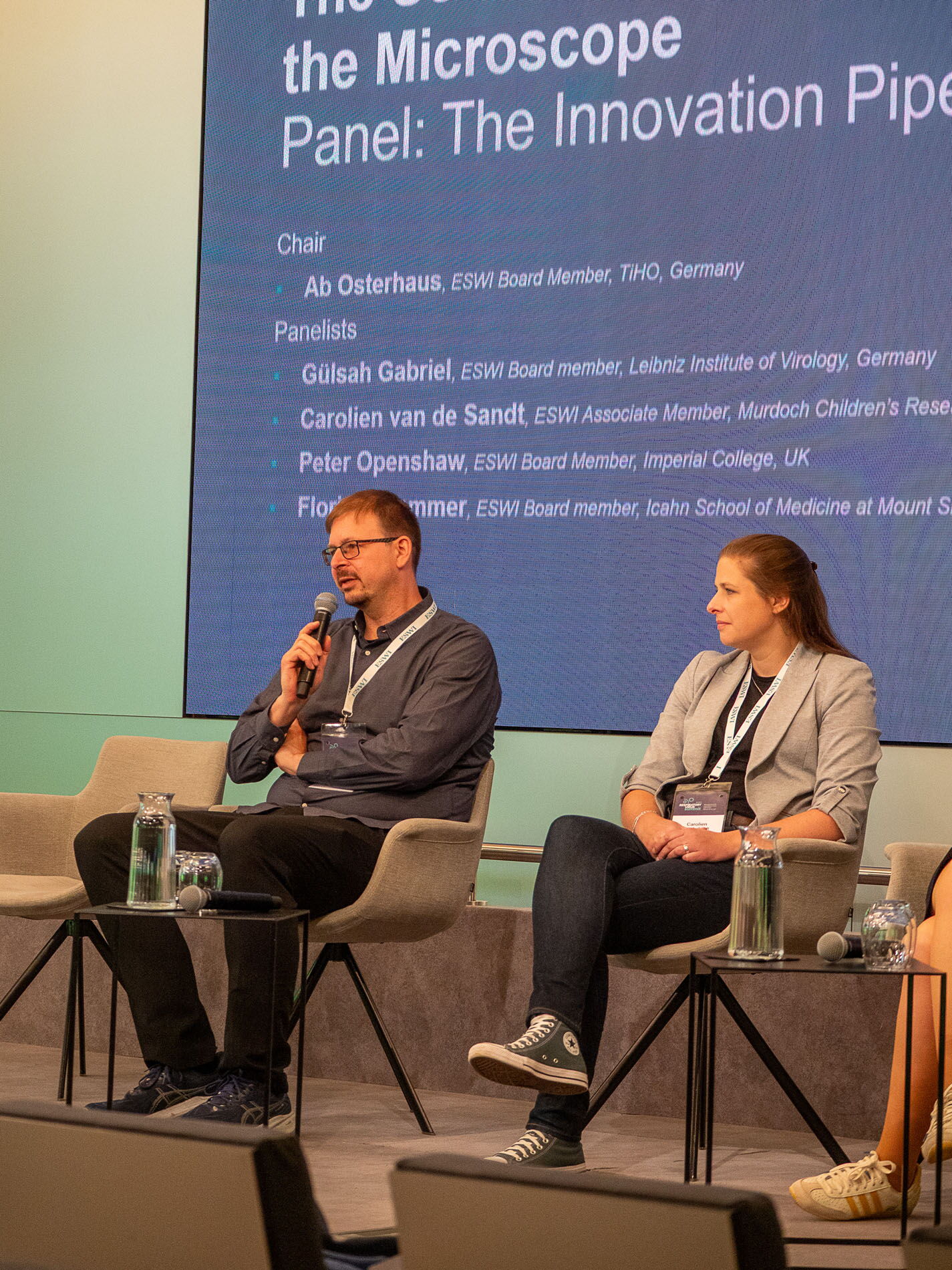
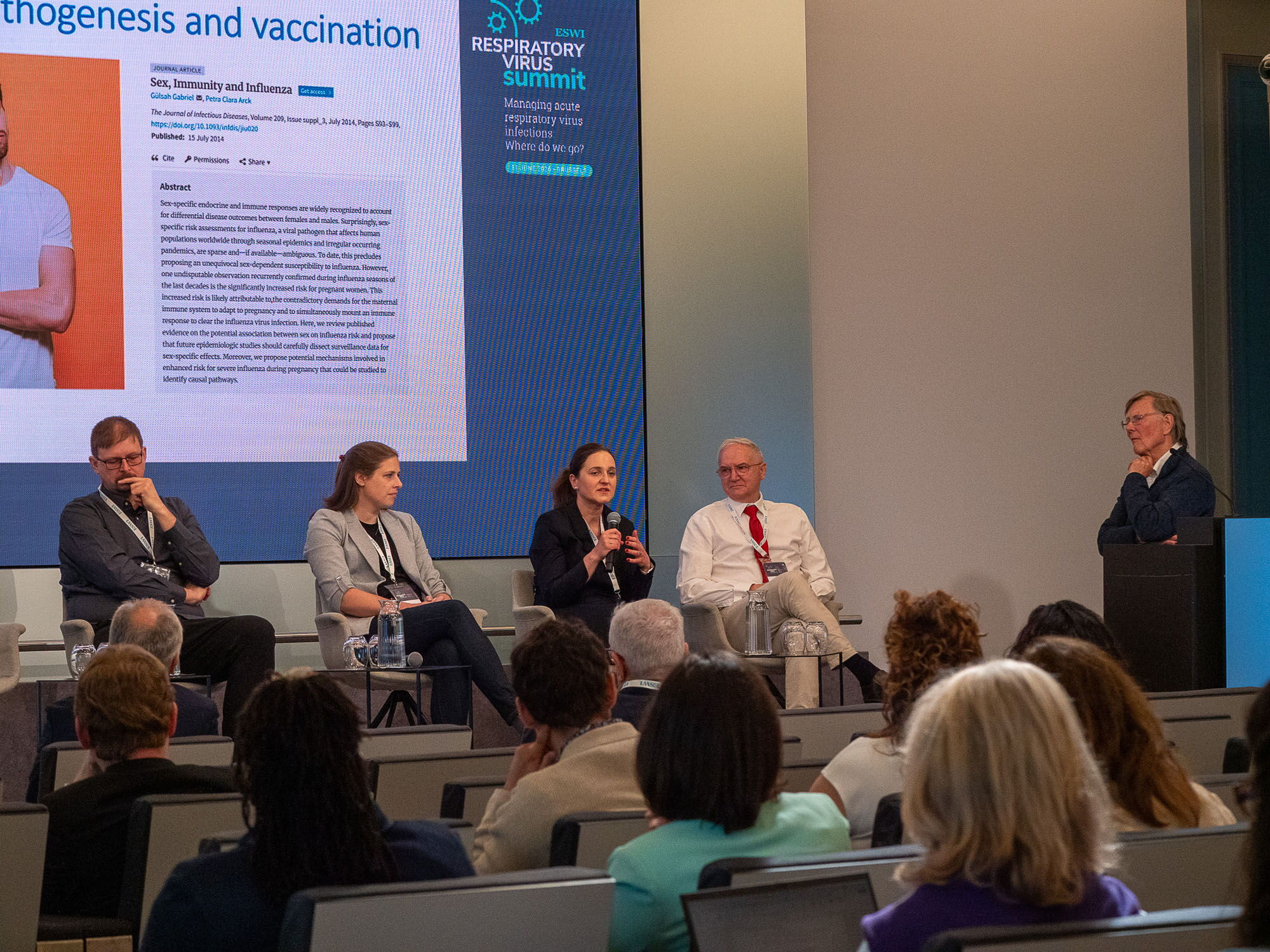
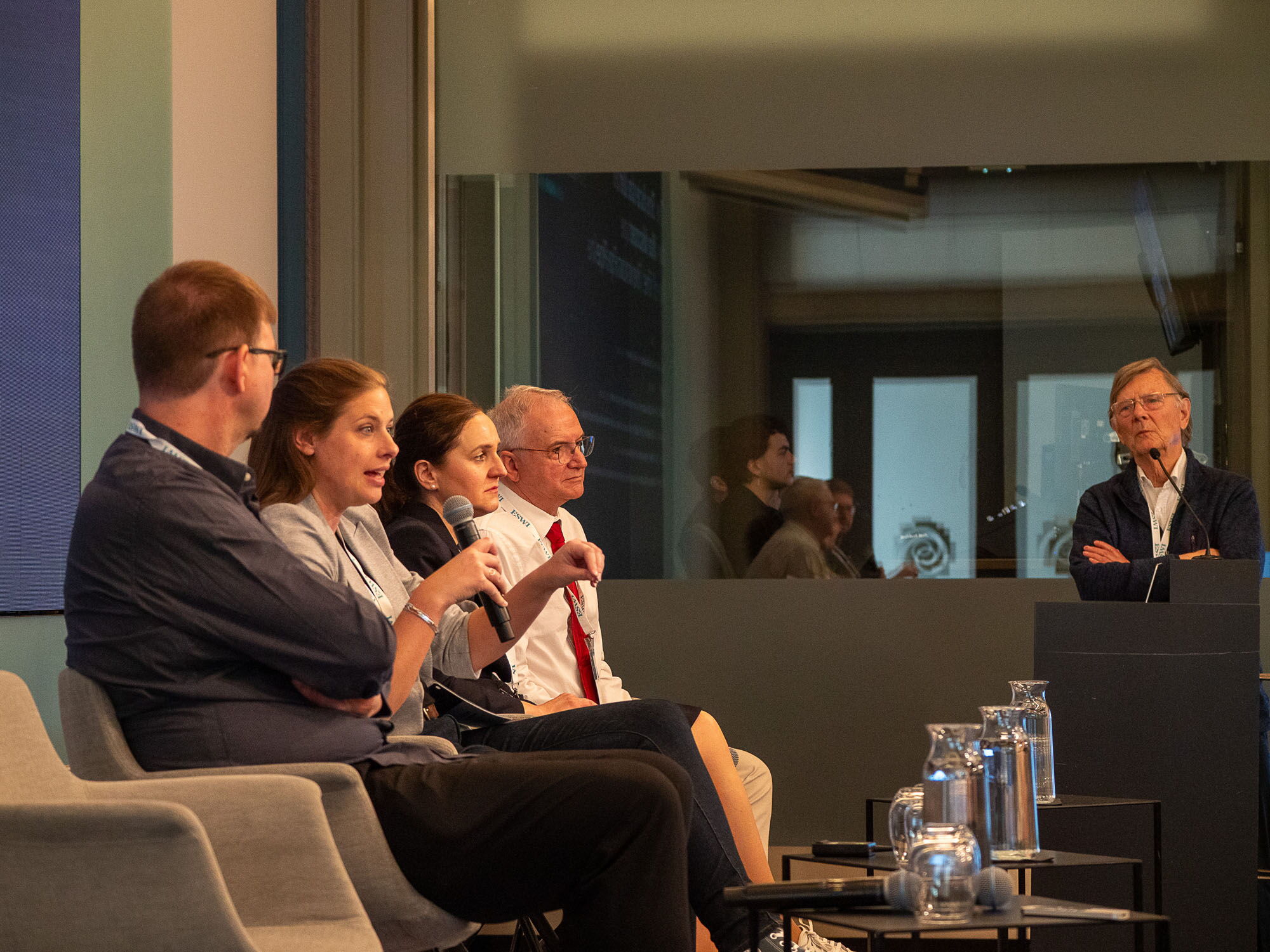
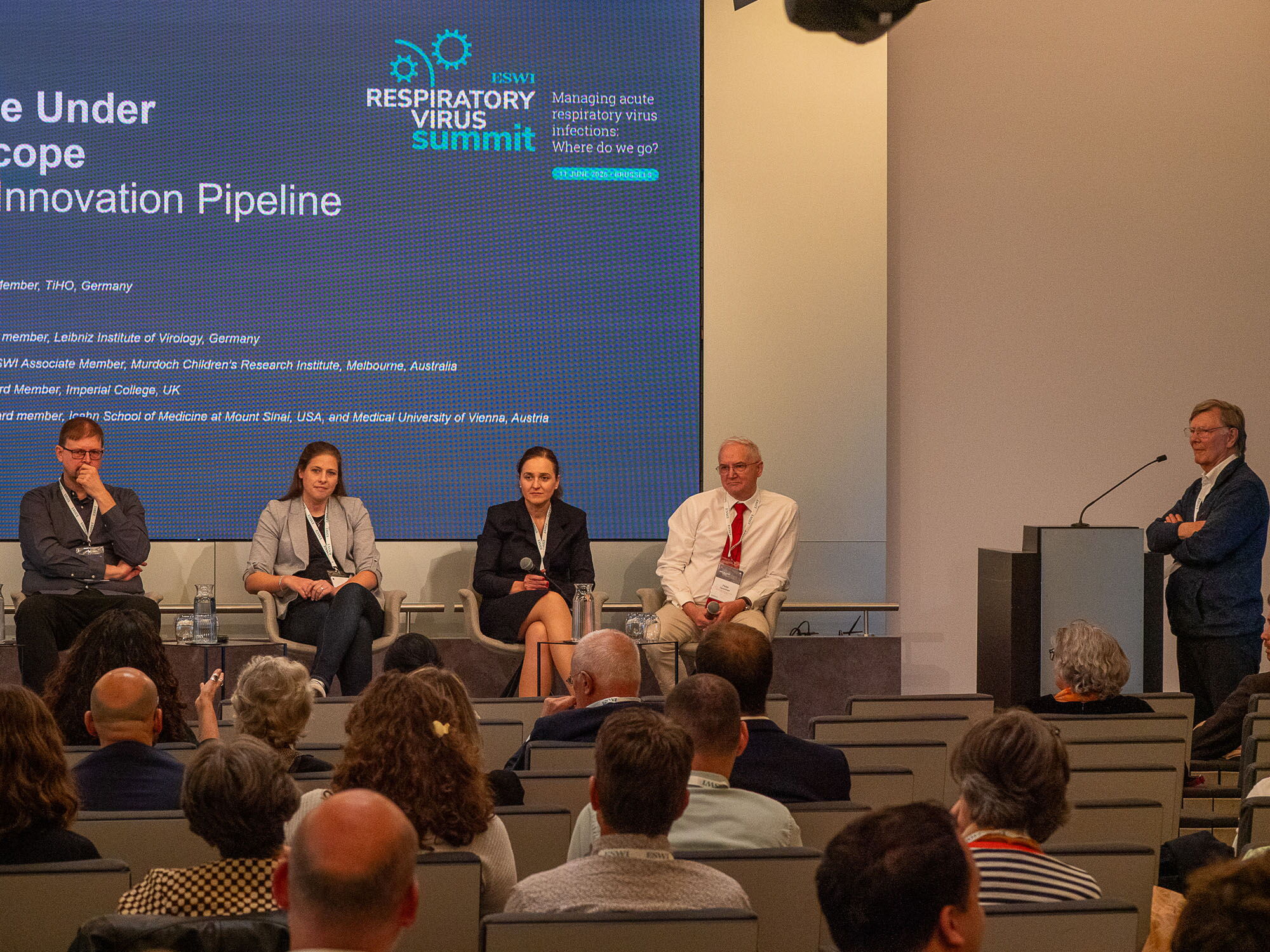
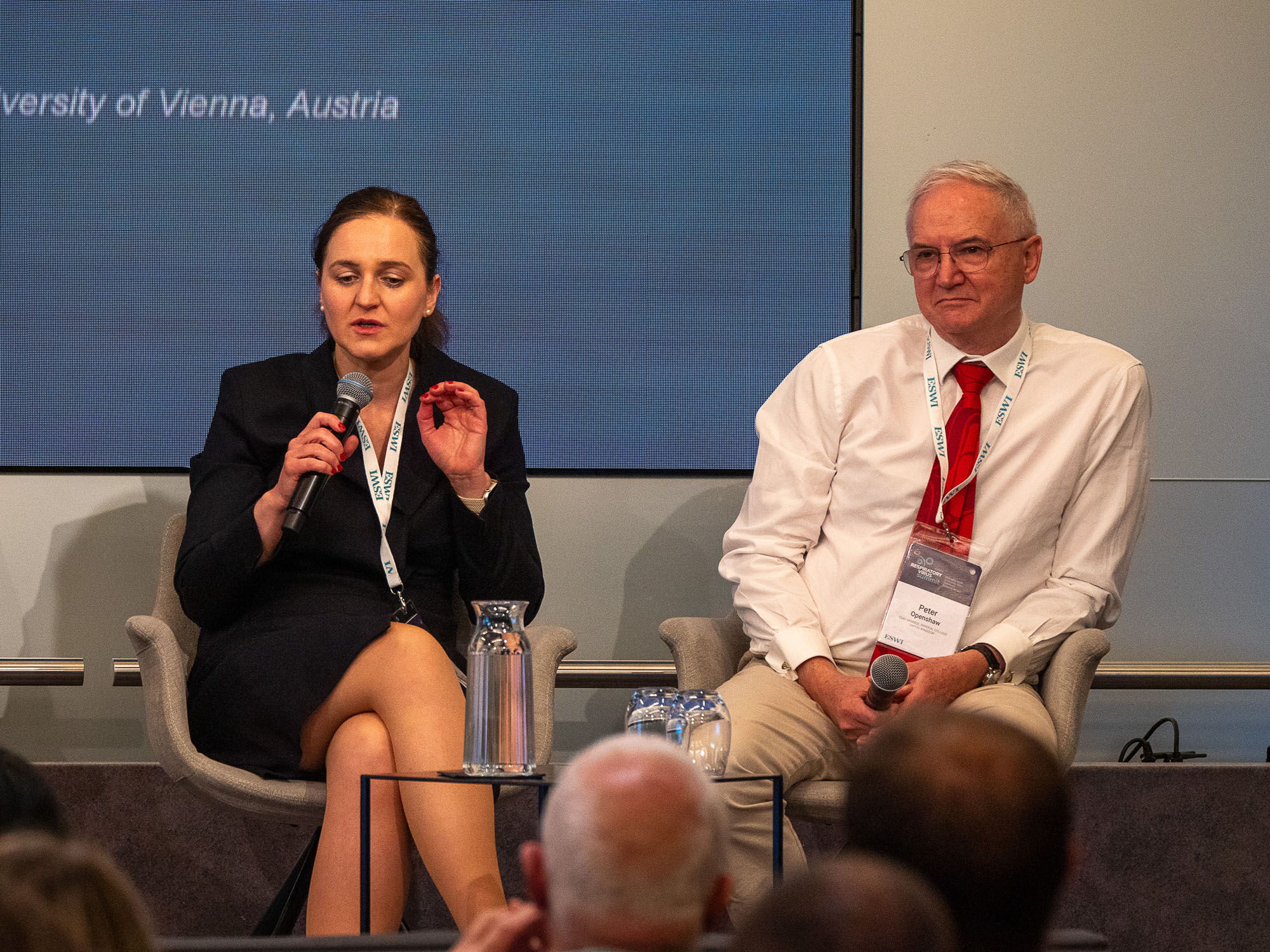
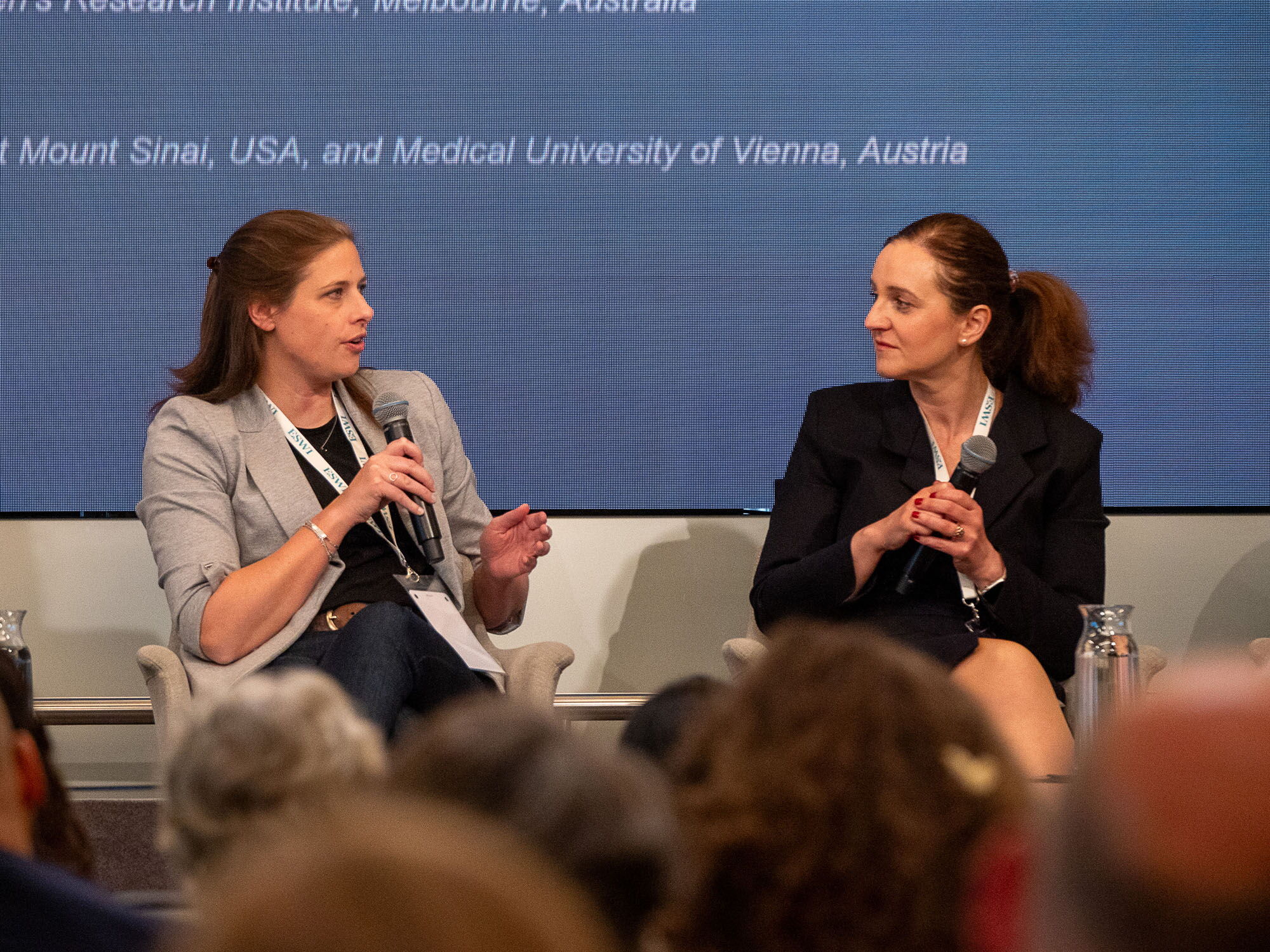
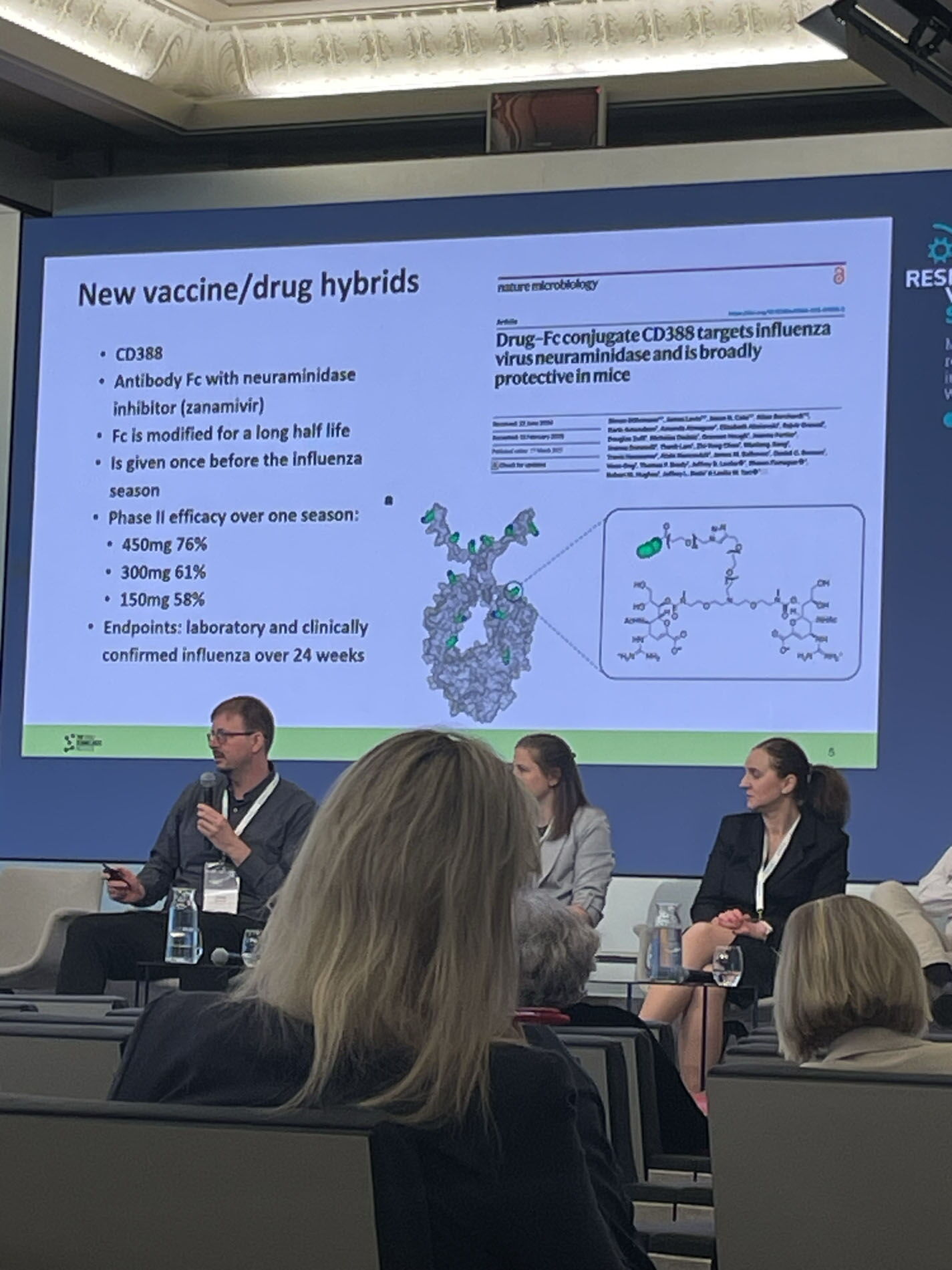
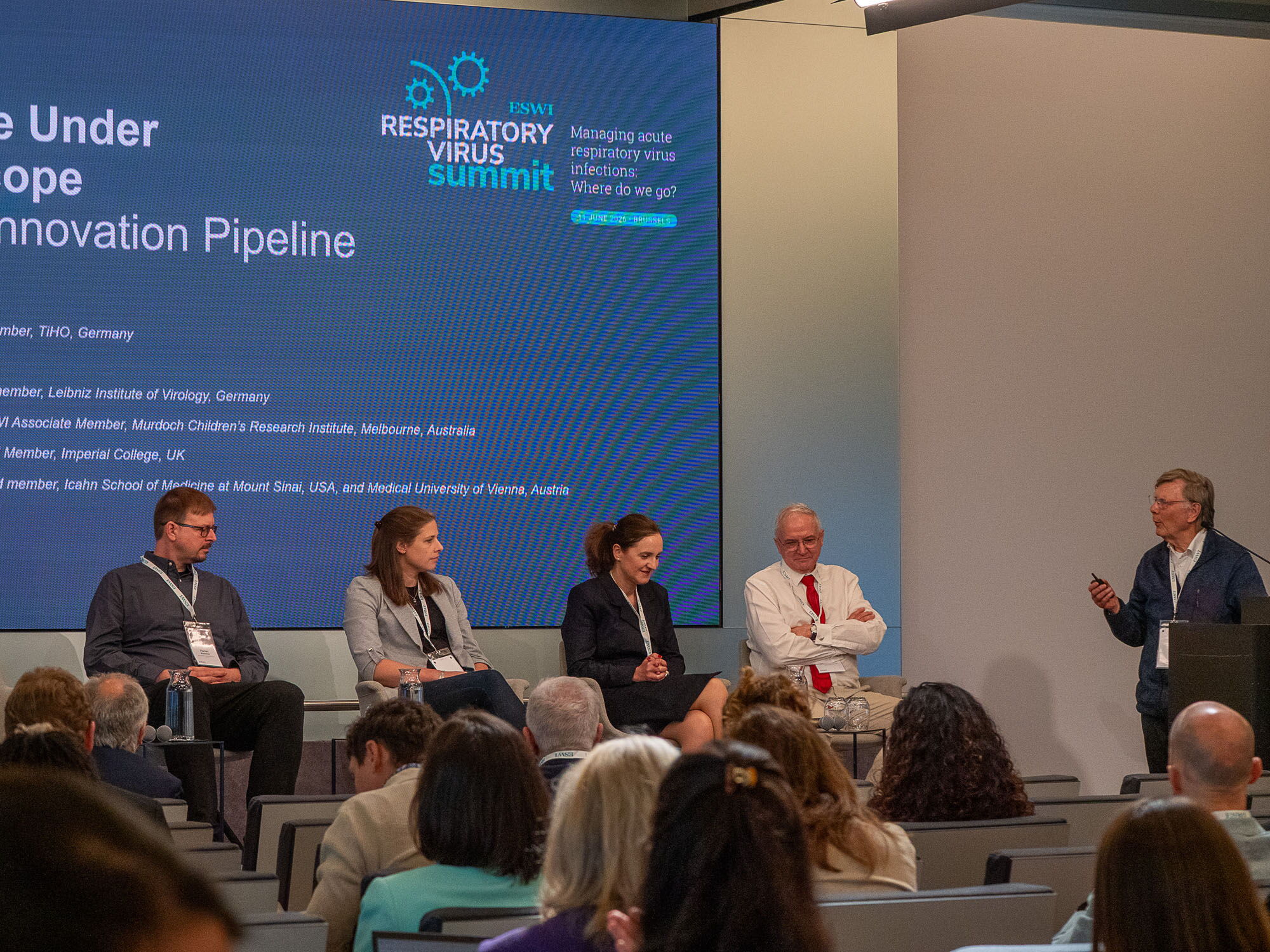
The Science Under the Microscope -Panel: The Innovation Pipeline at the Respiratory Virus Summit 2026
Goto: Video on demand | Programme | Presentations | Gallery | Speakers
Video on demand
Programme
Presentations
| File | Type | Size |
|---|---|---|
| Guelsah Gabriel - Sex, respiratory pathogenesis and vaccination.pdf | Adobe Portable Document Format | 1.1 MB |
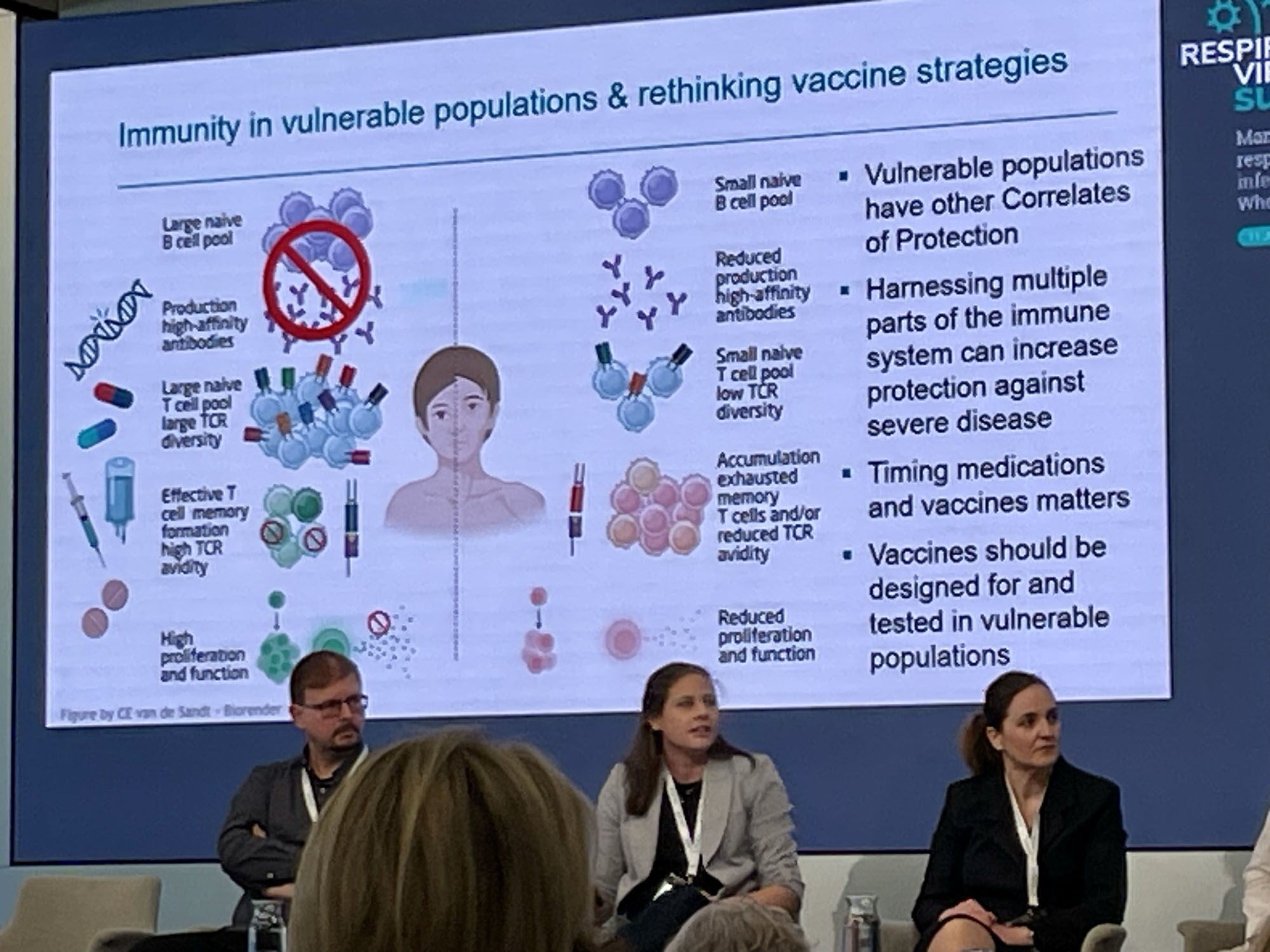
| Carolien van de Sandt - Rethinking vaccine strategies for vulnerable populations.pdf | Adobe Portable Document Format | 1.1 MB |
| Florian Krammer - Influenza vaccine innovations.pdf | Adobe Portable Document Format | 1010 KB |
Gallery
Speakers
Nationality: Dutch
Position: Founding Director of the Center of Infection Medicine and Zoonosis Research and Guest-Professor at the University of Veterinary Medicine Hannover
Research fields: Virus infections of humans and animals
Professor Osterhaus is the Founding Director of the Center of Infection Medicine and Zoonosis Research at the University of Veterinary Medicine Hannover, Germany, and cofounder/CSO of Viroclinics-DDL BV (currently part of CERBA) and ViroNative BV (both spin-outs of Erasmus MC) and CR2O. He was head of the Department of Viroscience at Erasmus MC Rotterdam until 2014.
He has a long track record as a researcher and project leader of numerous major scientific projects. At Erasmus MC, he has run a diagnostic virology lab with more than 40 staff and a research virology lab with over 150 personnel. His research programme follows an integrated “viroscience” concept, bringing together world-leading scientists in molecular virology, immunology, epidemiology, pathogenesis, and intervention studies for human and animal virus infections.
Among his major accomplishments are the discovery of more than 80 viruses of humans and animals (e.g. human metapneumovirus, coronaviruses, influenza viruses), elucidation of the pathogenesis of major human and animal virus infections, and development of novel intervention strategies. This has enabled health authorities like the WHO to effectively combat disease outbreaks like SARS and avian influenza. The established spin-outs are among his other societally relevant successes, allowing effective testing and refining of diagnostic tools and other intervention strategies.
Professor Osterhaus has acted as mentor for more than 85 PhD students and holds several key patents. He is the author of more than 1360 scientific papers in peer-reviewed journals, together cited > 90,000 times with an H index > 145. He holds several senior editorships and has received numerous prestigious awards. He is a member of the Dutch and German National Academies of Sciences, member of the Belgium Academia of Medicine, and Commander of the Order of the Dutch Lion.
- The Science Under the Microscope -Panel: The Innovation Pipeline at the Respiratory Virus Summit 2026
- The Science Under the Microscope - Keynote at the Respiratory Virus Summit 2026
- Science, Public Health, and Funding in a changing world
- Intervention Strategies: hMPV - the (not so) new kid on the block
- Flu vaccines - advancements, challenges, and global impact
- Which viruses could cause the next pandemic?
- Will there be a new pandemic? When will it be and are we better prepared for it this time around?
- Is COVID-19 worse than influenza?
- Scientific highlights of the 9th ESWI Influenza Conference
- ESWI Summit 2024: Rapporteur from the RSVVW’ 2024 meeting in Mumbai
- Webinar: Immunisation & Treatment
- ESWI Respiratory Virus Summit 2024
- The Ninth ESWI Influenza Conference: Highlights
- The Influenza B/Yamagata lineage appears to become extinct: implications for quadrivalent influenza vaccines?
- RSV looking towards the future
- ESWI pandemic preparedness summit: where science and policy meet
- Respiratory Virus Summit 2023
- Celebrating ESWI 30 years!
- “Flu, COVID and RSV: How to vaccinate?” symposium at Options XI
- ESWI Summit 2022 – Stakeholder Debate
- ESWI Summit 2022 - Conclusions
- World Influenza Conference
- ESWI Summit 2022: Pandemic Preparedness, Where Science and Policy Meet
- Pandemic Preparedness Planning in Peacetime
- World Vaccine Congress Europe 2022
- Flu and COVID-19 booster Vaccinations: where do we go?
- RSV Disease in a COVID-19 era
- COVID-19 Treatment and Medication
- Childhood Influenza Vaccination and treatment in a COVID-19 era
- Vaccination in a COVID-19 era
- Should we introduce national live vaccination programmes for children?
- Influenza in persons living with diabetes: Pathogenesis and prevention
Nationality: German
Position: Head of Department, Leibniz Institute of Virology (Germany); and Professor of Virology, University of Veterinary Medicine Hannover, Germany
Research fields: Interspecies transmission and pathogenesis of influenza A viruses; High-risk groups of influenza (pregnancy, asthma, obesity); New antiviral strategies against influenza
ESWI member since 2009
Gülşah Gabriel is head of the department Viral Zoonoses - One Health at the Leibniz Institute of Virology (LIV) in Hamburg and professor for Viral Zoonoses at the University of Veterinary Medicine Hannover. Her research focus is to understand the molecular basis of influenza A virus interspecies transmission from birds to humans as well as pathomechanisms in high-risk groups.
During the COVID-19 pandemic, her research group was among the first to identify key pathomechanisms that are currently discussed to contribute to long-term consequences after acute respiratory infections. These include SARS-CoV-2 replication in human adipose tissue (Zickler et al., Cell Metabolism 2022) and altered sex hormone metabolism in COVID-19 patients (Schroeder et al., Emerging Microbes & Infections 2021; Stanelle-Bertram et al., Cell Reports Medicine 2023).
In 2009, Gülşah Gabriel was the first winner of the ESWI Best Body of Work Award. She was elected Vice Chair of ESWI in 2014. She has received many prestigious awards for her research, e.g. the Robert-Koch Förderpreis awarded from the Robert-Koch Foundation, the Best Minds Award from the Leibniz Association and the DZIF Award for Translational Infection Research from the German Center for Infection.
Since 2024, Gülşah Gabriel is speaker of the newly established Leibniz Lab Pandemic Preparedness: One Health, One Future that combines the expertise of 41 Leibniz Institutes from various disciplines with practical knowledge to develop evidence-based strategies that permanently strengthen the pandemic resilience of science and society.
- The Science Under the Microscope -Panel: The Innovation Pipeline at the Respiratory Virus Summit 2026
- Transdisciplinary Approaches for Pandemic Preparedness
- CYP19A1 mediates severe SARS-CoV-2 disease outcome in males
- H7N9 avian influenza virus infection in men is associated with testosterone depletion
- How does a virus cause disease after transmission?
- Vaccination in a COVID-19 era
Dr Carolien van de Sandt is a Team Leader in the Cellular Immunology Group at the Murdoch Children’s Research Institute (MCRI) and an Honorary Senior Research Fellow at the University of Melbourne. Her principal area of expertise is in viral and aging immunology.
Carolien completed her PhD in 2016 at the Erasmus University in Rotterdam (the Netherlands) where she investigated the longevity, cross-reactivity and immune evasion strategies of influenza-specific CD8+ T-cells, followed by two years of postdoctoral research in the laboratory of Profs Rimmelzwaan and Osterhaus. In 2018, she was awarded the prestigious European Marie Sklodowska-Curie Action (MSCA) Fellowship and the University of Melbourne’s McKenzie Fellowship to join the Kedzierska laboratory, where she led the Aging Immunity Research Program which aims to unravel the mechanisms that underly gain and loss of CD8+ T cell function across human lifespan and in high-risk populations. During the pandemic Carolien temporarily relocated to the Netherlands as part of her MSCA Fellowship (2020-2021) where she led her own research team at Sanquin Research studying SARS-CoV-2 immunity in healthy and autoimmune patients. In 2022 she was awarded the ARC-DECRA Fellowship and the NHMRC Investigator EL2 Fellowship in 2025, to continue her Aging Immunity and T-cell Development Research. In 2025 she established her own research group at the Murdoch Children’s Research Institute.
Carolien has >70 publications including in leading scientific journals like Nature Medicine, Immunity, Nature Immunology and Nature Communications. The importance of her work has been recognized by 11 prestigious Awards including the Australian and New Zealand Society for Immunology (ASI)-Peter Doherty Medal (2024) and the European Scientific Working Group on Influenza (ESWI)-Claude Hannoun Prize for Best Body of Work (2023). In 2023, she received the Australian Institute of Policy and Science (AIPS)-Young Tall Poppy Award and ASI-Public Engagement Award for her contributions to public outreach and in 2024 she was shortlisted for the Nature Inspiring Women: Scientific Achievement Award (2024).
- The Science Under the Microscope -Panel: The Innovation Pipeline at the Respiratory Virus Summit 2026
- Science, Public Health, and Funding in a changing world
- Gradual changes within long-lived influenza virus-specific CD8+ T cells are associated with the loss of public TCR clonotypes in older adults
- Age and Latent Cytomegalovirus Infection Do Not Affect the Magnitude of De Novo SARS-CoV-2-Specific CD8+ T Cell Responses
- Flu vaccines - advancements, challenges, and global impact
- Being a scientist, not just a job
- Newborn and child-like molecular signatures in older adults stem from TCR shifts across human lifespan
- Meet the winner of the Claude Hannoun prize for Best Body of Work: Carolien van de Sandt
Nationality: British
Position: Respiratory physician and mucosal immunologist, Professor of Experimental Medicine, Imperial College, London
Research fields: Lung immunology, RSV, received a lifetime achievement in work on RSV research (Chanock prize, US, in 2012)
ESWI member since 2008
Peter Openshaw MD PhD CBE is Professor of Experimental Medicine at Imperial College London, UK. A respiratory physician and mucosal immunologist, his research focuses on how the immune response both protects against viral infection but also causes disease.
He has published widely on vaccinology, the immunopathogenesis of pulmonary viral diseases and lung inflammation. He is especially known for his work on respiratory syncytial virus (RSV), influenza and COVID-19, and for the development of human challenge in volunteers. He has co-authored over 400 publications and has an h-index of 105 (Google Scholar accessed Aug 2024). See also: https://orcid.org/0000-0002-7220-2555.
He was the first clinical President of the British Society for Immunology (2013-18) and served on many grant committees and Advisory Boards, becoming an Honorary Lifetime Member of the British Society for Immunology (2019). He has received prizes for his lifetime contribution to RSV research (Chanock Award, 2012), the European Federation of Immunological Societies Award (2014) and the Per Brandtzaeg Distinguished Scientific Achievement Award in mucosal immunology (2024).
He has built strong connections with journalists in print, radio and TV and used social media to promote accurate reporting of science stories, especially in relation to vaccines and respiratory disease. For example, he appeared over 100 times on national and international TV and radio between March 2021 and March 2022, explaining the complexities behind the COVID-19 pandemic response.
He advised the UK government on pandemics (SAGE, 2009-12; Chair/Vice-Chair of NERVTAG, 2015-2022). He was made a Commander of the British Empire for services to Medicine and Immunology in the 2022 UK New Year’s Honours and received the 2024 Imperial College Medal for his work as a Consul, supporting the development of the university’s Ethos, Values and Behaviours (Respect, Collaboration, Excellence, Integrity and Innovation).
- The Science Under the Microscope -Panel: The Innovation Pipeline at the Respiratory Virus Summit 2026
- RSV - the bumpy road towards a vaccine
- Is RSV a serious illness?
- How can you tell the difference between RSV and other respiratory diseases, like COVID-19 or influenza?
- ESWI Respiratory Virus Summit 2024 recap video
- Targeted metagenomics reveals association between severity and pathogen co-detection in infants with respiratory syncytial virus
- ESWI Summit 2024: Conclusions
- Welcome By The Co-Chairs at the Respiratory Virus Summit 2024
- Immunisation & Treatment - New approaches to influenza prevention and treatment - lessons learnt from COVID- 19
- Webinar: Immunisation & Treatment
- ESWI Respiratory Virus Summit 2024
- ESWI Symposium: RSV Looking towards the future
- RSV looking towards the future
- Respiratory Virus Summit 2023
- “Flu, COVID and RSV: How to vaccinate?” symposium at Options XI
- A mucosal perspective on pandemics
- Using correlates to accelerate vaccinology
- RSV Disease in a COVID-19 era
Nationality: Austrian
Position: Professor of Vaccinology at the Department of Microbiology at the Icahn School of Medicine at Mount Sinai (New York, USA) and Professor of Infection Medicine at the Medical University of Vienna (Austria)
ESWI member since 2022
Florian Krammer, PhD, graduated from the University of Natural Resources and Life Sciences, Vienna. He received his postdoctoral training in the laboratory of Dr. Peter Palese at the Icahn School of Medicine at Mount Sinai, New York working on hemagglutinin stalk-based immunity and universal influenza virus vaccines.
In 2014 he became an independent principal investigator and is currently the endowed Mount Sinai Professor of Vaccinology at the Icahn School of Medicine at Mount Sinai. He is also the co-director of the Center for Vaccine Research and Pandemic Preparedness (C-VaRPP). Furthermore, since 2024, Dr. Krammer is Professor for Infection Medicine at the Ignaz Semmelweis Institute at the Medical University of Vienna.
Dr. Krammer's work focuses on understanding the mechanisms of interactions between antibodies and viral surface glycoproteins and on translating this work into novel, broadly protective vaccines and therapeutics. The main target is influenza virus but he is also working on coronaviruses, flaviviruses, hantaviruses, filoviruses and arenaviruses. He has published more than 400 papers on these topics. Since 2019, Dr. Krammer has served as principal investigator of the Sinai-Emory Multi-Institutional Collaborative Influenza Vaccine Innovation Center (SEM-CIVIC), which develops improved seasonal and universal influenza virus vaccines that induce long-lasting protection against drifted seasonal, zoonotic and future pandemic influenza viruses.
- The Science Under the Microscope -Panel: The Innovation Pipeline at the Respiratory Virus Summit 2026
- Human monoclonal antibodies that target clade 2.3.4.4b H5N1 hemagglutinin
- Implementation of adult and risk groups national immunisation programmes
- Science, Public Health, and Funding in a changing world
- Characterization of the glycoproteins of novel fish influenza B-like viruses
- Next-generation seasonal influenza virus vaccines need a neuraminidase component
- Flu vaccines - advancements, challenges, and global impact
- What is the difference between monovalent and polyvalent vaccines?
- How are vaccines made?
- A chimeric haemagglutinin-based universal influenza virus vaccine boosts human cellular immune responses directed towards the conserved haemagglutinin stalk domain and the viral nucleoprotein
- The Nomadic Life of a Scientist
- Is eradication of influenza B viruses possible?
- SARS-CoV-2-infection- and vaccine-induced antibody responses are long lasting with an initial waning phase followed by a stabilization phase
- Sequential vaccinations with divergent H1N1influenza virus strains induce multi-H1 cladeneutralizing antibodies in swine
- We need to keep an eye on avian influenza
- Universal flu vaccines – soon a reality?
- Why Are Lots of Kids Likely to Be Sick This Holiday Season?
- Assessment of a quadrivalent nucleoside-modified mRNA vaccine that protects against group 2 influenza viruses
- 8th International Influenza Meeting
- Childhood Influenza Vaccination and treatment in a COVID-19 era