ESWI Education Hub provides articles and links to important scientific papers, reviewed by the ESWI Board members, and other online educational activities
Search experts on our site

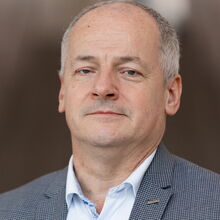
Roman Prymula
ESWI Board Member, Charles University, Prague, Czech Republic
Nationality: Czech
Position: Professor of Epidemiology, Charles University, Prague; and Chair, School of Public Health, Postgraduate Medical School, Prague
Research fields: Preventive medicine, clinical development of new vaccines (pneumococcus; rotavirus; measles, mumps, rubella (MMR); and human papillomavirus)
ESWI member since 2013
Professor Roman Prymula holds the position of Professor of Epidemiology at the Charles University in Prague, School of Medicine Hradec Kralove, Department of Preventive Medicine and Chair of the School of Public Health, Postgraduate Medical School Prague at the same time.
He received his medical degree from Charles University, Prague in 1988 and his PhD from Purkyne Military Medical Academy, Hradec Kralove in 1999. Prof. Prymula also studied at the University of Birmingham, UK, where he completed an International Certificate in Hospital management in 1995. In 1996 he became associate professor of epidemiology.
He has been involved in various research activities in preventive medicine, including clinical development of new vaccines, such as those for pneumococcus; rotavirus; measles, mumps, rubella (MMR); and human papillomavirus. In addition to his active research and teaching activities, he has served as a member of the European Centre for Disease Prevention and Control (ECDC) management board, Chairman of the Central European Vaccination Awareness Group, and Chairman of the Czech Vaccinological Society JEP.
Prof. Prymula is on the editorial board of several scientific journals and serves as a consultant for several national and international organisations. He is the former Minister of Health in the Czech Republic.

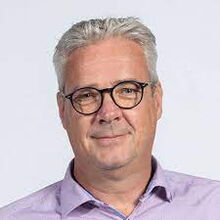
Ron Fouchier
Erasmus MC, The Netherlands
Nationality: Dutch
Position: Professor, Molecular Virology
Ron Fouchier is currently a professor in Molecular Virology at Erasmus MC Rotterdam, where he is also the deputy head of the Viroscience department. He obtained a PhD in 1995 for HIV/AIDS research at the University of Amsterdam with Hanneke Schuitemaker and Han Huisman and continued HIV work at the Howard Hughes Medical Institute, University of Pennsylvania School of Medicine as a postdoc with Michael Malim. Late 1998 he started a Molecular Virology research line on respiratory viruses, in particular influenza, at Erasmus MC.
Ron Fouchier’s team contributed substantially to the identification and characterization of various “new” viruses, such as human metapneumovirus, human coronavirus NL63, SARS coronavirus, MERS coronavirus, and influenza A virus subtype H16. Currently, his research is focused on respiratory viruses of humans and animals, antigenic drift, and influenza virus zoonoses, transmission and pandemics.
Ron Fouchier is elected member of the Royal Dutch Academy of Sciences (KNAW), the Royal Holland Society of Sciences and Humanities (KHMW) and Academia Europeae. In 2006 he received the Heine-Medin award of the European Society for Clinical Virology and in 2013 the Huibregtsen award for top innovative science with societal impact. Fouchier is a web-of-science Highly Cited author.
Related content


Roxana Badiei
International Federation of Ageing, Canada
Roxana joined IFA as a project officer in 2022. She holds a Bachelor of Applied Science, specializing in Nutrition Science from Ryerson University, and is working towards a concurrent dual Master of Business Administration (MBA) and Master of Public Health (MPH). Roxana has been involved in many researchand policy-based projects in non-profit, governmental,and intergovernmental organizations, further developingher interests and skills concerning the social determinants of health, research, and health advocacy.
Roxana is experienced in the area of research, integrated with an empathetic driven mindset acquired from her professional experiences. She has worked in the Ministry for Seniors and Accessibility, supporting the program evaluation of the Seniors Active Living Centres, as well as has been directly involved in the development of the Trustworthy Artificial Intelligence Framework, supported by the Ontario Digital Service from the Ministry of Finance.
Related content


Ruth Karron
Johns Hopkins Bloomberg School of Public Health, United States of America
Ruth A. Karron, M.D.
Professor, International Health
Bloomberg School of Public Health
Joint Appointment, Pediatrics
School of Medicine
Johns Hopkins University
Dr. Karron is a pediatric infectious diseases physician, virologist, and vaccinologist, Professor in the Department of International Health at the Bloomberg School of Public Health, and Director of the Johns Hopkins Vaccine Initiative. Dr. Karron has substantial experience in the evaluation of respiratory virus vaccines in adult and pediatric populations. Her research interests also include the development of immune responses to respiratory viral infections in early life, the epidemiology of RSV and other respiratory viral diseases in low resource settings, and public policy and ethical issues related to vaccine development and distribution. Dr. Karron has been a member of a number of national and international vaccine advisory committees and panels, including the CDC Advisory Committee on Immunization Practices (ACIP) and the COVAX ACT-acclerator COVID Vaccine Maternal Immunization Working Group, and is a current member of the GAVI VIS Steering Committee. She has chaired the FDA Vaccine and Related Biological Products Advisory Committee (VRBPAC) and the Vaccines Advisory Panel for the Wellcome Trust, and currently chairs the WHO Product Development for Vaccines Advisory Committee (PDVAC). In 2016, Dr. Karron received the Robert M. Chanock award for outstanding lifetime contributions to RSV research.
Related content


Sebnem Guneyman
diabetes advocate, living with T1D,
- Studied German and English Literature in Switzerland and England.
- Diagnosed with T1 diabetes in 1973.
- Get certifications on Life and Diabetes Coaching and Family Counsellor.
- Worked as Peer to Peer project with Turkish Diabetes Foundation.
- Make programmes for Diabetes Living at Television.
- Make workshops for What are the expectations from the healthcare team as a person living with diabetes.
- Wrote three books about Diabetes.
- Members of Turkish Diabetes Foundation and Living with Diabetes Association.
- Doing television programme this year as well.
- Worked at Houston-Texas Methodist Hospital in International Department


Seema Lakdawala
Emory University School of Medicine, Georgia, United States of America
Seema Lakdawala is an Associate Professor in the Microbiology and Immunology Department at the Emory School of Medicine. Her lab studies epidemiological success of influenza A viruses to better predict future pandemics. Specifically, Lakdawala Lab is interested in intracellular assembly of influenza viruses and person-to-person transmission of viruses. They combine biochemistry and sophisticated microscopy tools to define where, when and how assembly of influenza genomic RNA occurs. This research has broad implications for understanding the reassortment potential of circulating animal influenza viruses and may lead to the development of new antiviral targets.
In addition, airborne transmission of influenza viruses is critical for rapid spread of the virus during epidemics and pandemics. They have established a method to study the viability of influenza viruses in expelled aerosols and droplets at different environmental conditions, as well as the airborne transmissibility of influenza viruses in the ferret model. These studies will define the viral and environmental properties that promote the spread of influenza. Combining these two areas of research, they will be able to develop a comprehensive surveillance system to determine the pandemic potential of circulating zoonotic influenza viruses, which will be useful in all areas of pandemic preparedness.

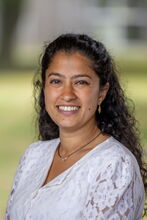
Shweta Mahajan
National Institute of Public health and Environment, The Netherlands
I am born in India where I did my bachelors. I moved to the Netherlands in 2016 (ten years ago) for my masters. I did the research master infection and immunity at Erasmus MC. Following that, I did my PhD at the lab of Reno Debets at Erasmus medical center, Rotterdam in Identification of EBV specific TCRs and immune evasion mechanisms for immunotherapy treatment of EBV positive head and neck cancer patients.
I am currently working at the Dutch Institute of public health and environment (RIVM) on understanding the short and long term impact of vaccination for Influenza and applying those findings to generate awareness on childhood vaccination policy. My greater vision now for the future is to build scientific collaborations between EU and India in the future in infectious disease immunology.


Simon Drysdale
St George’s University Hospitals NHS Foundation Trust, UK
BSc (Hons), MBBS, FRCPCH, PhD, PgDip PID (Oxford)
I am a consultant and clinical lead in paediatric infectious diseases and immunology at St George’s University Hospitals NHS Foundation Trust, London, UK and an honorary senior lecturer at St George’s, University of London (SGUL). I lead the St George’s congenital infection clinic, am the hospital’s paediatric antimicrobial stewardship lead and am the South-West London lead for post-COVID19 syndrome. I am the chief examiner for penultimate year medical students at SGUL and teach on multiple undergraduate and postgraduate courses in SGUL and externally. I am the Royal College of Paediatrics and Child Health (RCPCH) paediatric immunology and infectious diseases college specialty advisory committee (CSAC) training advisor. I also work as a member of several large European collaborative research studies, and act as chief and principal investigator on multiple clinical trials investigating diagnostics, novel treatments, and prophylactics for a variety of infectious conditions. My main research interests are perinatal infections, antimicrobial resistance and stewardship and epidemiology, management and prevention and host susceptibility to respiratory syncytial virus (RSV) and other respiratory viral infections. I also sit on multiple local, national, and international committees related to paediatrics including the UK Department of Health and Social Care’s (DHSC) Joint Committee on Vaccination and Immunisation (JCVI) RSV subcommittee and the Medicines and Healthcare products Regulatory Agency’s (MHRA) Paediatric Medicine Expert Advisory Group (PMEAG).
Related content

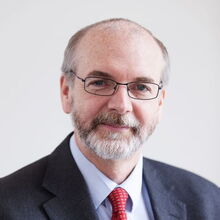
Sir Andrew Pollard
Director of the Oxford Vaccine Group, UK
Professor Sir Andrew Pollard BSc MA MBBS MRCP(UK) FRCPCH PhD DIC FHEA FMedSci
Ashall Professor of Infection and Immunity
Sir Andrew is Director of the Oxford Vaccine Group at the University of Oxford and an honorary consultant paediatrician (infectious disease and immunology) at Oxford Children’s Hospital. He received a knighthood in the Queen’s Birthday Honours in 2021 for services to Public Health and the Order of Medical Merit from the Federal Republic of Brazil in 2022.
His research includes the design, development and clinical evaluation of vaccines including those for typhoid, meningococcus, Haemophilus influenzae type b, pneumococcus, plague, pertussis, influenza, rabies, coronavirus and Ebola. His work on pneumococcal and meningococcal vaccines has been used in global public health policy. His studies on typhoid both using the human challenge model and in field sites supported the WHO prequalification of a new typhoid conjugate vaccine and WHO recommendations for its use in countries with a high burden of disease with more than 50 million vaccinated since 2021. He was the chief investigator for the clinical trials of the Oxford-AstraZeneca vaccine in 2020 in 24,000 participants in UK, South Africa and Brazil, which led to authorisation of the vaccine for use in more than 180 countries with over 3 billion doses distributed and award of the Copley Medal by the Royal Society in 2022. He has supervised 50 PhD students and his publications includes over 700 manuscripts. He chairs the UK Department of Health and Social Care’s Joint Committee on Vaccination and Immunisation, and was a member of WHO’s Strategic Advisory Group of Experts (2016-2022). He chaired the European Medicines Agency scientific advisory group on vaccines (2012–2020). He received the Bill Marshall Award of the European Society for Paediatric Infectious Disease (ESPID) in 2013, the ESPID Distinguished Award for Education and Communication in 2015 and the Rosén von Rosenstein medal in 2019 from the Swedish Society of Medicine, the James Spence Medal from the Royal College of Paediatrics and Child Health in 2022. He is chair of the Knoop Charitable Trust and is a trustee of the Jenner Vaccine Foundation, the Academy of Medical Sciences and the Oxford Philharmonic Orchestra.

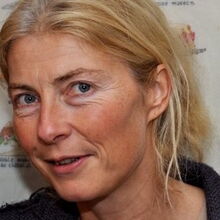
Solvejg Wallyn
EUREGHA, Belgium
Solvejg Wallyn is policy coordinator International Health issues at the Flanders Agency for Care and Health. Her primary concern is to ensure that the health and care policy development in Flanders will benefit from bilateral and international exchanges. As policy coordinator she works closely together with the Regions for Health Network of WHO Europe, the European Network for Regional and Local Health Authorities. She is also responsible for the follow up of the work of the EU Commission and Working Groups of the Council.
Related content

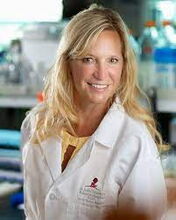
Stacey Schultz-Cherry
St. Jude Children's Research Hospital, United States of America
Stacey Schultz-Cherry, PhD, is a Member (Professor) in the Department of Host-Microbe Interactions at St Jude Children’s Research Hospital in Memphis, TN as well as Senior Associate Dean for Academic Affairs in the St Jude Graduate School of the Biomedical Sciences. She serves as Co-Director of not only the Center for Excellence in Influenza Research and Response but also the Collaborative Influenza Vaccine Innovation Center, both research centers supported by the National Institute of Allergy and Infectious Diseases.
Dr. Schultz-Cherry received her PhD in Molecular and Cellular Pathology from the University of Alabama at Birmingham investigating extracellular matrix and growth factor interactions. After a short postdoctoral fellowship at the University of Wisconsin-Madison studying influenza virus- induced apoptosis and cellular responses, she served as a Lead Scientist at the U.S. Department of Agriculture Southeast Poultry Research Laboratory in Athens, GA, doing research on emerging highly pathogenic avian influenza viruses and astroviruses. She subsequently joined the faculty in the Department of Medical Microbiology and Immunology at the University of Wisconsin, Madison Medical School rising to become tenured Associate Professor before moving to St Jude Children’s Research Hospital in 2009.
Dr. Schultz-Cherry is recognized internationally for her studies on the pathogenesis of influenza and enteric viruses, especially astroviruses, in high-risk populations, and on the interactions of influenza viruses among different avian species and other animals and humans. She is the author and co-author of over 250 research articles, reviews, and book chapters and has lectured internationally. She has been a member of the editorial boards of several prominent journals and is now the editor-in-chief of the Journal of Virology.
Dr. Schultz-Cherry has served on the National Institutes of Health study sections and other of its institutional committees. She was elected President of the American Society for Virology in 2017, is the current chair of the Public and Scientific Affairs Committee for the American Society for Microbiology and is an American Academy of Microbiology Fellow. Since 2012 she has been Deputy Director of the World Health Organization Collaborating Center for Studies on the Ecology of Influenza in Animals and Birds.

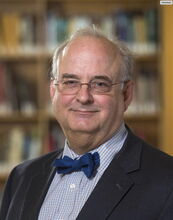
Stefan Gravenstein
Brown University, United States of America
A geriatrician, former John Franklin Chair of Geriatrics and Director of the Glennan Center for Geriatrics and Gerontology at Eastern Virginia Medical School (1996-2007), and Director of Center for Geriatrics and Palliative Care at University Hospitals in Cleveland (2014-2017), he is now the David S. Greer Professor of Geriatrics and Professor in the departments of Medicine and Health Services Policy and Practice at Brown's schools of medicine and public health. He serves as the Director, Division of Geriatrics and Palliative Medicine at the Alpert Medical School of Brown University and Associate Director of the Center on Innovation in Long-Term Services and Supports at the Providence Veterans Administration Medical Center. Dr. Gravenstein has a long-standing interest in immunity, inflammation, cardiovascular outcomes and aging especially in the context of vaccines and the long-term care setting, and the topic of the majority of his publications. He also has a specific interest in quality improvement in health care, the culture of care, antimicrobial stewardship, and how to improve care transitions. Beginning in 2020, he became active in several projects related to COVID in long-term care. He was Clinical Director at Healthcentric Advisors, Medicare's Quality Improvement Organization for New England from 2007 to 2019.
Related content
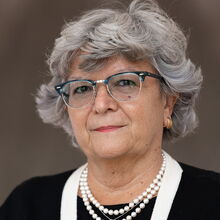
Stefania Maggi
ESWI Board member, National Research Council of Italy, Italy
Nationality: Italian
Position: Research Director, CNR Ageing Branch, Neuroscience Institute, Padova (Italy)
Research Fields: Clinical epidemiology and geriatrics. Main focus on lifelong approach to healthy ageing
ESWI member since 2022
Dr. Stefania Maggi received her degree in Medicine and Surgery from the University of Padua, Italy in 1983. She also attended the Graduate School of Geriatrics and Gerontology from the same University until 1987 and in 1988 she received her Master in Public Health from John Hopkins University in Baltimore (USA). Dr. Maggi also holds a PhD in Clinical Pathophysiology from the University of Padua, which she received in 2000.
Dr. Maggi has a specific interest in the epidemiology of ageing and in the analysis of factors promoting health ageing in a lifelong approach. From 1983-1985, Dr. Maggi worked as an attending physician at the Internal Medicine Department for the University Hospital in Padua before she spent the years of 1988-1989 as a postdoctoral fellow at the National Institute of Arthritis and Musculoskeletal and Skin Diseases (NIAMS), for the National Institute of Health (NIH) in Bethesda, Maryland (USA). From 1989-1993, she worked as the Coordinator for the WHO Program on Ageing, before she moved on to work as a researcher in the Ageing branch at the Institute of Neuroscience, Consiglio Nazionale Delle Ricerche (CNR), Padua. Dr. Maggi worked as a researcher from 1993-2007 before becoming Research Director for the same branch and institute, in 2007, a position she currently holds. In this position, she coordinates several national and international research projects on nutrition, vaccines and lifestyle as key factors for promoting healthy ageing. Dr. Maggi is also an Adjunct Professor in the Graduate Schools of Geriatric Medicine at the University of Padua, which she has been since 2000.
Moreover, Dr. Maggi is the Editor in Chief of “Ageing Clinical and Experimental Research” (Springer) and has more than 800 publications, both in peer-reviewed journals and many book chapters.
Related content
- The Value of Immunisation: Policy & Economics - Policy Panel: Inequalities and Implementation in the EU
- The Value of Immunisation: Policy & Economics - Fireside chat: The Economics of Prevention
- The Hidden Burden: Chronic Diseases & Respiratory Viruses - Panel at the Respiratory Virus Summit 2026
- Europe needs a Life Course Immunisation Strategy
- ESWI invites coalition partners: Life Course Immunisation: A Seamless Approach to Protection Across All Ages
- Association between vaccinations and risk of dementia: a systematic review and meta-analysis
- Burden of disease in acute respiratory virus infections
- ESWI invites coalition partners: Life Course Immunisation: A Seamless Approach to Protection Across All Ages
- RSV - the bumpy road towards a vaccine
- Will individuals need an annual COVID-19 vaccination?
- What are the risks of RSV infections for older individuals?
- ESWI Respiratory Virus Summit 2024 recap video
- Welcome By The Co-Chairs at the Respiratory Virus Summit 2024
- Burden of acute respiratory virus infections
- ESWI Respiratory Virus Summit 2024
- Communication: Raising awareness on the burden of disease
- ESWI Symposium: RSV Looking towards the future
- Burden of disease - A focus on acute respiratory viruses in older adults
- RSV looking towards the future
- Respiratory Virus Summit 2023
- A geriatrician's insight into reducing the burden of disease in older adults


Sue Saville
Former Medical Correspondent at Britain’s ITV News, UK
Sue is a highly-experienced TV news journalist with a specialism in medical matters. She was Medical Correspondent at ITV News for many years and now freelances for national news, alongside chairing conferences and medical symposia, hosting awards events, running media and PR training, consulting to the pharmaceutical industry and making corporate films.


Susanne Herold
ESWI Associate Member, Giessen University Hospital, Germany
Nationality: German
Position: Professor of Pulmonary Infections Universities Giessen & Marburg Lung Center, and Head of the Infectious Diseases Department at the Giessen University Hospital, Giessen, Germany
Research fields: Influenza Viruses , pneumonia and coronaviruses
ESWI member from 2016 – 2022
Associate member since 2022
Professor Susanne Herold studied medicine at the University of Giessen from 1995 to 2002. She received her doctorate in 2003 with a thesis on monocytes in the lungs and acquired her PhD 2008 at the University of Giessen. Since 2013, she has been a visiting professor at Northwestern University in Chicago for the Department of Pulmonary and Intensive Care Medicine.
In 2018, Susanne Herold took over the professorship for infectious diseases of the lungs at the University of Giessen and at the same time became head of the Infectious Diseases Department at the Giessen University Hospital.
She has been a member of numerous specialist societies, including the Academy of Charitable Sciences in Erfurt and the German Center for Infection Research since 2017. She is also a member of the Scientific Advisory Board of the Robert Koch Institute and deputy chairman of the German Society for Infectious Diseases. Since 2016, Prof. Herold has been leading a DFG- funded clinical research project on lung damage caused by viruses.
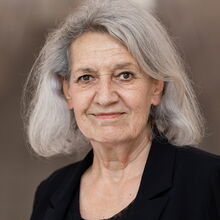
Sylvie van Der Werf
ESWI Associate Member, Institut Pasteur, France
Nationality: French
Position: Head of unit of Molecular Genetics of RNA viruses, Department of Virology, Institut Pasteur
Research fields: Epidemiological and virological surveillance of human influenza viruses and of other respiratory viruses
ESWI member from 1998 – 2022
Associate Member since 2022
Professor Sylvie van der Werf has a degree in Physiology and Biochemistry Agrégation (National Teaching Degree), a Doctorate in Microbiology with an option in Virology at the University of Paris, and a Doctorate in Natural Sciences specialising in Virology, also at the University of Paris.
She heads the unit of Molecular Genetics of RNA viruses which associates three research groups on influenza viruses (Epidemiology and evolution of respiratory viruses / Influenza virus-host cell interactions / Virus interactomics and one research group on hepaciviruses (Hepacivirus / host interactions). Professor van der Werf is also Director of the coordinating center of the National Reference Centre for influenza viruses and WHO National Influenza Center (NIC) for Northern France as well as WHO Reference Laboratory for H5 influenza viruses and for the SARS coronavirus (SARS-CoV).
Past research positions include: Deputy-Director of the Fundamental Virology Course, Deputy-Chairman of the Department of Virology, Director of the URA 1966 CNRS Molecular Virology Unit. She is the author of 70 original scientific papers and more than 30 other scientific publications.
Related content

ESWI Associate Member, Retired General Practitioner and vocational trainer, Amersfoort, The Netherlands
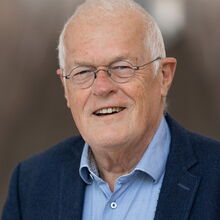
Ted Van Essen
ESWI Associate Member, Retired General Practitioner and vocational trainer, Amersfoort, The Netherlands
Nationality: Dutch
Position: Retired General Practitioner and vocational trainer, Amersfoort, The Netherlands
Research fields: Clinical aspects of influenza vaccination
ESWI member since 2001
Dr. van Essen became a General Practitioner in 1976 and Vocational Trainer in 1981 based in Amersfoort, the Netherlands. He was also Assistant Professor (since 1992) at the Julius Center for Health Sciences and Primary Care, University Medical Center, Utrecht. Dr Van Essen obtained his degree at the University of Groningen (M.D. and G.P.) and at Utrecht University where he received his Ph.D.
He is chair of the Dutch Immunisation Foundation. From 2000-2004, he was also the President of the Dutch College of General Practitioners. From 1996 to 2000 he was editor of Bijblijven, a Dutch CME-Journal.
Known on TV as Dr Ted, he is well known in The Netherlands for his work as a TV doctor, providing his medical insights for a wide and varied national audience. He was a member of the board of several leading healthcare institutions, including the Supervisory Board of Dimence, a large mental healthcare institution in Overijssel.
Related content
- Uptake & Confidence: Building Trust in Vaccination - Panel Discussion: Building Trust Across Generations
- Implementation of adult and risk groups national immunisation programmes
- Implementation of adult and risk groups national immunisation programmes
- Intervention Strategies: Bonus Episode - Busting myths and restoring trust in vaccines
- Can COVID-19 vaccines be trusted when they have been developed so quickly?
- When is the best time to get vaccinated for influenza?
- How to be an inFLUencer: the role of a general practitioner

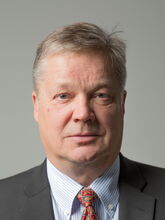
Terho Heikkinen
ESPID, University of Turku, Finland
Professor Terho Heikkinen graduated from the Medical School at the University of Turku in 1984, where he also specialized in Paediatrics and Paediatric Infectious Diseases. He defended his thesis on Development and prevention of acute otitis media in children in 1994. Having received the European Society for Paediatric Infectious Diseases Fellowship Award, he worked in 1996-1998 as a post-doc Research Fellow at the University of Texas Medical Branch at Galveston, USA. Subsequently, he worked as a Senior Clinical Researcher and Clinical Lecturer at the Department of Paediatrics, University of Turku. Since 2016, he has been Professor of Paediatrics at the Faculty of Medicine, University of Turku.
During the years, Terho Heikkinen has served as the chairman or a board member of several international and domestic societies in the field of paediatric infectious diseases, including the President of the World Society for Pediatric Infectious Diseases. He is a former board member of the European Scientific Working Group on Influenza (ESWI), a scientific advisory board and executive committee member of the global Respiratory Syncytial Virus Network (ReSViNET), and the chairman of the Nordic Research Network for Paediatric Infectious Diseases (NORDPID).
Related content


Thea Kølsen Fischer
Statens Serum Institute, Denmark
MD, DMSc, EIS, MPG, Public Health Specialist, Director of Clinical Research.
Background in public health, virology and epidemiology- specialized in virus epidemics. Professor at Univ. of Copenhagen, Denmark in Public Health, Virus Infections and Epidemics.
Prev. positions incl.: Dir. of the National WHO Influenza Centre & WHO Reference Labs for Measles, Rubella & Polio. Sen. Consultant and Head of the Virology Surv. and Research Unit at Statens Serum Institut (SSI), Staff specialist (inf. diseases & health system strengthening) & Acting Head of Int. Affairs at Nat. Board of Health, Resident in intern medicine at Rigshospitalet, Epi researcher at SSI, Denmark (PhD student and postdoc: epi. research incl. mathematical modelling of epidemics and vaccine efficacy), Virology researcher (cultivation, PCR, cloning and sequencing) and EIS (outbreak investigations: response/control of epidemics), CDC, Atlanta, USA and supervisor of Gastro Section at National Public Health Laboratory in Bissau, Guinea-Bissau.
(Co-)authoring >200 peer-reviewed publications (H-index: 42).
National representations for the European Center of Disease Prevention & Control (ECDC):
National Microbiology Focal Point (2012-2018)
National coordinator of the EU Progr. for Public Health Microb. training (EUPHEM) (2012-18)
Member of the Mol. Typing Task Force (2015-18)
Member of the ESCAIDE Scientific Committee (2012-17)
Main research focuses are related to pub. health applied virology incl. surveillance, epidemic control and vaccinology.
Leadership competencies & interests strengthend with a master in public governance at Cph Business School, (thesis "Benchmarking as budget-control tool at public hospitals").
Specialties:
- Member of The Royal Danish Academy of Sciences & Letters (2018)
- Master in Public Governance (2017)
- Professor (Adj SDU) Inf. Dis. & Global Health (2014)
- Public Health Specialist (2010)
- DMSc/Dr med (virology & epidemiology) 2002)
- Epidemic Intelligence Service Officer (EISO) (2003)
- MD (1994)


Toby Look
UK Health Security Agency, UK
I am a Senior Scientist at the UK Health Security Agency (UKHSA), specialising in the development and validation of immunological assays for vaccine evaluation and clinical trials. My work focuses on high-throughput pseudovirus neutralisation assays for emerging and high-consequence pathogens, including avian influenza, Nipah virus, and filoviruses, within regulated environments.
I completed my PhD in Infection and Immunity at the University of Edinburgh, where I used CRISPR–Cas9 screening and next-generation sequencing to study host–virus interactions.
I have expertise in molecular biology, assay development, and data analysis, and I am particularly interested in advancing scalable tools to support pandemic preparedness.

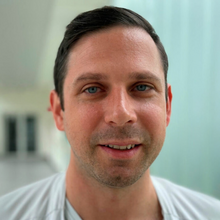
Tor Biering-Sørensen
ESWI Associate Member, University of Copenhagen, Denmark
Research Fields: Cardiovascular Imaging, Heart Failure, Infections effect on cardiovascular outcomes, Randomized clinical trials
Dr. Biering-Sørensen has an outstanding academic and research background. He earned his medical degree from the University of Copenhagen in 2011 and completed his Ph.D. at the same institution in 2015. He subsequently obtained a Master of Public Health from Harvard University in 2018 and a Master of Science in Clinical Trials from University of Oxford in 2023.
He is the Founding Head of the Center for Translational Cardiology and Pragmatic Randomized Trials (CTCPR), a collaborative initiative between Copenhagen University Hospital Herlev-Gentofte and the Department of Biomedical Sciences at the Faculty of Health and Medical Sciences, University of Copenhagen. He is also the Founding Head of the Cardiovascular Non-Invasive Imaging Research Laboratory (CIRL), an internationally recognized research center renowned for its pioneering work in cardiovascular imaging.
Together with his team at CTCPR and CIRL, comprising more than 50 affiliated researchers, Dr. Biering-Sørensen leads extensive research focused on the application of cardiovascular imaging to improve individualized risk assessment and patient care. He has also initiated and led several large-scale pragmatic randomized clinical trials leveraging Denmark’s nationwide health registries, making significant contributions to the development and implementation of pragmatic trial methodologies.
As an academic leader, Dr. Biering-Sørensen has received numerous prestigious national and international research awards in recognition of his scientific contributions. He has authored more than 550 peer-reviewed publications in leading medical journals, including The New England Journal of Medicine, The Lancet, JAMA, and Nature Medicine. In addition, he mentors a large number of medical students, Ph.D. candidates, and postdoctoral researchers, providing guidance across a broad range of clinical research disciplines, with particular expertise in cardiovascular imaging, randomized clinical trials, heart failure, and the cardiovascular consequences of infectious diseases.
Related content
- #IDCBreathAndBeyond calls for respiratory virus prevention to be fully integrated into NCD care
- (Recording available) IDC Partner Session at WOHC2026 - Exploring bidirectional links between respiratory viruses & non-communicable diseases
- (Recording available) ESWI Partner Session at WOHC2026 - The Ongoing H5N1 Panzootic: A Continuing Threat to Animals and Humans
- Respiratory Infections and NCDs: Evidence, Mechanisms and Clinical implications
- The Hidden Burden: Chronic Diseases & Respiratory Viruses - Panel at the Respiratory Virus Summit 2026
- The Hidden Burden: Chronic Diseases & Respiratory Viruses - Keynote at the Respiratory Virus Summit 2026
- The Two-Way Street: When Respiratory Viruses Meet Chronic Illness

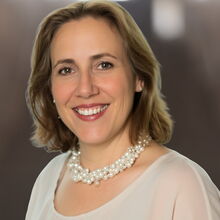
Ursula Kunze
ESWI Associate Member, University of Vienna, Austria
Formal education
05/2000: Habilitation, University of Vienna
March 1995: Graduation
10/88-01/95: Medical school, University of Vienna
1976-1988: Elementary and secondary school, Vienna
Professional experience
since 02/2001: Associate Professor, Institute of Social Medicine, Center for Public Health, Medical University Vienna
11/96-09/2000: Research Assistent, Institute of Social Medicine, University of Vienna
04/1995-11/96: Research Assistent, Institute of Tumorbiology&Cancer Research, Department of Epidemiology, University
Areas of Expertise:
Public Health in general, Public Health and vaccinations with specific focus on influenza and tick-borne encephalitis, pandemic planning, social marketing and public health, epidemiology of infectious diseases
Publications
approx. 100 scientific publications
numerous contributions in medical und lay press
Further Activites
Teaching activity at the Medical Universtiy Vienna
Membership of several oranisations and association, e.g. secretary general of the Austrian association of the promotion of education in vaccination matters

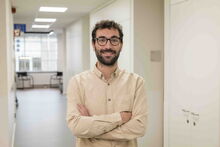
Valentino D'Onofrio
Ghent University, Belgium
Valentino D'Onofrio obtained his PhD at Hasselt University (Belgium) and Radboud University (The Netherlands) where he focused on the innate immune mechanisms and host response to infections in sepsis patients.
Currently, he is a postdoctoral researcher at the Center for Vaccinology at Ghent University and Ghent University Hospital, where he is involved in the clinical evaluation and immunogenicity of novel vaccines and adjuvants, with a particular focus on mechanisms of action of adjuvants.
In 2024, he was a visiting fellow at the Emory Vaccine Center at Emory University in Atlanta (US), where he was extensively trained in systems biology approaches to investigate immune responses, including single-cell transcriptomic and epigenetic sequencing techniques.
At CEVAC, dr. D'Onofrio effectively introduced these systems approaches and now uses a systems vaccinology approach to better understand immune activation following adjuvanted vaccination and if and how this can effectively enhance protective immunity.
He is especially interested in inter-individual variability, induced by sex and age, in host response to vaccines andinfections. In this regard, a key research area is “endocrine immunology” and understanding sex and gender differences in immune responses to vaccination. In this context, he recently started a clinical trial with transgender persons to investigate how hormonal influences, in this case gender-affirming hormone therapy (GAHT) modulatevaccine-induced immune responses. The overall goal is to reach more inclusive adult immunization strategies, especially in LGBTQIA+ minority groups.

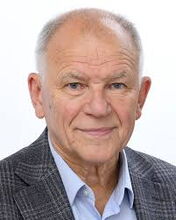
Vytenis Povilas Andriukaitis
MEP, Lithuania
Vytenis Povilas Andriukaitis is a Lithuanian physician and politician of the Social Democratic Party serving as a member of the European Parliament since 2024. A heart surgeon by profession, he previously served as European Commissioner for Health and Food Safety in the Juncker Commission from 2014 to 2019. Andriukaitis was a co-signatory to the 1990 Act of the Re-Establishment of the State of Lithuania.